
In the realm of industrial fluid dynamics, hydraulic systems, and pressure vessel manufacturing, precision is not a luxury; it is an absolute necessity. Achieving a leak-free seal in piping systems requires a deep understanding of thread geometry, specifically when machining standardized connections. One of the most common and frequently misunderstood dimensions in machining is the 3/8 pipe thread tap size. Unlike standard machine screws, pipe threads operate on nominal sizing, meaning the physical dimensions of the tap and the hole differ significantly from the fraction stated in its name.
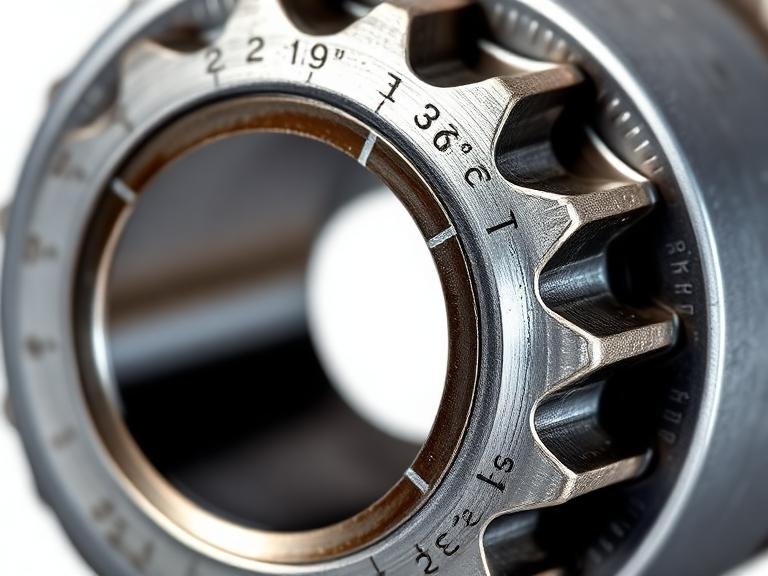
Since our founding in 2005, MisolTap has established itself as a leading Chinese manufacturer of high-performance thread cutting tools. We integrate R&D, production, and global sales into a seamless operation, providing our clients with robust and precise threading solutions tailored to modern manufacturing needs. From our experience on the factory floor and in the engineering lab, mastering the 3/8 pipe thread tap size is critical to minimizing tool breakage, preventing thread tearing, and ensuring pressure-tight seals. This comprehensive guide will dissect the specifications, preparation methods, and tooling choices required to flawlessly execute the 3/8 pipe thread tap size in various industrial materials.
Table of Contents
- 1. Understanding the Fundamentals of the 3/8 Pipe Thread Tap Size
- 2. NPT vs. BSPT: Navigating Global Standards
- 3. Proper Drill Bit Selection for the 3/8 Pipe Thread Tap Size
- 4. MisolTap Solutions for High-Performance Machining
- 5. Expert Machining Tips and Best Practices
- 6. Summary Table: 3/8 Pipe Thread Tap Size Specifications
- 7. Frequently Asked Questions (FAQs)
- 8. Industry References
1. Understanding the Fundamentals of the 3/8 Pipe Thread Tap Size
The most common error novice machinists and engineers make when encountering a 3/8 pipe thread tap size is assuming the outer diameter of the thread is 0.375 inches. In pipe threading, dimensions are nominal. They refer loosely to the inside diameter of the pipe that the thread is intended for, which historically accommodated a specific volume of fluid transfer. The actual major diameter of a 3/8 pipe thread is approximately 0.675 inches (17.145 mm).
We recommend always consulting standard machining handbooks rather than relying on fractional math when dealing with pipe threads. The 3/8 pipe thread tap size requires a significantly larger hole than a standard 3/8-16 UNC bolt. Furthermore, pipe threads are generally tapered. This taper—typically 3/4 inch per foot—allows the male and female threads to wedge together, forming a mechanical seal that is often supplemented by Teflon tape or thread sealant compound. Understanding this taper is critical because it dictates how deep the tap must be driven to achieve the correct pitch diameter at the gauge line.
2. NPT vs. BSPT: Navigating Global Standards
When specifying a 3/8 pipe thread tap size, you must first identify the governing standard. The two dominant global standards are the American National Standard Pipe Thread (NPT) and the British Standard Pipe Taper (BSPT). While they serve the same functional purpose, they are dimensionally and geometrically distinct, and they are absolutely not interchangeable.
The 3/8 NPT Specification
In North America, the 3/8-18 NPT is the standard. This designation indicates a nominal size of 3/8 inch with 18 threads per inch. The thread angle for NPT is 60 degrees, with flattened peaks and valleys. From our experience, attempting to force an NPT fitting into a BSPT hole will result in spiral leakage, as the thread angles and pitch will not align perfectly, causing galling and eventual failure under pressure.
The 3/8 BSPT Specification
Widely used in Europe, Asia, and throughout the Commonwealth, the 3/8-19 BSPT (often designated as R 3/8) features 19 threads per inch. The thread angle is 55 degrees, with rounded peaks and valleys based on the Whitworth thread form. Because MisolTap serves a global market, we manufacture cutting tools to accommodate both standards flawlessly, ensuring that regardless of your geographical location, your 3/8 pipe thread tap size requirements are met with absolute precision.
3. Proper Drill Bit Selection for the 3/8 Pipe Thread Tap Size
The success of tapping a pipe thread is heavily reliant on the pre-drilled hole. If the hole is too small, the tap will bind, leading to catastrophic tool breakage. If the hole is too large, the thread crests will be truncated, resulting in a weak joint incapable of holding pressure. Determining the correct tap drill for the 3/8 pipe thread tap size requires careful consideration of the material being machined and whether a pipe reamer will be used.
For the 3/8-18 NPT standard, we recommend a 37/64 inch (14.68 mm) drill bit if you are tapping directly into the drilled hole without a taper reamer. However, from our experience in high-volume production, using a taper reamer prior to tapping drastically extends tap life and improves thread quality. If you are utilizing a taper reamer, the initial drill size should be 9/16 inch (14.28 mm). The reamer will then shape the hole to match the taper of the tap, reducing the cutting load on the tap’s chamfer.
For the 3/8-19 BSPT standard, the standard tap drill size is 15.00 mm (or 19/32 inch). Again, precision is paramount. We recommend utilizing rigid carbide drills to prevent hole wandering, ensuring the 3/8 pipe thread tap size enters perfectly perpendicular to the workpiece face.
4. MisolTap Solutions for High-Performance Machining
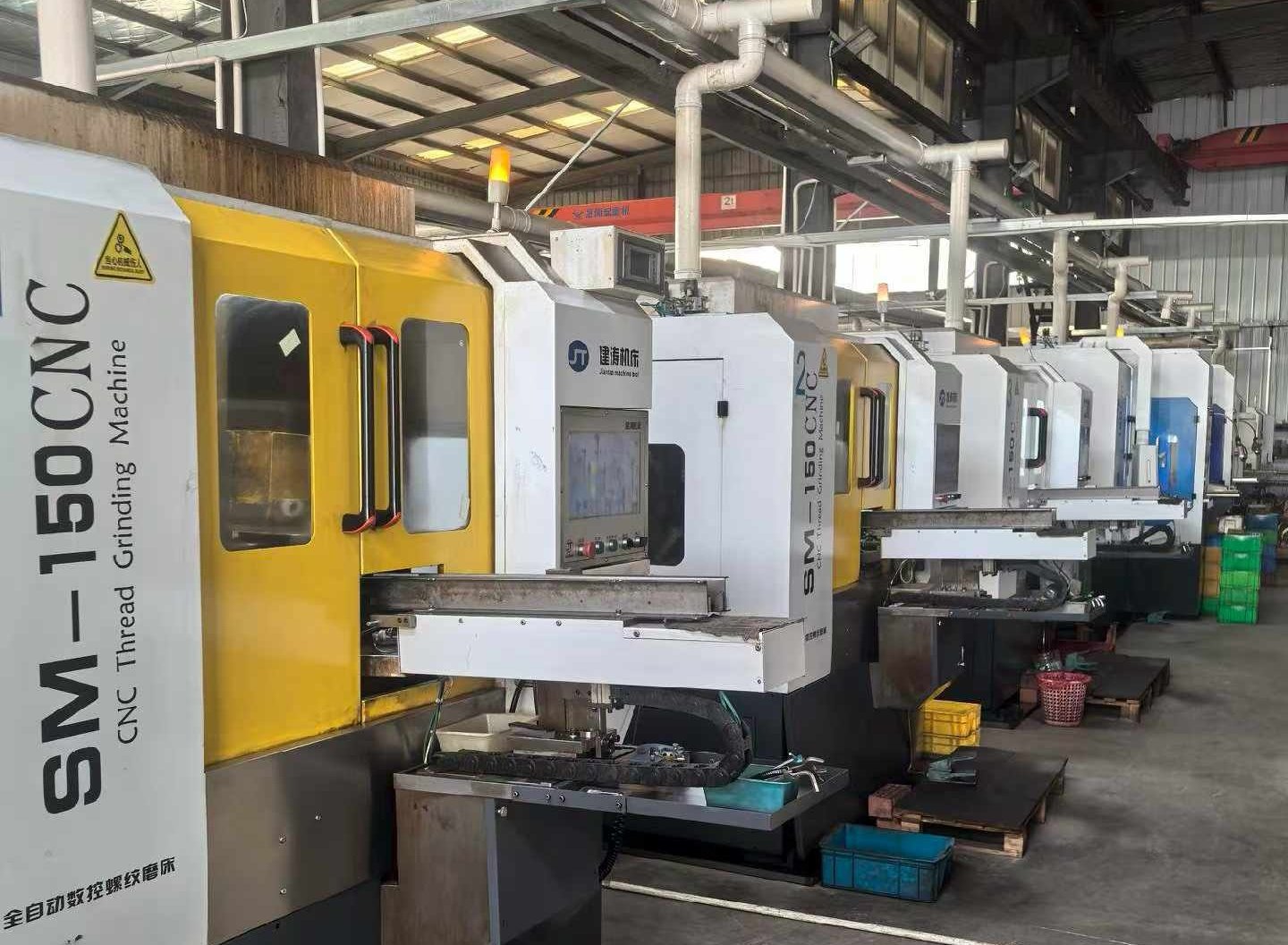
Choosing the correct tool geometry is vital for efficient chip evacuation and clean thread cutting. At MisolTap, we have engineered a diverse catalog of threading tools to meet strict international standards. Depending on your CNC machinery and specific material applications, we supply the exact 3/8 pipe thread tap size configuration you need.
Our I0S-529 Thread Tap series is designed for general-purpose tapping across a wide range of ferrous and non-ferrous metals, providing excellent wear resistance and stable chip control. For manufacturers utilizing rigid tapping cycles in modern CNC machining centers, our DIN371 Thread Tap features a reinforced shank, offering superior rigidity and preventing deflection during heavy cuts. Additionally, we cater to the Asian manufacturing sector with our JIS Thread Tap series, engineered strictly to Japanese Industrial Standards for seamless integration into existing production lines.
5. Expert Machining Tips and Best Practices
Executing the perfect 3/8 pipe thread tap size goes beyond selecting the right drill and tap. Environmental factors at the spindle play a massive role in the final outcome. From our experience, we have identified several best practices that operators should strictly adhere to.
Lubrication is Non-Negotiable
Pipe tapping engages multiple teeth simultaneously along the taper, generating immense friction and heat. We recommend using a high-quality, sulfur-based cutting oil rather than standard water-soluble coolant when tapping tough materials like 304 or 316 stainless steel. The extreme pressure additives in cutting oil prevent micro-welding between the tap and the workpiece, ensuring a smooth finish on the thread flanks.
Controlling Tap Depth
Because the 3/8 pipe thread tap size is tapered, depth control determines the final diameter at the opening. If tapped too deeply, the male fitting will bottom out before engaging the taper, ruining the seal. We recommend using a thread plug gauge (L1 gauge) to verify depth. In CNC applications, program the Z-axis depth conservatively on the first run, gauge the thread, and adjust your offset accordingly.
Peck Tapping for Deep Holes
When tapping blind holes or deep through-holes, chip packing can cause the tap to snap. We recommend utilizing a peck tapping cycle. Backing the tap out periodically breaks the chips and allows fresh cutting fluid to reach the cutting edges. This is especially important when utilizing our JIS Thread Tap in stringy materials like low-carbon steel or aluminum.
6. Summary Table: 3/8 Pipe Thread Tap Size Specifications
To assist your engineering and machining departments, we have consolidated the essential data for the 3/8 pipe thread tap size into a quick-reference table below.
| Specification | 3/8 – 18 NPT | 3/8 – 19 BSPT (R 3/8) |
|---|---|---|
| Standard | American National Standard Pipe Taper | British Standard Pipe Taper |
| Threads Per Inch (TPI) | 18 | 19 |
| Thread Angle | 60 Degrees | 55 Degrees |
| Major Diameter | 0.675 inches (17.145 mm) | 0.656 inches (16.662 mm) |
| Tap Drill Size (No Reamer) | 37/64 inch (14.68 mm) | 15.00 mm (19/32 inch) |
| Tap Drill Size (With Reamer) | 9/16 inch (14.28 mm) | 14.75 mm |
| Recommended Tooling | MisolTap I0S-529 / DIN371 | MisolTap JIS Thread Tap / DIN371 |
7. Frequently Asked Questions (FAQs)
What is the difference between NPT and NPTF for a 3/8 pipe thread tap size?
While both have 18 threads per inch and a 60-degree angle, NPTF (Dryseal) threads are designed to crush together at the roots and crests to create a mechanical seal without the need for Teflon tape or pipe dope. A standard 3/8 pipe thread tap size in NPT requires a sealant to prevent fluid bypass through the root-crest clearance.
Can I use a 3/8-16 UNC tap drill for a 3/8 pipe thread tap size?
Absolutely not. A 3/8-16 standard machine tap requires a 5/16 inch drill. A 3/8 pipe thread tap size requires a much larger hole (37/64 inch) because the nominal “3/8” refers to pipe inner diameter flow capacity, not the physical outer dimension of the thread.
Why does my tap keep breaking when cutting a 3/8 pipe thread tap size?
From our experience, tap breakage is usually caused by three factors: drilling the hole too small, inadequate lubrication, or failure to clear chips in deep holes. We recommend verifying your drill diameter with calipers, switching to a heavy-duty cutting oil, and implementing a peck tapping cycle.
Which standard should I choose between DIN371 and JIS for my facility?
Your choice depends on your machine tool’s collet and holder specifications. The DIN371 Thread Tap has a thicker, reinforced shank ideal for heavy torque applications, while the JIS Thread Tap features specific shank and square drive dimensions tailored for Japanese-built CNC equipment.
8. Industry References
To ensure total compliance and accuracy in your manufacturing processes regarding the 3/8 pipe thread tap size, we recommend consulting the following authoritative engineering standards: