
Let us confront a brutal reality in modern manufacturing: relying on cheap, generic hardware-store cutting tools to machine high-value components is professional sabotage. Every day, machinists shatter tools inside expensive aerospace billets simply because they failed to respect the metallurgical differences between base materials. When you are tasked with machining precision threads, applying a generic approach is a guaranteed path to broken tools, scrapped parts, and catastrophic production delays. You must understand that choosing a thread tap for stainless steel vs. aluminum is not a matter of brand preference; it is a matter of strict tool geometry, coating science, and sheer physics.
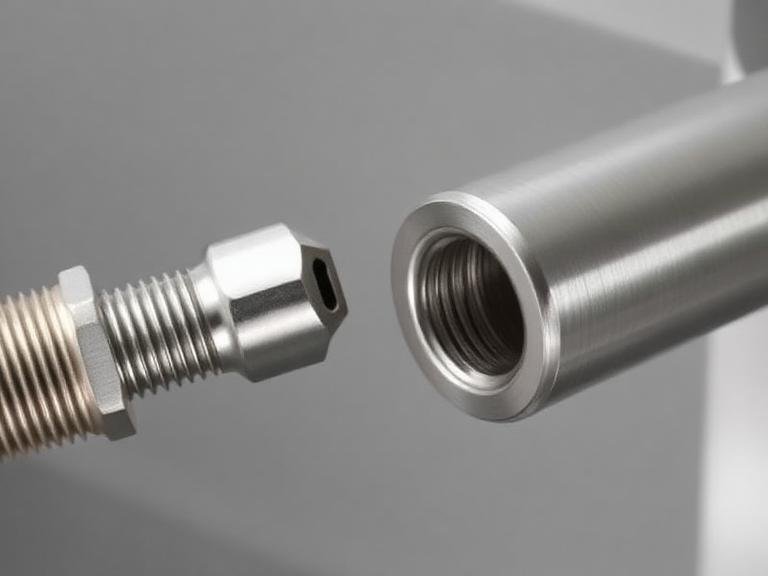
From our experience on the production floor, stainless steel and aluminum exist on completely opposite ends of the machinability spectrum. Stainless steel is notorious for its severe work-hardening properties, tearing the cutting edges off inferior tools. Conversely, aluminum is gummy, melts at low temperatures, and actively tries to weld itself to your tool’s flutes. You cannot use the same cutting geometry for both and expect professional, in-tolerance results. To achieve absolute precision, you must specify the exact tool engineered for the specific material.
In this uncompromising guide, we will dissect the mechanical demands of these two distinct metals. We will explain why your current tooling might be failing, and provide you with the exact technical specifications required to select the correct thread tap for stainless steel vs. aluminum. We will not offer neutral suggestions; we will tell you exactly what works.
Table of Contents
- 1. The Metallurgy: Why Generic Taps Fail
- 2. Engineering a Thread Tap for Stainless Steel
- 3. Engineering a Thread Tap for Aluminum
- 4. The MisolTap Manufacturing Standard
- 5. Blind Holes vs. Through Holes
- 6. Lubrication and Machining Parameters
- 7. Summary Comparison Table
- 8. Frequently Asked Questions (FAQs)
- 9. Expert References
1. The Metallurgy: Why Generic Taps Fail
To understand the core differences between a thread tap for stainless steel vs. aluminum, you must first respect the metallurgy of the workpiece.
Stainless steel (such as 304 and 316 grades) possesses high tensile strength and high ductility. However, its most lethal characteristic is work hardening. The moment a cutting tool rubs against stainless steel without actively cutting beneath the surface, the metal instantaneously hardens, creating a localized crust that is vastly harder than the base material. If your tap has a dull edge or inappropriate relief angles, it will rub rather than shear. The next cutting tooth will strike this hardened crust and shatter. This is the primary cause of tap breakage in stainless applications.
Aluminum alloys (such as 6061 and 7075) present an entirely different threat. Aluminum does not work harden severely, nor does it typically break your tools through sheer force. Instead, it is highly ductile and features a relatively low melting point. The friction generated during the tapping process heats the aluminum, causing it to become sticky. The material will smear and adhere to the cutting edges of the tap—a phenomenon known as Built-Up Edge (BUE). Once the flutes pack with welded aluminum chips, the tap binds in the hole and snaps under torsional load.
2. Engineering a Thread Tap for Stainless Steel
When selecting a thread tap for stainless steel vs. aluminum, the stainless option must prioritize extreme wear resistance, edge strength, and aggressive chip shearing.
Substrate Material
Standard High-Speed Steel (HSS) is completely inadequate for production-level stainless steel tapping. We unequivocally recommend taps manufactured from HSSE (High-Speed Steel alloyed with Cobalt) or HSSE-V (Vanadium alloyed). For ultra-high production, Powdered Metal HSS (PM-HSS) is the gold standard. To understand the profound impact of the substrate, review our guide on the best material for thread taps. PM-HSS offers a micro-grain structure that prevents micro-chipping on the cutting edge, which is vital when shearing tough stainless alloys.
Tool Geometry
A tap designed for stainless steel must have a specific rake angle (typically 10 to 15 degrees) combined with high eccentric relief. This sharp cutting angle ensures the tool aggressively bites into the material, preventing the rubbing action that causes work hardening. Furthermore, the core web of the tap must be exceptionally thick to withstand the massive torque required to drive the tool through high-tensile steel.
Coatings
Do not use bright (uncoated) taps on stainless steel. You must utilize hard surface coatings to create a thermal barrier and increase lubricity. Titanium Carbonitride (TiCN) or Titanium Aluminum Nitride (TiAlN) are mandatory. These coatings handle the extreme heat generated at the cutting zone and prevent the tap from wearing prematurely.
3. Engineering a Thread Tap for Aluminum
The engineering philosophy flips entirely when addressing aluminum. Here, the goal is not brute force, but rather rapid chip evacuation and friction reduction.
The Argument for Form Taps (Roll Taps)
From our experience, the absolute best thread tap for aluminum is often not a cutting tap at all, but a thread forming tap. Because aluminum is highly ductile, a form tap cold-works the metal, pushing it into the shape of the thread without creating a single chip. This completely eliminates the risk of flute clogging and BUE. Formed threads in aluminum are also physically stronger due to the unbroken grain structure of the displaced metal. When operating in high-volume CNC environments, thread forming is vastly superior to thread cutting for soft alloys.
Cutting Tap Geometry for Aluminum
If you must use a cutting tap (e.g., for cast aluminum with high silicon content, which is too brittle to form), the geometry must feature polished, wide flutes. You need a high helix angle (up to 45 degrees) for blind holes to violently eject the stringy aluminum chips upward and out of the hole. If you are comparing a plug tap vs thread tap for deep aluminum holes, always ensure the flute design allows for massive chip clearance.
Coatings
Do not use TiAlN coatings on aluminum. Aluminum has a chemical affinity for Titanium and will actually weld to a Titanium-based coating faster than it will to bare steel. Instead, use Bright (highly polished uncoated) taps, or advanced coatings like Titanium Diboride (TiB2) or Zirconium Nitride (ZrN). These specialized coatings provide a slick, non-stick surface that actively repels gummy aluminum chips.
4. The MisolTap Manufacturing Standard
Sourcing these highly engineered tools requires a manufacturing partner that understands the rigorous demands of modern metallurgy. You cannot rely on generic suppliers; you need specialized thread tap manufacturers who control the entire production ecosystem.

Since our founding in 2005, MisolTap has established itself as a leading Chinese manufacturer of high-performance thread cutting tools. We integrate R&D, production, and global sales into a seamless operation, providing our clients with robust and precise threading solutions tailored to modern manufacturing needs.
We do not produce “one-size-fits-all” tooling. Whether you require a specialized TiCN-coated HSSE-V tap for a 316 stainless aerospace manifold, or a highly polished ZrN-coated forming tap for a 6061 aluminum automotive billet, MisolTap engineers the specific micro-geometry required to prevent tool failure and maximize thread quality. For specialized extraction or repair situations, our heavy duty tap and drill kits provide the same uncompromising industrial grade performance.
5. Blind Holes vs. Through Holes
The type of hole you are tapping heavily dictates your tool selection, regardless of whether you are machining stainless or aluminum. To ensure you are utilizing your tools correctly, we suggest reviewing the fundamental mechanics of how to use a thread tap safely in industrial settings.
- Through Holes: Always use a Spiral Point (Gun Nose) tap. This geometry pushes the chips forward, ahead of the tap, allowing them to fall out the bottom of the hole. This is excellent for both stainless and aluminum, as it keeps the flutes clear of debris.
- Blind Holes: You must use a Spiral Flute tap. The spiral flutes act like an auger, pulling the chips up and out of the hole to prevent packing at the bottom. For stainless, a 15-degree spiral is usually sufficient to clear the broken chips. For aluminum, you need a severe 40 to 45-degree spiral to evacuate the long, stringy, continuous chips.
If you are simply repairing damaged threads rather than cutting new ones, do not use a standard cutting tap, as it will cross-thread and destroy the existing material. You must utilize dedicated rethreading taps and dies to clean and restore the pitch.
6. Lubrication and Machining Parameters
The best thread tap for stainless steel vs. aluminum will still fail instantly if paired with the wrong cutting fluid. Lubrication acts as the critical barrier between the tool and the workpiece.
Stainless Steel Lubrication: Heat and extreme pressure are the enemies here. You must use a heavy, highly chlorinated or sulfurized cutting oil (tapping fluid). This fluid is designed to withstand extreme pressure, maintaining a slick boundary layer that prevents the stainless steel from work hardening and galling against the cutting edge. Do not use generic WD-40 or water-based coolants when hand-tapping stainless; they lack the extreme pressure (EP) additives required.
Aluminum Lubrication: Aluminum machining is all about preventing built-up edge and flushing chips. Heavy, sulfurized oils are unnecessary and simply make a sticky mess. We recommend using a high-quality water-soluble coolant (emulsion) running at a high concentration, or specialized light tapping fluids designed for non-ferrous metals. For rapid CNC tapping, a Minimum Quantity Lubrication (MQL) mist system works phenomenally well to keep the tap cool and repel the gummy chips.
In highly specific aerospace applications requiring left-handed threading, the lubrication rules remain identical, though the spindle rotation reverses. Ensure you specify correct reverse thread taps with the identical material-specific coatings mentioned above.
7. Summary Comparison Table
To provide a clear, uncompromising operational matrix, we have condensed the engineering parameters required to specify a thread tap for stainless steel vs. aluminum.
| Engineering Parameter | Tapping Stainless Steel (304/316) | Tapping Aluminum (6061/7075) |
|---|---|---|
| Base Material (Substrate) | HSSE-V (Vanadium) or PM-HSS | HSS or HSSE |
| Optimal Coating | TiCN or TiAlN (High heat resistance) | Bright (Uncoated), TiB2, or ZrN (Non-stick) |
| Preferred Tap Type (Blind Hole) | 15° to 20° Spiral Flute Cutting Tap | Forming Tap (Roll Tap) or 45° Spiral Flute |
| Flute Finish | Standard ground | Highly polished to prevent BUE |
| Cutting Fluid | Heavy sulfurized/chlorinated dark cutting oil | Light fluid, water-soluble emulsion, or MQL mist |
| Primary Failure Mode | Tool shattering due to work hardening | Tool snapping due to flute packing and BUE |
8. Frequently Asked Questions (FAQs)
Why did my titanium-coated tap clog up and break in aluminum?
From our experience, this is the most common error made by novice machinists. Standard Titanium Nitride (TiN) or Titanium Aluminum Nitride (TiAlN) coatings have a chemical affinity with aluminum. Under cutting friction and heat, the aluminum literally welds itself to the titanium coating, instantly packing the flutes and causing catastrophic failure. You must use Bright, TiB2, or ZrN coated taps for aluminum.
Can I use a thread forming tap on stainless steel?
While it is mechanically possible to form threads in softer grades of stainless steel (like annealed 304), we generally do not recommend it for high-volume production without extreme spindle horsepower and massive torque control. Stainless steel requires enormous pressure to cold-form, severely drastically reducing tool life compared to high-performance cutting taps. Forming taps are exponentially more successful in ductile metals like aluminum and brass.
How do I prevent stainless steel from work hardening while tapping?
You must maintain steady, continuous cutting pressure. Do not let the tap “dwell” or rub without cutting. Ensure your tap has a sharp cutting edge and aggressive relief angles. Use a premium, heavy cutting oil, and if you are pecking (reversing the tap to break chips), ensure you aggressively break the chip and immediately re-engage the cut. Hesitation generates friction, friction generates heat, and heat generates work hardening.
9. Expert References
To ensure your machining protocols align with verified industrial standards, we strongly advise consulting the following engineering resources:
- National Institute of Standards and Technology (NIST): Academic papers on the metallurgical behaviors of hard alloys and the impact of tool coatings during high-stress machining.
- Modern Machine Shop: Authoritative industry testing and analysis regarding thread forming vs. thread cutting in non-ferrous metals.
- Cutting Tool Engineering: In-depth technical articles dissecting built-up edge (BUE) mitigation and proper cutting fluid selection for aerospace materials.