
At MisolTap, we frequently encounter questions from machining professionals, mechanical engineers, and procurement specialists regarding specialized threading tools. Among the most critical and common inquiries we receive involves pipe threading, specifically asking: what is the NPT thread tap? Since our founding in 2005, MisolTap has established itself as a leading Chinese manufacturer of high-performance thread cutting tools. We integrate R&D, production, and global sales into a seamless operation, providing our clients with robust and precise threading solutions tailored to modern manufacturing needs. From our experience, mastering the application of the NPT thread tap is critical for any operation manufacturing fluid-handling components, pressure vessels, pneumatic fittings, or complex plumbing fixtures.
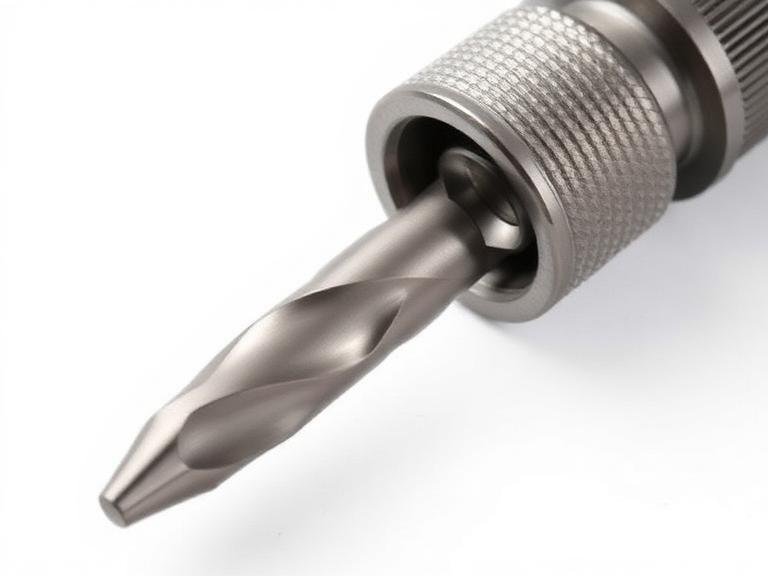
In this authoritative guide, we will dissect the engineering principles behind the NPT thread tap, explain its unique tapered geometry, compare it with other threading standards, and share practical machining advice to help you achieve flawless, leak-proof connections. Whether you are setting up a CNC machining center for high-volume production or threading a single custom prototype, understanding the mechanics of the NPT thread tap is vital to your operational success.
Table of Contents
- 1. The Anatomy of an NPT Thread Tap
- 2. Selecting the Right NPT Thread Tap for Your Application
- 3. Machining Best Practices with an NPT Thread Tap
- 4. Troubleshooting Common NPT Thread Tap Issues
- 5. NPT vs NPTF: Understanding the Crucial Difference
- 6. MisolTap’s Comprehensive Threading Solutions
- 7. Summary Table: NPT Thread Specifications
- 8. Frequently Asked Questions (FAQs)
- 9. References and Industry Standards
1. The Anatomy of an NPT Thread Tap
To fully grasp what an NPT thread tap is, one must first understand the acronym. NPT stands for National Pipe Tapered, a widely adopted U.S. standard for tapered threads used on threaded pipes and fittings. An NPT thread tap is the specific cutting tool designed to machine these internal tapered threads into a pre-drilled hole. Unlike straight threads (such as standard metric or UNC threads) that maintain a consistent diameter throughout their entire length, the NPT thread tap features a distinct taper profile. The standard taper rate for an NPT thread tap is 1 in 16, meaning the diameter of the thread increases by three-quarters of an inch for every foot of length.
When you physically examine an NPT thread tap, you will notice the thread angle is precisely 60 degrees, and the crests and roots of the threads are truncated (flattened). From our experience, this specific geometric design is exactly what allows the male and female threads to pull together tightly. As a threaded fitting is driven into a hole machined by an NPT thread tap, the taper forces the flanks of the threads to wedge against each other, creating a mechanical interference fit. However, we recommend noting a crucial detail: an NPT thread tap alone does not create a completely fluid-tight seal. The clearance between the truncated crests and roots provides a microscopic spiral leak path. Therefore, internal threads cut by an NPT thread tap strictly require a sealant, such as PTFE (Teflon) tape or chemical pipe dope, to fill this void and prevent fluid or gas from escaping under pressure.
2. Selecting the Right NPT Thread Tap for Your Application
Choosing the correct NPT thread tap for your specific manufacturing application requires a thorough understanding of the material being machined and the required production volume. At MisolTap, we recommend selecting an NPT thread tap manufactured from premium High-Speed Steel (HSS) or High-Speed Steel containing Cobalt (HSSE) for enhanced heat resistance and long-term durability. The flute design of the NPT thread tap also plays a monumental role in chip evacuation and thread quality.
For through-holes or materials that produce short, brittle chips (such as cast iron or brass), a straight flute NPT thread tap is typically sufficient. However, for blind holes or materials that generate long, stringy chips (such as 304 stainless steel or low-carbon steel), we heavily recommend a spiral flute NPT thread tap. The spiral flutes act like an auger, pulling the chips up and out of the hole, thereby preventing chip packing that frequently leads to tap breakage or galled threads. Our advanced production capabilities ensure that every NPT thread tap we manufacture undergoes rigorous quality control to meet exact dimensional tolerances. The relief angle, cutting edge geometry, and specialized surface coatings (such as Titanium Nitride or Titanium Carbonitride) applied to a MisolTap NPT thread tap significantly extend tool life and reduce cutting friction, which is vital when dealing with the exceptionally high torque demands of tapered pipe threading.
3. Machining Best Practices with an NPT Thread Tap
Using an NPT thread tap requires entirely different machining techniques compared to standard straight thread tapping. From our experience, the most common cause of catastrophic tool failure when using an NPT thread tap is improper hole preparation. Because the NPT thread tap must cut progressively more material as it goes deeper due to its tapered geometry, the cutting forces increase exponentially as the tap descends. We recommend using a taper pipe reamer after drilling the initial hole and before engaging the NPT thread tap. Reaming creates a pre-tapered hole that exactly matches the profile of the NPT thread tap, distributing the cutting load evenly across all the cutting teeth rather than forcing the leading edge of the tap to do all the heavy material removal.
Furthermore, superior lubrication is absolutely critical. We recommend applying a high-quality, extreme-pressure tapping fluid specifically formulated for the alloy you are cutting. Tapered tapping generates severe friction, and inadequate lubrication will cause the NPT thread tap to tear the thread flanks or micro-weld to the material, resulting in a rejected part. Peck tapping is another programming technique we strongly advise when running an NPT thread tap in tough materials on a CNC machine. By advancing the NPT thread tap a fraction of a turn and then reversing it slightly, you break the continuous chips and relieve built-up torque, drastically reducing the risk of snapping the tool inside the workpiece.
Depth control is the final critical component of the tapping process. If you drive an NPT thread tap too deep into the workpiece, the resulting internal thread will have a pitch diameter that is too large, causing the mating male fitting to bottom out before achieving a proper wedging action. We recommend using a mechanical depth stop or precisely programming your Z-axis depth, and always verifying the final thread depth with a certified NPT thread plug gauge.
4. Troubleshooting Common NPT Thread Tap Issues
Even with the highest quality NPT thread tap, CNC programmers and manual machinists can occasionally run into production issues. From our experience, troubleshooting an NPT thread tap requires a logical, systematic approach. If you are experiencing oversized threads that fail the plug gauge test, the most common culprit is a mismatch between the machine’s feed rate and the spindle speed. Because an NPT thread tap has a taper, any axial tension or compression during the cutting cycle can cause the tap to shave the flanks of the thread, increasing the pitch diameter. We recommend using a tension-compression tapping collet or utilizing rigid tapping cycles with precise encoder synchronization to mitigate this issue entirely.
If you are experiencing premature wear or chipping on the cutting edges of your NPT thread tap, you must evaluate your cutting speed. Taper pipe taps engage significantly more cutting teeth simultaneously than standard straight taps. This increased contact area means cutting speeds must generally be reduced by 25% to 40% compared to standard metric or UNC tapping parameters. Furthermore, if the threads appear torn, ripped, or cloudy, this is almost always an indication of chip packing or insufficient coolant concentration. Elevating the high-pressure coolant and ensuring it is directed straight into the flutes can dramatically improve the surface finish produced by an NPT thread tap.
5. NPT vs NPTF: Understanding the Crucial Difference
A frequent point of confusion in the pipe threading industry is the distinction between an NPT thread tap and an NPTF thread tap. While they appear almost identical to the naked eye and share the same 60-degree thread angle and 1-in-16 taper rate, their fundamental sealing mechanics differ significantly. NPTF stands for National Pipe Taper Fuel (often referred to as Dryseal). An NPTF tap is designed to cut threads with sharp crests and roots. When an NPTF male fitting is mated with an NPTF female thread, the sharp crests physically crush into the opposing roots, creating a mechanical metal-to-metal seal without the need for Teflon tape or pipe dope.
An NPT thread tap, as previously discussed, creates flattened crests and roots that intentionally leave a clearance path, explicitly requiring a chemical sealant to be fluid-tight. From our experience, you must never interchange these tools on the shop floor. If your engineering drawing specifies a dryseal high-pressure connection, utilizing a standard NPT thread tap will inevitably result in a disastrous leak in the field. Always verify the exact standard required on the blueprint before selecting your tooling from the tool crib.
6. MisolTap’s Comprehensive Threading Solutions
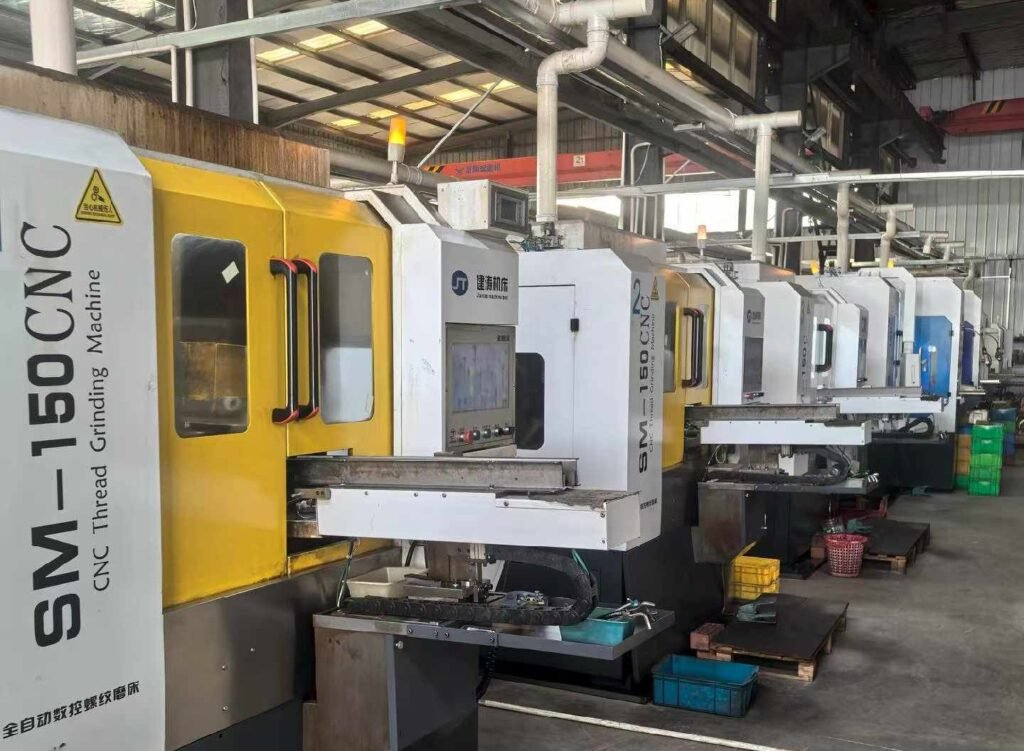
While understanding the complexities of the NPT thread tap is crucial for fluid power, automotive, and plumbing applications, modern manufacturing facilities require a diverse arsenal of threading tools to handle complex assemblies. Since 2005, MisolTap has provided our global clients with robust and precise threading solutions tailored to exact international standards. Our deep integration of R&D, production, and global sales allows us to maintain strict quality control across our entire tool portfolio, ensuring that every tap performs flawlessly out of the box.
Beyond our expertise in manufacturing the NPT thread tap, we excel in producing metric and straight thread taps for structural components. For operations adhering to ISO manufacturing standards, our I0S-529 Thread Tap offers exceptional precision for general-purpose and high-tolerance machining. European manufacturers heavily rely on our DIN371 Thread Tap, renowned for its reinforced shank that provides unparalleled rigidity and stability during high-speed CNC tapping operations, preventing tap deflection. For our clients operating in the Asian market or utilizing Japanese machinery, the JIS Thread Tap delivers the exact tolerances and geometries required for those specific dimensional standards. We recommend partnering with a primary manufacturer like MisolTap that can supply not only your critical NPT thread tap needs but also your entire straight-thread tooling inventory, ensuring consistent quality, tool life, and performance across your entire shop floor.
7. Summary Table: NPT Thread Specifications
To assist your engineering and machining teams, we have compiled a quick-reference summary table outlining the defining characteristics of threads produced by an NPT thread tap.
| Specification Category | NPT Thread Tap Standard Detail |
|---|---|
| Standard Name | National Pipe Taper (ANSI/ASME B1.20.1) |
| Thread Angle | 60 Degrees |
| Taper Rate | 1 in 16 (3/4 inch per foot) |
| Thread Profile | Truncated (flattened) crests and roots |
| Sealing Method | Requires sealant (PTFE tape or pipe dope) |
| Primary Application | Low pressure fluid and gas pipe fittings |
| Recommended Preparation | Drill hole, then use a taper pipe reamer before tapping |
8. Frequently Asked Questions (FAQs)
9. References and Industry Standards
- ASME B1.20.1 – Pipe Threads, General Purpose, Inch. This is the authoritative standard defining the geometry and tolerances for threads produced by an NPT thread tap.
- Machinery’s Handbook – Guidelines for Pipe Tapping, Reaming, and Thread Gauging.