
We see it happen on shop floors across the globe every single day: a machinist grabs the wrong threading tool for a blind hole, applies too much torque, and instantly snaps an expensive cutting tool off inside a near-finished workpiece. It is a costly, frustrating mistake that is entirely preventable. The root cause of this failure almost always comes down to a lack of understanding regarding when to use each taps type. At MisolTap, we believe that mastering thread cutting is not just about having sharp tools; it is about having the precise knowledge of tool selection, chamfer angles, and chip evacuation.
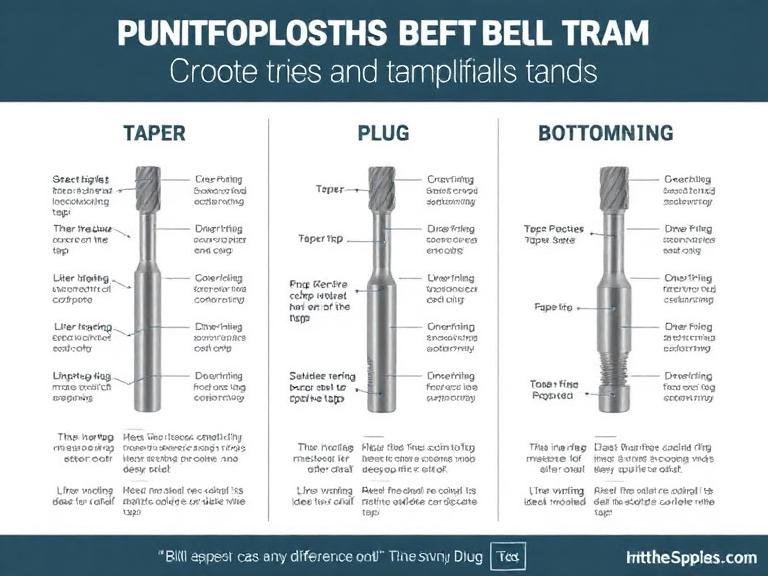
The machining world is full of complex variables, from spindle speeds to coolant concentrations, but determining when to use each taps type is a fundamental, non-negotiable skill. Whether you are running a state-of-the-art CNC mill or hand-tapping a custom fixture on a workbench, your choice between a taper tap, a plug tap, and a bottoming tap will dictate the success of your internal threads. In this comprehensive, expert-led guide, we are going to break down exactly when to use each taps type to maximize your manufacturing efficiency, extend your tool life, and eliminate scrapped parts.
Table of Contents
- Understanding Chamfers and Tool Anatomy
- Taper Taps: The Gentle Starter
- Plug Taps: The Industry Workhorse
- Bottoming Taps: The Flawless Finisher
- Summary Table: When to Use Each Taps Type
- Advanced Machining Strategies and Material Selection
- The MisolTap Manufacturing Difference
- Frequently Asked Questions
- Industry References
Understanding Chamfers and Tool Anatomy
Before you can fully grasp when to use each taps type, you must understand the anatomy of a cutting tap, specifically the chamfer. The chamfer is the tapered portion at the very front of the tap where the cutting edges are ground down at an angle. The purpose of the chamfer is to distribute the cutting action over multiple teeth. If a tap had no chamfer, the very first tooth would be forced to cut the entire depth of the thread in a single pass, which requires massive torque and practically guarantees tool breakage.
From our experience, the number of chamfered threads is the defining characteristic that dictates when to use each taps type. A longer chamfer means the cutting force is distributed over a larger surface area, reducing the torque required to turn the tool. A shorter chamfer concentrates the cutting force but allows the tool to cut full threads deeper into a blind hole. Selecting the right chamfer length is the very essence of understanding when to use each taps type. We always advise machinists to inspect the chamfer length carefully before bringing the tool anywhere near the workpiece.
Taper Taps: The Gentle Starter
The taper tap features the longest chamfer of the three standard profiles, typically spanning between 8 to 10 threads. Because the cutting action is spread out so gradually across these numerous teeth, a taper tap requires the least amount of torque to drive into a pre-drilled hole. This gradual engagement is critical to know when considering when to use each taps type.
So, when exactly should you reach for a taper tap? We recommend using a taper tap when you are starting a thread by hand. The long, pronounced taper naturally centers the tap in the hole, making it vastly easier to start the thread perfectly straight and square to the workpiece surface. If you attempt to start a hand-tapped hole with a tool that lacks this gentle entry, you run a high risk of cross-threading or entering at a crooked angle.
Furthermore, understanding when to use each taps type means recognizing material properties. When tapping extremely tough, high-tensile materials, the taper tap is your best friend. By taking a smaller “bite” of the material with each passing tooth, it reduces the strain on the tool. For instance, if you are working with hardened steel alloys or tough aerospace materials, you should consult our guide on the best material for thread taps to ensure your taper tap is manufactured from high-grade cobalt or powdered metal HSS. For through-holes in thick plates, a taper tap can be run completely through the part, providing excellent thread quality with minimal stress.
Plug Taps: The Industry Workhorse
If you walk onto any production floor and look at the tool carousel of a CNC machine, you will primarily see plug taps. Featuring a chamfer of 3 to 5 threads, the plug tap strikes the perfect balance between starting ease and threading depth. Knowing when to use each taps type often means defaulting to a plug tap for standard production runs.
The plug tap is the ultimate general-purpose tool. From our perspective, if you only have the budget to stock one type of tap, it should be the plug tap. It cuts aggressively enough to get the job done quickly but retains enough of a chamfer to spread out the cutting load and start accurately in rigid machine setups. When deciding when to use each taps type, remember that plug taps are ideal for through-holes where the tap can exit the bottom of the part, pushing chips out cleanly.
They are also used heavily in blind holes where there is sufficient clearance at the bottom of the hole. As long as your drill depth is deep enough to accommodate the 3 to 5 unthreaded chamfer teeth at the bottom, a plug tap will produce brilliant results. For production environments, securing high-quality plug tools from top thread tap manufacturers is crucial to maintaining tight tolerances. Additionally, if you are stepping up to larger infrastructure or industrial plumbing components, understanding thread profiles is vital; we highly recommend reviewing the specifications for the 3/8 pipe thread tap size when dealing with specialized fluid and gas fittings.
Bottoming Taps: The Flawless Finisher
The bottoming tap is the most specialized tool of the trio, and frankly, the one most often misused by amateurs. A bottoming tap has a remarkably short chamfer of just 1 to 1.5 threads. The sole purpose of a bottoming tap is to generate full, viable threads as close to the bottom of a blind hole as physically possible.
Knowing when to use each taps type is never more critical than with bottoming taps. We forcefully advise against ever using a bottoming tap to start a newly drilled hole. Because it only has one or two chamfered teeth, the first full cutting tooth takes an extraordinarily aggressive bite into the raw material. If you try to start a hole with a bottoming tap by hand, you will struggle to keep it straight, you will require massive torque, and you are highly likely to shatter the tool.
Instead, the correct procedure is a two-step process. First, use a taper or plug tap to start the hole and cut the initial threads. Then, back that tool out, clear the chips, and thread the bottoming tap into the pre-cut threads. The bottoming tap will easily follow the existing path and finish the threads cleanly down to the floor of the blind hole. For extreme applications involving thick, stubborn materials that require bottoming out, ensuring you have a heavy duty tap and drill setup is essential for maintaining rigidity and chip clearing. In unique mechanical situations where standard right-hand threads are counterproductive, such as rotating shafts or specific automotive assemblies, the rules of chamfers still apply even when utilizing reverse thread taps.
Summary Table: When to Use Each Taps Type
To crystallize this knowledge, we have compiled an expert reference matrix. Keep this guide in mind next time you find yourself debating when to use each taps type on the shop floor.
| Tap Type | Chamfer Length | Primary Application | Torque Requirement | When To Use Each Taps Type |
|---|---|---|---|---|
| Taper Tap | 8 – 10 Threads | Starting threads, tough materials, hand tapping. | Low | Use when starting a new thread by hand or when tapping extremely tough materials in through-holes to minimize tool stress. |
| Plug Tap | 3 – 5 Threads | General purpose, through-holes, CNC machine tapping. | Medium | Use as your primary, everyday tap for production machining, through-holes, and blind holes with ample bottom clearance. |
| Bottoming Tap | 1 – 1.5 Threads | Finishing blind holes. | High | Use strictly as a secondary operation to chase existing threads down to the very bottom of a tight blind hole. |
Advanced Machining Strategies and Material Selection
Figuring out when to use each taps type is only part of the equation. To achieve perfect threads, you must also consider chip evacuation and cutting fluids. Taps behave differently depending on flute design. For example, spiral point taps push chips forward (ideal for through holes), while spiral flute taps pull chips backward and up out of the hole (mandatory for blind holes).
We routinely tell our clients that pairing the correct tap style with the correct lubricant is the secret to a mirror-finish thread. Aluminum requires different lubricity than cast iron or titanium. In maintenance and repair operations, you might not be cutting new threads but rather salvaging damaged ones. Knowing when to use each taps type is just as important when repairing equipment, which is why understanding the rethreading taps and dies process can save thousands of dollars in scrapped castings. A dedicated thread chaser or rethreading tap will clean out burrs without removing the base metal, unlike standard cutting taps.
Make no mistake: using the wrong tap will cause failure. Taking the time to evaluate the hole type, the material hardness, and the depth requirements ensures that your decision on when to use each taps type is always correct. This careful planning transforms a difficult machining task into a smooth, predictable, and profitable operation.
The MisolTap Manufacturing Difference
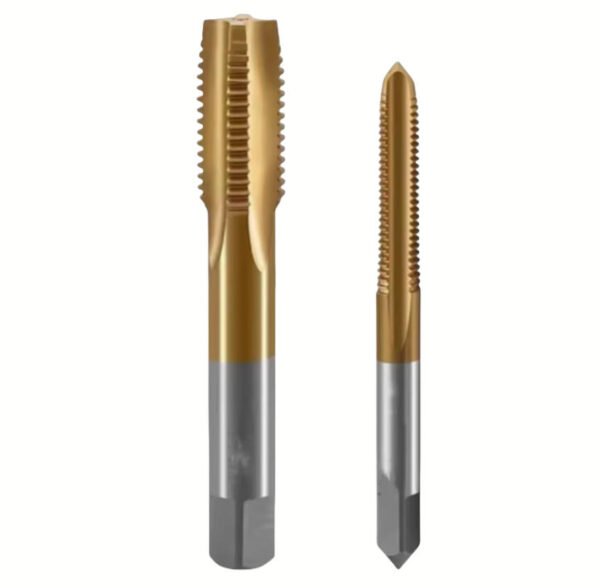
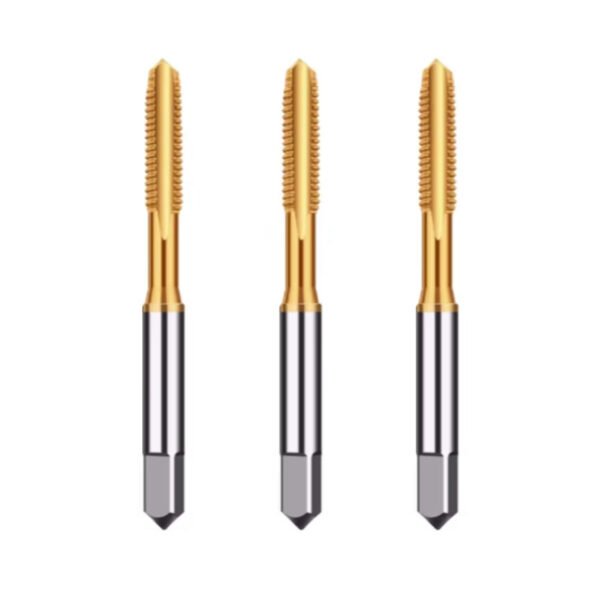
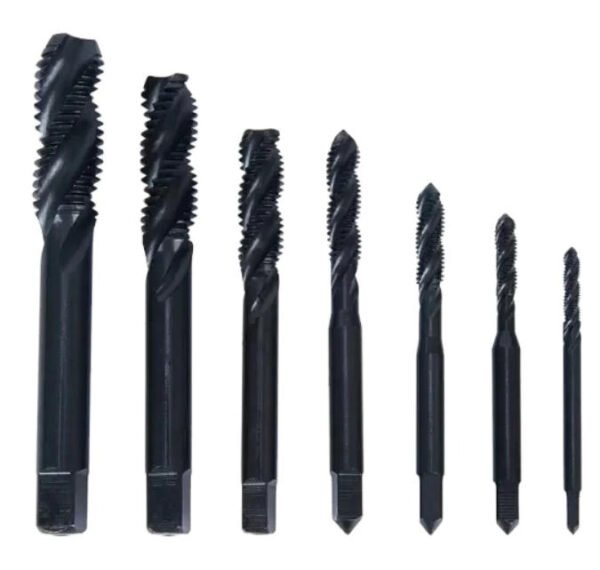
At MisolTap, we don’t just write about machining theory; we engineer the tools that make modern manufacturing possible. Since our founding in 2005, MisolTap has established itself as a leading Chinese manufacturer of high-performance thread cutting tools. We integrate R&D, production, and global sales into a seamless operation, providing our clients with robust and precise threading solutions tailored to modern manufacturing needs.
Every taper, plug, and bottoming tap that leaves our facility is rigorously tested for geometric accuracy and metallurgical consistency. We believe that by providing our customers with world-class tools and uncompromising technical education, we empower machine shops to push the boundaries of what is possible. When you partner with MisolTap, you gain more than a tool supplier; you gain an expert manufacturing ally.
Frequently Asked Questions
Why can’t I just use a plug tap for everything?
While a plug tap is highly versatile, using it to start a hand-tapped hole often results in crooked threads due to its shorter chamfer. Conversely, it leaves 3 to 5 unthreaded pitches at the bottom of a blind hole, making it unsuitable for components that require a bolt to seat deeply. Knowing when to use each taps type prevents these specific issues.
What happens if I try to start a hole with a bottoming tap?
Because a bottoming tap only has 1 to 1.5 chamfered threads, the cutting forces are heavily concentrated. Starting a hole with it requires immense torque, makes it nearly impossible to keep the tap perpendicular, and drastically increases the risk of snapping the tool off in the workpiece.
How does material hardness affect when to use each taps type?
Harder materials naturally generate more cutting resistance. In tough metals like titanium or Inconel, spreading the cutting load over a longer chamfer (using a taper tap) is crucial to prevent tool breakage. Always opt for a gentler taper when material hardness increases.
Can I use these taps in a CNC machine?
Yes. However, CNC machines provide perfect rigidity and alignment, meaning you rarely need a taper tap to “start” a straight hole. Plug taps and specialized machine taps (like spiral flute bottoming taps) are generally preferred in automated, rigid setups.
Industry References
To ensure our guides meet the highest standards of industrial E-E-A-T (Experience, Expertise, Authoritativeness, Trustworthiness), we cross-reference our internal manufacturing data with leading industry publications. For further technical reading on threading geometry and best practices, we recommend reviewing: