
In the highly demanding world of precision manufacturing, automotive engineering, and aerospace fabrication, the integrity of a threaded hole is non-negotiable. Creating precise internal threads in hardened metals requires more than just standard cutting tools; it demands specialized engineering. Finding the Best screw thread tap for metal is the most critical step in ensuring tool longevity, preventing catastrophic tap breakage, and securing high-tolerance part assemblies. With countless materials ranging from ductile aluminum to abrasive cast iron and hardened stainless steel, selecting the incorrect threading tool leads to costly production downtime and scrapped components.
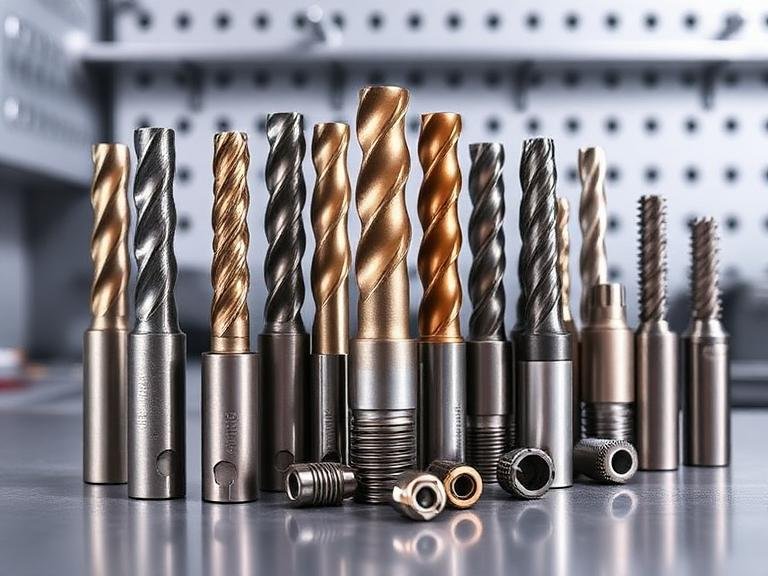
Since our founding in 2005, MisolTap has established itself as a leading Chinese manufacturer of high-performance thread cutting tools. We integrate R&D, production, and global sales into a seamless operation, providing our clients with robust and precise threading solutions tailored to modern manufacturing needs. From our experience on the factory floor and in our metallurgy labs, we understand the exact geometries, substrates, and coatings required to master metal threading. In this authoritative guide, we will analyze the mechanics of thread cutting, detail the 9 Best screw thread tap for metal available today, and provide our expert methodology for choosing the perfect tool for your CNC or manual machining operations.
Table of Contents
1. Understanding Metal Threading Dynamics
Before diving into our curated list of the Best screw thread tap for metal, it is essential to understand the physics of threading. When a tap enters a pre-drilled hole, it subjects the metal to extreme shear forces and elevated temperatures. The geometry of the tap determines how chips are formed and evacuated. If chips are not properly cleared, they will pack into the flutes, causing the torque to spike until the tap inevitably snaps.
There are two primary hole types in metalworking: through holes (where the hole penetrates entirely through the workpiece) and blind holes (where the hole stops at a specific depth). Through holes allow chips to be pushed forward ahead of the tool, whereas blind holes require chips to be pulled up and out of the hole. Consequently, the Best screw thread tap for metal in a through-hole application will be functionally entirely different from the best tap for a blind hole application. Furthermore, the material of the tap itself traditionally High-Speed Steel (HSS), Cobalt-alloyed High-Speed Steel (HSSE), or Solid Carbide dictates its wear resistance and heat tolerance.
2. The 9 Best Screw Thread Tap for Metal List
Drawing on two decades of manufacturing and industrial field testing, we have categorized the premier threading tools on the market. Here is our comprehensive breakdown of the 9 Best screw thread tap for metal, featuring specific industry standards and specialized geometries.
1. MisolTap DIN371 Thread Tap (Reinforced Shank)
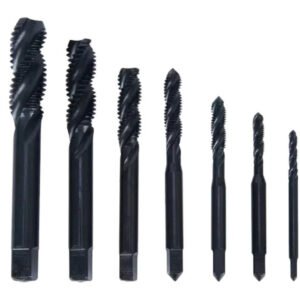
For metric threading applications, the MisolTap DIN371 Thread Tap is an industry cornerstone. The DIN371 standard specifies a reinforced shank, meaning the shank diameter is equal to the major diameter of the thread. This added mass provides exceptional rigidity and prevents torsional flexing during the cut. From our experience, this makes the DIN371 the absolute Best screw thread tap for metal when utilizing rigid tapping cycles in modern CNC milling machines. It is exceptionally resilient when cutting standard carbon steels, alloy steels, and structural metals, offering a prolonged tool life and highly accurate thread pitch.
2. High-Performance Spiral Point Taps (Gun Taps)
Commonly referred to as gun taps, spiral point taps feature a straight flute with an angular cut at the tip. This unique geometry shoots the metal chips forward, ahead of the cutting action. Because the flutes are shallower, the core of the tap is much thicker and stronger. If you are machining through holes, a spiral point tap is universally considered the Best screw thread tap for metal. They can run at higher speeds and require less torque, making them ideal for production runs in steel, cast iron, and aluminum.
3. MisolTap IOS-529 Thread Tap
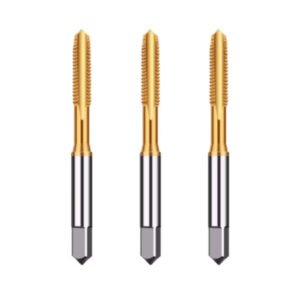
Adhering to the globally recognized International Organization for Standardization, the MisolTap IOS-529 Thread Tap represents the pinnacle of versatile, general-purpose machining. This standard provides optimal flute dimensions and shank tolerances suited for a wide array of tap holders and collets. We engineered our IOS-529 line to be the Best screw thread tap for metal when a machine shop needs a reliable, multi-material workhorse. Whether you are cutting brass, bronze, or medium-tensile steel, this tap provides consistent chip evacuation and superior thread finish.
4. Spiral Flute Taps
When threading blind holes, chip evacuation becomes the primary challenge. Spiral flute taps are designed with helical flutes similar to a twist drill. This helix aggressively pulls the metal chips upward and out of the hole, preventing chip packing at the bottom. For machining deep blind holes in materials like stainless steel or sticky aluminum alloys, a spiral flute geometry is undeniably the Best screw thread tap for metal. We recommend choosing a fast spiral (around 45 degrees) for softer, stringy materials, and a slow spiral (around 15 to 30 degrees) for tougher steels.
5. MisolTap JIS Thread Tap
The Japanese Industrial Standard (JIS) thread taps are specifically tailored for integration into Asian manufacturing equipment and automotive assembly lines. The MisolTap JIS Thread Tap is meticulously ground to meet these stringent dimensional tolerances. The shank dimensions and square drive sizes are optimized for JIS-compliant tap holders. From our experience supplying the automotive sector, this is the Best screw thread tap for metal when working on engine blocks, transmission housings, and imported heavy machinery, guaranteeing a perfect fit and eliminating runout.
6. Roll Forming Taps (Chipless Taps)
Unlike cutting taps, roll forming taps do not cut the metal; they displace it. By cold-forming the material under extreme pressure, these taps create threads that are significantly stronger due to the uninterrupted grain structure of the metal. Because they produce zero chips, they are the Best screw thread tap for metal in deep blind holes or for materials that are highly ductile, such as low-carbon steel, copper, brass, and aluminum. We recommend using a high-lubricity forming fluid when utilizing roll taps to reduce friction and extend tool life.
7. Cobalt Steel (HSSE) Thread Taps
When cutting tough, abrasive materials like 304 or 316 stainless steel, standard HSS tools will quickly dull and fail. Taps alloyed with 5% to 8% cobalt (M35 or M42 steel) maintain their hardness at much higher temperatures. For aerospace components and high-heat applications, a cobalt-alloyed tap is the Best screw thread tap for metal. The addition of cobalt increases the red-hardness of the tool, allowing it to shear through work-hardening metals without suffering immediate edge degradation.
8. Titanium Carbonitride (TiCN) Coated Taps
A tap’s performance can be exponentially increased by applying an advanced Physical Vapor Deposition (PVD) coating. TiCN coatings provide extreme surface hardness and a very low coefficient of friction. When dealing with cast iron, abrasive silicon-aluminum alloys, or tool steels, a TiCN-coated tap is often the Best screw thread tap for metal. The coating acts as a thermal barrier, directing the heat of the cut into the chip rather than the tool, thereby preserving the cutting edges and improving the surface finish of the internal thread.
9. Interrupted Thread Taps
Threading materials like titanium or certain grades of stainless steel often results in galling, where the material welds itself to the flanks of the tap due to friction. Interrupted thread taps have every other tooth removed on the trailing edge of the tap. This design reduces the surface contact area by half, significantly lowering friction and allowing cutting fluids to reach the cutting edge more effectively. For exotic alloys, this specialized design represents the Best screw thread tap for metal to prevent thread tearing and tool binding.
3. Expert Guide: How to Select the Right Tool
Selecting the Best screw thread tap for metal is a multi-variable equation. From our experience at MisolTap, we recommend evaluating your application based on the following three criteria before loading a tool into your spindle:
- Hole Type: This is the absolute first step. If you have a through hole, use a spiral point tap (like our MisolTap IOS-529). If you have a blind hole, you must use a spiral flute tap to evacuate chips upward, or a roll forming tap if the material permits.
- Material Machinability: Match the tool substrate and coating to the metal. Use standard HSS for mild steel and aluminum. Upgrade to HSSE (Cobalt) for stainless steel. Utilize TiCN or TiAlN coated taps for hardened alloys and cast iron.
- Machine Rigidity: If you are using a modern CNC machine with synchronized rigid tapping, use a reinforced shank tap like the MisolTap DIN371 Thread Tap. If you are using an older drill press or manual lathe, utilize a tension/compression floating tap holder to compensate for slight feed discrepancies.
We recommend always prioritizing high-quality cutting fluids. Even the Best screw thread tap for metal will fail if run dry or with inadequate lubrication. For cutting taps, a sulfur-based dark cutting oil often yields the best results in steel, while a specialized forming oil is required for roll taps.
4. Summary Table of Thread Taps
| Tap Type / Model | Optimal Hole Type | Best Suited Metal / Application | Key Advantage |
|---|---|---|---|
| MisolTap DIN371 | Through & Blind (varies) | Carbon Steels, Structural Metals | Reinforced shank for extreme rigidity in CNC tapping. |
| MisolTap IOS-529 | Through & Blind (varies) | General Purpose, Brass, Bronze | Universal compliance, versatile for mixed-material shops. |
| MisolTap JIS | Through & Blind (varies) | Automotive Steels, Imports | Exact Japanese Industrial Standard dimensions for zero runout. |
| Spiral Point (Gun) | Through Holes Only | Medium Steels, Cast Iron | Pushes chips forward, strongest core design. |
| Spiral Flute | Blind Holes | Stainless Steel, Aluminum | Pulls chips upward to prevent bottom packing. |
| Roll Forming | Through & Blind | Soft Metals (Aluminum, Copper) | Chipless operation, creates stronger formed threads. |
| Cobalt (HSSE) | Through & Blind | Stainless Steel, Hard Alloys | High heat resistance for tough, work-hardening metals. |
| TiCN Coated | High-Speed Production | Abrasive Alloys, Tool Steels | Extreme surface hardness and low friction. |
| Interrupted Thread | Difficult/Sticky Metals | Titanium, Exotic Alloys | Reduces galling and friction by 50%. |
5. Frequently Asked Questions (FAQs)
What is the Best screw thread tap for metal that has been hardened?
For hardened metals (typically above 40 HRC), standard HSS taps will not work. We recommend using a Solid Carbide tap coated with Titanium Aluminum Nitride (TiAlN). Carbide provides the necessary rigidity and cutting edge hardness, while the coating resists the extreme heat generated during the cut.
Why does my tap keep breaking in blind holes?
Tap breakage in blind holes is almost always caused by chip packing. If you are using a straight flute or spiral point tap, the chips are being pushed to the bottom of the hole until they compress and snap the tool. You must switch to a spiral flute tap, which pulls the chips up and out of the hole.
Can I use WD-40 for tapping metal?
From our experience, WD-40 is a water-displacement solvent, not a heavy-duty cutting lubricant. While it may work for very thin, soft aluminum, it lacks the extreme pressure (EP) additives required for steel. We strongly recommend using a dedicated sulfurized cutting fluid or a synthetic tapping paste to protect the lifespan of your threading tools.