
In the high-stakes environment of modern CNC machining and industrial manufacturing, spindle downtime is the ultimate enemy. A machine center sitting idle because a specific threading tool has not arrived is a catastrophic failure of procurement. When you are tasked with sourcing cutting tools, evaluating the lead time and delivery considerations for thread tap suppliers is just as critical as evaluating the metallurgical geometry of the tap itself.

From our experience, purchasing managers often make the fatal error of selecting vendors based purely on unit cost, completely ignoring the logistical realities of global tool distribution. If a supplier promises a specialized tap at a fraction of the cost but relies on unpredictable sea freight and possesses no domestic buffer stock, the money saved on the tool will be instantly obliterated by the thousands of dollars lost to halted production lines. We recommend taking a hard, analytical look at exactly how your chosen manufacturers handle their supply chain logistics before signing any long-term procurement contracts.
Quick Answer: How to Evaluate Delivery Metrics
The most vital considerations for thread tap suppliers regarding delivery are their inventory holding capacity, their in-house coating capabilities, and their shipping infrastructure. A reliable supplier should offer same-day shipping for standard off-the-shelf sizes, while custom or highly specialized taps should be delivered within a strict 3 to 4-week window. In most professional situations, you should prioritize suppliers who manage their own raw material blanks and offer expedited air freight options to prevent costly manufacturing downtime. Evaluating these metrics ensures you are buying a resilient supply chain, not just a cutting tool.
Table of Contents
- What It Is: Deconstructing Procurement Logistics
- Quick Summary: Key Lead Time Metrics
- How It Works: The Journey from Blank to Delivery
- The Benefits of Rapid-Response Suppliers
- Limitations: What You Cannot Rush
- Who Should Prioritize Strict Delivery Metrics
- Comparison Table: Standard vs. Custom Deliveries
- Common Mistakes in Tool Sourcing
- Buying Considerations for Thread Tap Suppliers
- Pros and Cons: Domestic vs. Overseas Sourcing
- Expert Recommendation from MisolTap
- Frequently Asked Questions (FAQ)
- Authoritative References
What It Is: Deconstructing Procurement Logistics
When we discuss delivery considerations for thread tap suppliers, we are examining the entire temporal lifecycle of an order. Lead time is not merely the transit time from the supplier’s warehouse to your loading dock. It encompasses order processing, raw material allocation, CNC flute grinding, edge preparation, physical vapor deposition (PVD) coating, quality control (QC) inspection, and final packaging.
A supplier’s ability to minimize this timeline without compromising ISO tolerances is what separates a world-class tooling partner from a generic broker. Whether you are ordering a massive batch of standard M8 fasteners or a highly specific 3/8 pipe thread tap size for fluid sealing applications, knowing exactly when those tools will arrive dictates your entire production schedule.
Quick Summary: Key Lead Time Metrics
| Tap Category | Acceptable Lead Time | Supplier Requirement |
|---|---|---|
| Standard DIN/ISO Sizes | 24 – 48 Hours | Deep domestic or regional buffer stock. |
| Coated Standard Sizes | 3 – 5 Days | In-house or rapid-turnaround coating facilities. |
| Specialty/Non-Standard | 2 – 3 Weeks | Agile CNC grinding lines and blank availability. |
| Fully Custom Geometries | 4 – 6 Weeks | Dedicated R&D engineering and bespoke manufacturing lines. |
How It Works: The Journey from Blank to Delivery
To fully grasp the core considerations for thread tap suppliers, you must understand how a tap is actually manufactured upon receiving a purchase order. If an item is out of stock, the clock starts ticking.
First, the supplier must secure the raw material blanks. The best material for thread taps, typically High-Speed Steel (HSS-E or HSS-PM) or solid carbide, is not always sitting idle. If a supplier lacks raw material inventory, your lead time instantly doubles. Once the blank is secured, it enters the CNC grinding phase where the flutes and thread pitches are carved.
The most common bottleneck, in our experience, occurs during the coating process. Many mid-tier manufacturers outsource their TiN, TiCN, or TiAlN coatings to third-party facilities. This adds transit time back and forth, plus the queue time at the coating center. Premium suppliers either have in-house PVD chambers or exclusive contracts that guarantee 24-hour turnaround times. Finally, international shipping logistics—navigating customs, air freight availability, and port congestion—form the final hurdle before the tool reaches your spindle.
The Benefits of Rapid-Response Suppliers
Aligning your operations with suppliers who excel in delivery logistics provides massive, tangible commercial benefits. For commercial users, predictable lead times allow for “Just-In-Time” (JIT) inventory management. Instead of tying up tens of thousands of dollars in tooling inventory sitting on a shelf gathering dust, you can order exactly what you need, exactly when you need it.
Furthermore, rapid delivery prevents expensive expedited shipping charges. When you trust your supplier’s timeline, you do not have to pay emergency overnight air freight fees. If you run a high-volume job shop and a tool breaks unexpectedly, having a partner who can dispatch a replacement heavy duty tap and drill within hours is quite literally the difference between profit and loss on a contract.
Limitations: What You Cannot Rush
Despite the demand for speed, there are strict limitations to how fast a cutting tool can be produced. You cannot compromise the laws of physics and metallurgy. Rushing the grinding process generates excessive heat, which can cause micro-fractures in the tool substrate. Skipping rigorous post-grinding edge preparation leads to premature tool wear and poor thread finishes.
In our testing, we have seen buyers force manufacturers into impossible deadlines, resulting in tools that bypass final Quality Assurance (QA) checks. It is absolutely not worth shaving three days off a lead time if the resulting tap produces oversized, out-of-tolerance threads that scrap an entire batch of expensive aerospace components. Quality must always supersede blind speed.
Who Should Prioritize Strict Delivery Metrics
For commercial users and heavy-duty applications: Aerospace contractors, automotive production lines, and heavy equipment manufacturers must demand strict Service Level Agreements (SLAs) regarding delivery times from their vendors. When a production line produces hundreds of parts per hour, unpredictable considerations for thread tap suppliers are unacceptable. You must utilize vendors who offer Vendor-Managed Inventory (VMI) or guaranteed safety stock agreements.
Who does not need it: For beginners, hobbyists, or small repair shops doing occasional maintenance work, paying a premium for guaranteed 24-hour delivery is unnecessary. If you are occasionally ordering rethreading taps and dies to chase dirty threads on a weekend project, standard e-commerce shipping times are more than sufficient.
Comparison Table: Standard vs. Custom Deliveries
| Factor | Off-the-Shelf Standard Taps | Custom/Bespoke Taps |
|---|---|---|
| Typical Lead Time | 1 – 3 Days | 4 – 8 Weeks |
| Stocking Strategy | High minimum stock levels maintained by supplier. | Made-to-order; requires buyer to forecast usage. |
| Cost Implications | Economies of scale keep prices low. | High setup costs; rush fees are exorbitant. |
| Supplier Communication | Minimal (Automated online ordering). | High (Requires drawing approvals and engineering sign-off). |
Common Mistakes in Tool Procurement
We routinely see procurement departments make identical errors when evaluating thread tap manufacturers. The most prevalent mistake is ignoring geopolitical and regional holiday calendars. Ordering from an Asian supplier two weeks before the Lunar New Year, or from a European supplier during the August holiday shutdown, will strand your order for weeks.
Another major mistake is failing to specify exactly what type of tool is needed, leading to returns and massive delays. For example, a buyer might order a generic tap without understanding the nuance between styles. If the machinist requires specific chip evacuation for a blind hole, but the buyer fails to consult resources on plug tap vs thread tap geometries, the wrong tool will arrive. The time lost reordering the correct tool is entirely preventable with better internal communication.
Buying Considerations for Thread Tap Suppliers
When you sit down to negotiate with a new vendor, the vital considerations for thread tap suppliers must be codified into your purchasing contract. Ask explicitly about their blank inventory levels. Inquire about their coating partnerships. Demand to know their historical On-Time Delivery (OTD) percentage.
If your manufacturing process requires niche tools, such as a left hand thread tap set for reverse-threaded mechanical assemblies, ensure the supplier actually manufactures these regularly, rather than treating them as a rare custom job. Suppliers who specialize in these niches will have significantly shorter lead times than generic broad-line distributors.
Pros and Cons Table: Domestic vs. Overseas Sourcing
| Sourcing Strategy | Pros | Cons |
|---|---|---|
| Domestic Suppliers | Rapid transit times; easy communication; no customs delays; fast emergency response. | Significantly higher unit costs; limited manufacturing capacity for massive bulk orders. |
| Overseas Suppliers | Highly competitive pricing; massive production scale; excellent for forecasted bulk ordering. | Long ocean freight lead times; potential customs holds; challenging time-zone communication. |
| Hybrid Suppliers (Overseas Mfg + Domestic Hub) | Best of both worlds: competitive manufacturing costs with fast domestic dispatch from local warehouses. | Requires the supplier to manage their internal inventory flawlessly to avoid domestic stockouts. |
Expert Recommendation from MisolTap
Why Partnering with an Integrated Manufacturer Matters
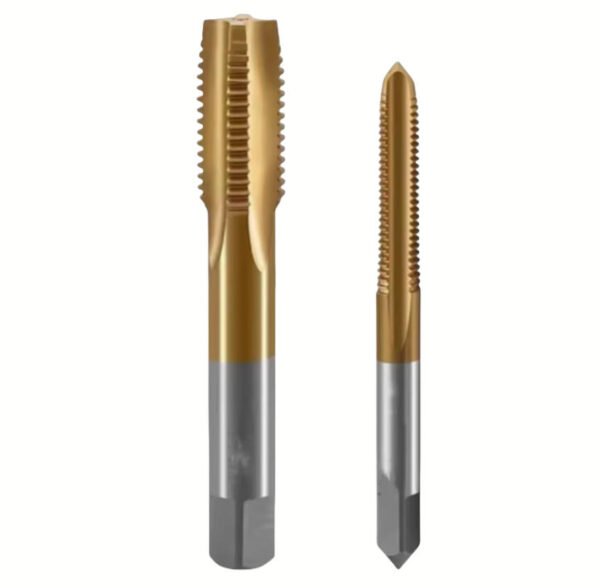
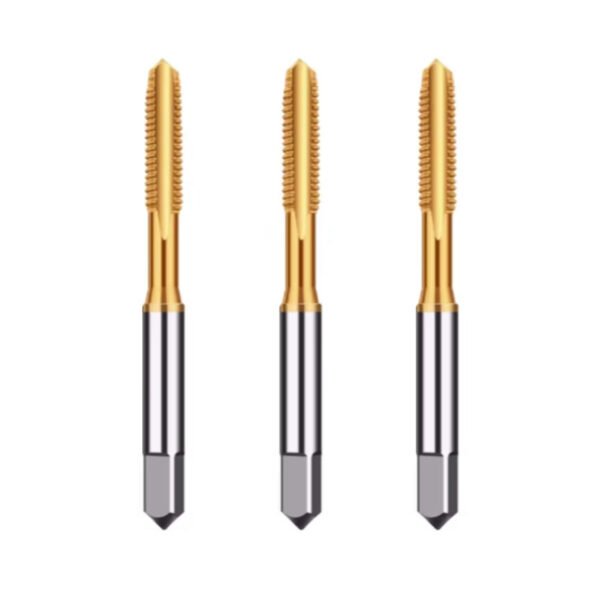
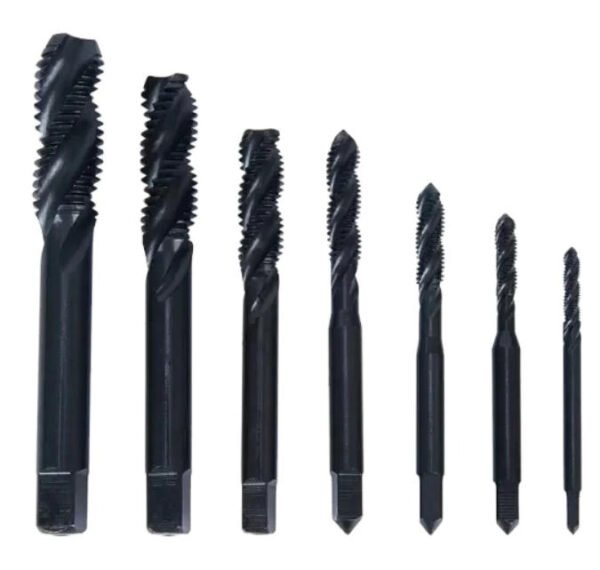
In most professional situations, the ultimate solution to mitigating lead time risks is to partner with a manufacturer that controls its entire supply chain. Relying on brokers who merely repackage tools introduces unpredictable delays.
Since our founding in 2005, MisolTap has established itself as a leading Chinese manufacturer of high-performance thread cutting tools. We integrate R&D, production, and global sales into a seamless operation, providing our clients with robust and precise threading solutions tailored to modern manufacturing needs.
We recommend prioritizing suppliers like MisolTap that leverage a hybrid model—maintaining aggressive global manufacturing capabilities while deploying strategic inventory management. Whether you need standard machine taps or require guidance on how to use a thread tap optimally to extend tool life and reduce reorder frequency, choosing an integrated, communicative supplier is undeniably worth the investment. It transforms your supply chain from a liability into a competitive advantage.
Frequently Asked Questions (FAQ)
What is a good On-Time Delivery (OTD) rate for a thread tap supplier?
In the industrial tooling sector, a world-class supplier should maintain an On-Time Delivery (OTD) rate of 95% or higher. Anything below 90% indicates severe supply chain or manufacturing bottlenecks and should be considered a major red flag when evaluating considerations for thread tap suppliers.
Why do custom coated taps take so much longer to deliver?
Custom coatings (like TiAlN or special diamond-like carbon) require the taps to be sent through a physical vapor deposition (PVD) vacuum chamber. This process involves meticulous cleaning, batch loading, and a lengthy vacuum cycle. If a supplier does not have these chambers in-house, transit to a third-party coater adds significant lead time.
How can I reduce the lead time for my tooling procurement?
The most effective way to reduce lead time is to establish a Vendor-Managed Inventory (VMI) agreement or a blanket purchase order. By providing your supplier with a 6-to-12-month forecast of your usage, they can manufacture the taps in advance and hold them in safety stock, allowing for immediate shipment upon request.
Authoritative References
To ensure your procurement strategies align with global manufacturing standards and supply chain best practices, we base our methodologies on guidelines from the following authoritative bodies:
- International Organization for Standardization (ISO): Provides the global frameworks for quality management systems (ISO 9001) that dictate how reliable suppliers must track and manage their production lead times and customer delivery metrics. Visit ISO
- Society of Manufacturing Engineers (SME): An authoritative source for advanced manufacturing knowledge, offering peer-reviewed insights into optimizing supply chain logistics and tooling procurement in high-volume machining environments. Visit SME
- National Institute of Standards and Technology (NIST): Through the Hollings Manufacturing Extension Partnership (MEP), NIST provides critical data on strengthening domestic supply chains and mitigating risks associated with overseas tooling procurement. Visit NIST