
A stripped thread on a critical component is not just an inconvenience; it is an expensive bottleneck that halts production and compromises structural integrity. When a threaded hole is damaged, mechanics, machinists, and engineers immediately look for viable thread repair solutions to salvage the part rather than scrapping the entire workpiece. However, the machining industry is flooded with conflicting advice about whether you should chase a damaged thread with a standard cutting tap, use a dedicated rethreading tool, or drill the hole out entirely for a helical insert.
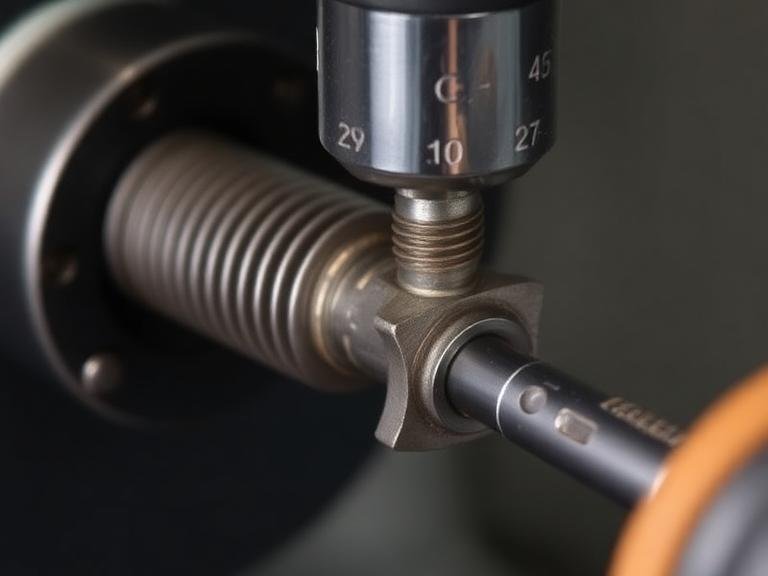
From our experience, choosing the wrong repair method does not just fail to fix the problem—it often destroys the base material permanently. There is a distinct line between cleaning a dirty thread and attempting to recreate mechanical holding power where the metal has already sheared away. In this expert guide, we will analyze commercial thread repair solutions, establish exactly when using a thread tap is mathematically and structurally appropriate, and explain how to avoid catastrophic machining failures during the repair process.
Quick Answer: Can You Use a Tap for Thread Repair?
Yes, but only under specific conditions. If the thread damage is minor—such as burrs, rust, slight cross-threading in the first two pitches, or galling—you can use a tap (preferably a dedicated rethreading tap or chaser) to realign and clean the internal geometry. However, if more than 25% to 30% of the internal thread material has been sheared off or physically pulled out, a tap will not fix the issue. Running a tap through a heavily stripped hole will only remove the remaining material, leaving you with an oversized, useless hole. In such heavy-duty applications, the only viable thread repair solutions are drilling out the hole and installing a solid or helical thread insert.
Table of Contents
- What Are Thread Repair Solutions?
- Quick Summary: Thread Repair Methods
- Using a Tap for Damaged Threads: How It Works
- Benefits of Using a Tap for Thread Repair
- Limitations: When Taps Fail
- Who Should Use Thread Taps for Repair?
- Thread Repair Solutions Comparison
- Common Mistakes in Thread Repair
- Buying Considerations for Thread Repair Tools
- Expert Recommendations and Real-World Scenarios
- Drilling Speeds and Thread Preparation
- Frequently Asked Questions (FAQ)
- Authoritative References
What Are Thread Repair Solutions? (And When Do You Actually Need Them?)
In modern manufacturing and heavy equipment maintenance, thread repair solutions encompass a variety of tools and metallurgical techniques designed to restore the internal geometry of a threaded hole. The ultimate goal is to ensure the hole can securely accept a fastener and hold the required torque specification without stripping out again.
Since our founding in 2005, MisolTap has established itself as a leading Chinese manufacturer of high-performance thread cutting tools. We integrate R&D, production, and global sales into a seamless operation, providing our clients with robust and precise threading solutions tailored to modern manufacturing needs. Through decades of analyzing broken taps and stripped engine blocks, we have found that engineers often misunderstand the difference between cutting a new thread and repairing an existing one.
You need thread repair solutions when a fastener has been over-torqued, cross-threaded during installation, or when galvanic corrosion has caused the male and female threads to fuse, tearing the metal upon extraction. The critical decision you must make immediately is assessing the volume of lost material. If the peak of the thread profile is merely flattened, a tap can push or recut the material into shape. If the root of the thread is torn out entirely, no tap on earth can put missing metal back into the hole.
Quick Summary: Thread Repair Methods
Before diving deep into tapping, it is crucial to understand where taps fit within the broader spectrum of thread repair solutions. Here is a practical overview of the industry standards.
| Repair Method | Tool Required | Best Use Case | Structural Integrity After Repair |
|---|---|---|---|
| Thread Chasing / Cleaning | Rethreading Tap or Standard Tap | Minor burrs, rust, dirt, or slight cross-threading. | 95% to 100% of original holding power. |
| Helical Inserts (e.g., Helicoil) | Oversized STI Tap, Drill Bit, Insert Tool | Stripped threads in softer metals like aluminum. | Often stronger than the original parent material. |
| Solid Thread Inserts (e.g., Time-Sert) | Counterbore, Drill, Special Tap, Driver | Severe damage, high-torque automotive and aerospace. | Maximum strength, highly resistant to fluid leaks. |
| Welding and Retapping | TIG Welder, Standard Tap, Drill | Obsolete parts where inserts are not an option. | Depends entirely on weld penetration and metallurgy. |
Using a Tap for Damaged Threads: How It Works
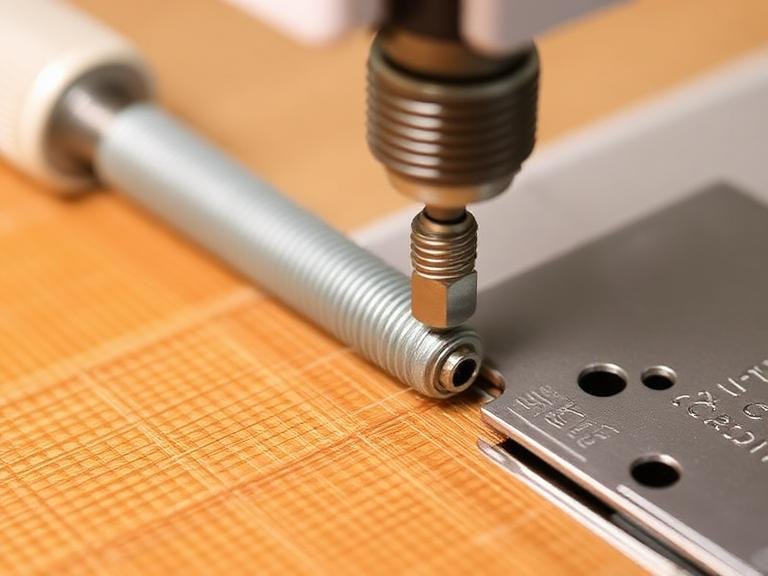
When you decide that a tap is the right tool among various thread repair solutions, you are relying on the tap’s cutting edges and flute design to clear out obstructions. In most professional situations, you should technically use a “thread chaser”—a tool designed to reform metal rather than cut it. However, high-quality cutting taps are frequently used for this purpose in machine shops worldwide.
When running a tap into a damaged hole, the tapered front threads of the tap catch the surviving threads at the bottom or top of the hole. As you turn the tap, it acts as a guide. The sharp flutes scrape away galled material, oxidized metal, and debris. If you are learning how to use a thread tap for repair, the absolute most critical rule is to do it by hand, never with a power drill. A drill lacks the tactile feedback necessary to feel if the tap is following the original thread path or destructively cutting a new one (cross-threading).
Benefits of Using a Tap for Thread Repair
Why do machinists reach for a tap first? Because when it works, it is the most efficient of all thread repair solutions. Understanding the types of thread taps available helps professionals choose the right geometry for the specific repair task.
1. Unmatched Speed and Efficiency: If you only need to clear out some galling, running a tap through the hole takes less than two minutes. You do not need to set up a drill press, calculate oversized hole diameters, or carefully install coils.
2. Preserves Original Fastener Size: This is a massive commercial benefit. If you drill out a hole to put in a larger bolt, you now have a non-standard assembly. Using a tap to clean the threads ensures you can use the original OEM bolt size, which is critical in automotive and aerospace maintenance where fastener weights and grades are strictly regulated.
3. Cost-Effective: A solid high-speed steel (HSS) tap is a one-time purchase that can clean hundreds of holes if lubricated properly, whereas thread inserts cost money per hole repaired.
Limitations: When Taps Fail
We must be candid: taps are not magic wands. There are distinct limitations to using cutting tools as thread repair solutions. The primary limitation is material loss. A tap operates subtractively; it removes material. It cannot add metal to a stripped hole.
If a mechanic cross-threaded a bolt and drove it in with an impact wrench, the original thread crests are obliterated. If you run a tap into that hole, it might feel like you are cutting clean threads, but you are actually just widening the hole and reducing the thread engagement percentage. In our testing, attempting to torque a bolt into a severely stripped hole that was “fixed” solely with a tap results in immediate pull-out failure at roughly 40% of the rated torque spec. Furthermore, knowing the plug tap vs thread tap distinction is crucial here. A plug tap might bottom out before repairing the deepest threads in a blind hole, leaving the repair incomplete.
Who Should Use Thread Taps for Repair? (And Who Should Not)
Not every operator should attempt to repair threads with a tap. Here is a clear breakdown of who benefits from this specific method and who needs alternative thread repair solutions.
| Target Audience | Pros of Using Taps | Cons of Using Taps | Recommendation |
|---|---|---|---|
| For Beginners / DIYers | Inexpensive to purchase; easy to find locally. | High risk of cross-threading and ruining the part permanently without proper feel. | Use only on lightly rusted holes. Go slow and use abundant cutting fluid. |
| For Commercial Users (Auto Techs) | Extremely fast turnaround time; keeps bays moving. | Cutting taps can remove too much parent material on soft aluminum engine blocks. | Keep a dedicated set of rethreading chasers (not cutting taps) for daily cleanups. |
| For Heavy-Duty Applications (Machinists) | Can restore high-tolerance tapped holes that suffered minor galling during production. | Cannot restore structural load-bearing capacity if shear has occurred. | Evaluate material loss. If loss > 20%, escalate immediately to solid threaded inserts. |
Thread Repair Solutions Comparison: Taps vs. Thread Inserts vs. Rethreading Dies
To help you make a buying and usage decision, we must compare taps against the other heavyweights in the thread repair solutions category. For a deeper dive into external thread repair, we highly recommend reviewing the rethreading taps and dies applications.
| Feature | Standard Cutting Taps | Helical Thread Inserts | Rethreading Chasers |
|---|---|---|---|
| Primary Function | Cutting new threads / Aggressive cleaning | Total replacement of stripped threads | Reforming and cleaning dirty threads |
| Material Removal | High (Removes metal) | Very High (Requires drilling out) | Low (Pushes metal back into place) |
| Cost per Repair | Very Low | Moderate to High | Low |
| Best For | Clearing severe burrs and deep rust. | Stripped holes in aluminum and cast iron. | Rolled threads and mildly deformed holes. |
Common Mistakes in Thread Repair (From Our Experience)
Throughout our years of manufacturing, we have seen excellent components ruined by poor thread repair techniques. Here are the most common commercial mistakes you must avoid:
1. Using the Wrong Pitch or Standard: Forcing a Metric tap into an SAE hole, or forcing a UNC tap into a UNF hole, will instantly destroy the workpiece. Furthermore, pipe threads are entirely different beasts. If you are dealing with NPT fittings, you must consult a pipe thread tap size chart. Tapered pipe threads cannot be aggressively chased without altering the depth at which the pipe fitting will seal, leading to catastrophic fluid leaks.
2. Ignoring Proper Alignment: When a hole is damaged, the tap will want to follow the path of least resistance, which is often a crooked angle caused by the original cross-threading. If you do not use a tap guide or a milling machine to ensure perfectly perpendicular alignment, you will cut a new, crooked thread right over the old one.
3. Drilling Out Blindly: When a tap is not enough and you must upgrade to a thread insert, operators often guess the drill size. Never guess. Always refer to a rigorous tap and drill size chart before removing base material. Removing too much material weakens the boss surrounding the hole, which can cause the casing to crack under torque.
Buying Considerations for Thread Repair Tools
If you are investing in thread repair solutions, stop wasting money on cheap high-carbon steel tools found in discount hardware stores. They are brittle, dull quickly, and snap off inside the hole—turning a minor repair into an extraction nightmare. Here is what you should consider before making a purchase.
| Consideration | What to Look For | Why It Matters |
|---|---|---|
| Tool Material | HSS (High-Speed Steel) or HSSE (Cobalt). Avoid Carbon Steel. | HSS offers superior wear resistance and toughness, reducing the chance of the tap snapping in a damaged hole. |
| Specialty Threads | Left-Hand configurations for reverse-thread components. | Some automotive and rotating machinery require reverse threads. You must use a dedicated left hand thread tap set for these repairs. |
| Coating | TiN (Titanium Nitride) or Uncoated Bright Finish. | Coatings reduce friction during the repair, which is critical when dealing with galled aluminum or stainless steel. |
Expert Recommendations and Real-World Scenarios
In our testing and manufacturing at MisolTap, we strongly advocate for standardized precision. We recommend that commercial machining centers keep strict adherence to international standards. When selecting taps for repair, sourcing from a verified din371 thread tap supplier or an ios 529 thread tap supplier guarantees that the pitch diameter and shank dimensions are mathematically perfect.
Real-World Scenario: Imagine a technician is rebuilding an aluminum engine block and discovers a stiff head bolt hole. The thread is not stripped, but it has old thread-locking compound and mild galvanic corrosion.
The Wrong Approach: Running a standard cutting tap down the hole with a power drill. This cuts into the soft aluminum, slightly increasing the pitch diameter. When the engine is reassembled and torqued to yield, the weakened threads pull out of the block, ruining the engine.
The Right Approach: The technician uses a dedicated thread chaser (or a highly lubricated standard tap turned slowly by hand with a T-handle), feeling for resistance. The tool cleans out the debris without removing the parent aluminum, maintaining the exact tolerance required for the high-torque head bolt.
Drilling Speeds and Thread Preparation
If you determine that a tap will not fix the issue because the thread is entirely stripped, you are forced to move to an insert. This requires drilling out the remaining damaged threads. A critical factor here is heat generation. If you drill too fast, you work-harden the base material, making tapping the new oversized hole nearly impossible without snapping the tap. Understanding the optimal drilling speed for metal is non-negotiable for successful thread repair. Slow speeds, heavy feed pressure, and immense amounts of high-quality cutting fluid will yield a perfectly cylindrical hole ready for a fresh insert tap.
Frequently Asked Questions (FAQ)
Can I use a standard cutting tap to clean threads?
Yes, but with extreme caution. A cutting tap is designed to remove metal. If used carelessly in a damaged hole, it can cut a new thread path and ruin the hole. It is always better to use a dedicated thread forming chaser for cleaning.
What is the strongest thread repair solution?
For maximum structural integrity, solid steel thread inserts (such as Time-Sert) are widely considered the strongest option. They distribute load over a larger area of the parent material and are preferred in high-torque automotive and aerospace applications.
How do I know if a thread is too damaged for a tap?
Visually inspect the hole with a flashlight. If the crests (the peaks) of the threads look flattened but are still present, a tap can clean them. If the threads are completely smoothed over, sheared off, or missing in chunks, you have lost the base material and must use an insert.
Should I use oil when repairing a thread?
Absolutely. Never tap or chase a thread dry. Use a high-quality tapping fluid or cutting oil specific to the material you are working with (e.g., specialized fluids for aluminum to prevent galling). Proper lubrication flushes chips and preserves the tool’s geometry.
Authoritative References
To ensure our practices align with the highest echelons of engineering and metallurgy, we base our thread repair protocols on rigorous industrial standards. For further technical reading, we recommend consulting these authoritative bodies:
- National Institute of Standards and Technology (NIST) – Research on manufacturing engineering, metallurgy, and material failure analysis.
- International Organization for Standardization (ISO) – Fastener specifications, thread geometries, and global machining tolerances.
- Fabricators & Manufacturers Association, International (FMA) – Industry guidelines on metalworking, precision machining, and industrial repair protocols.