
In the precision-driven world of industrial machining, few tools cause as much confusion among junior engineers as the 1 4 npt thread tap. At MisolTap, we have spent decades refining the manufacturing processes behind high-performance cutting tools. Since our founding in 2005, we have observed that understanding the nuances of pipe threading is essential for achieving leak-proof seals in hydraulic, pneumatic, and plumbing systems. This article provides an authoritative look at what a 1 4 npt thread tap truly is, how it differs from standard machine taps, and why its geometry is vital for modern manufacturing.
Article Contents
Defining the 1 4 NPT Thread Tap
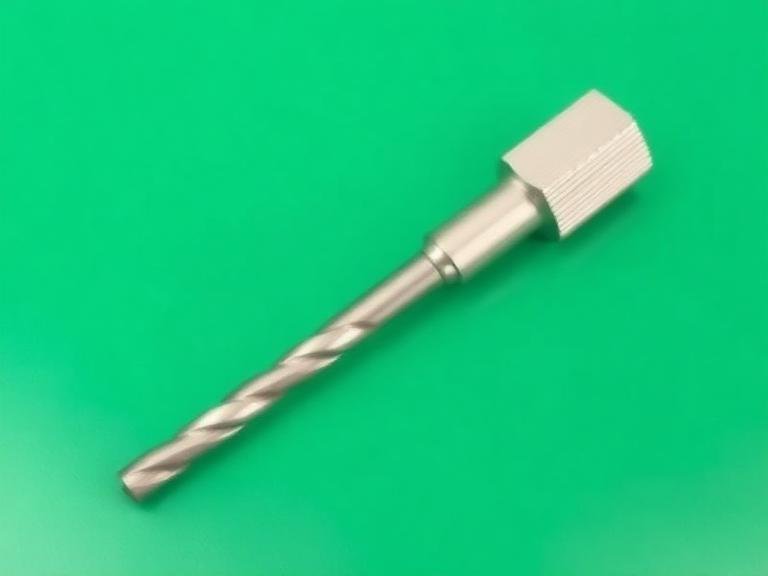
A 1 4 npt thread tap is a specialized cutting tool designed to create internal threads for pipe fittings. Unlike standard fasteners where a 1/4-inch designation refers to the actual diameter of the bolt, the 1/4 in NPT refers to the nominal pipe size (NPS). From our experience, this is the first hurdle for many: the actual outside diameter of a 1/4 NPT pipe fitting is approximately 0.540 inches, which is significantly larger than a quarter of an inch.
The term Tap refers to the tool used to cut the internal threads (female), while the thread itself follows the NPT standard. We recommend that engineers always distinguish between nominal sizing and actual dimensions to avoid catastrophic errors in the pre-drilling phase of production.
The Mechanics of National Pipe Taper (NPT)
The NPT standard is governed by ANSI/ASME B1.20.1. What makes a 1 4 npt thread tap unique is its tapered profile. The threads are cut at a 1.7899-degree angle (or a 1:16 taper ratio) relative to the center axis. This taper serves a critical functional purpose: as the male fitting is screwed into the female threaded hole, the threads compress against one another.
From our experience, this metal-to-metal interference fit is designed to create a seal by flattening the crests and roots of the threads into each other. However, because a spiral leak path can still exist, we recommend the use of a thread sealant, such as PTFE tape or pipe dope, to ensure a high-pressure seal. This is a fundamental difference compared to straight threads (NPS), which rely on gaskets or O-rings for sealing.
Technical Specifications and Dimensions
When utilizing a 1 4 npt thread tap, the machinist must adhere to specific technical parameters. For this size, the standard pitch is 18 threads per inch (TPI). This means the distance between each thread crest is exactly 0.0555 inches. The 60-degree thread angle ensures structural integrity under high stress.
At MisolTap, we integrate R&D and production to ensure our 1 4 npt thread tap products maintain these tolerances with microscopic accuracy. Whether you are using an IOS-529 Thread Tap or a DIN371 Thread Tap for different localized standards, the fundamental NPT geometry remains the same when designated for North American pipe standards.
Pre-Drilling: The Critical Foundation
The success of any tapping operation depends on the quality of the pilot hole. Because the 1 4 npt thread tap is tapered, the hole preparation is more complex than standard tapping. If the hole is too small, the tap will face excessive torque and likely break. If it is too large, the resulting threads will be shallow and fail under pressure.
For a standard 1 4 npt thread tap, the recommended drill size is typically 7/16 inches (or 11.1 mm). In high-precision environments, we recommend using a tapered reamer after drilling but before tapping. This pre-shapes the hole to match the tap’s taper, significantly reducing the load on the cutting tool and extending the tool’s lifespan.
| Thread Size | Threads Per Inch (TPI) | Actual OD (Inches) | Recommended Drill Size | Taper Ratio |
|---|---|---|---|---|
| 1/4-18 NPT | 18 | 0.540″ | 7/16″ (11.1mm) | 1 in 16 |
The MisolTap Manufacturing Advantage
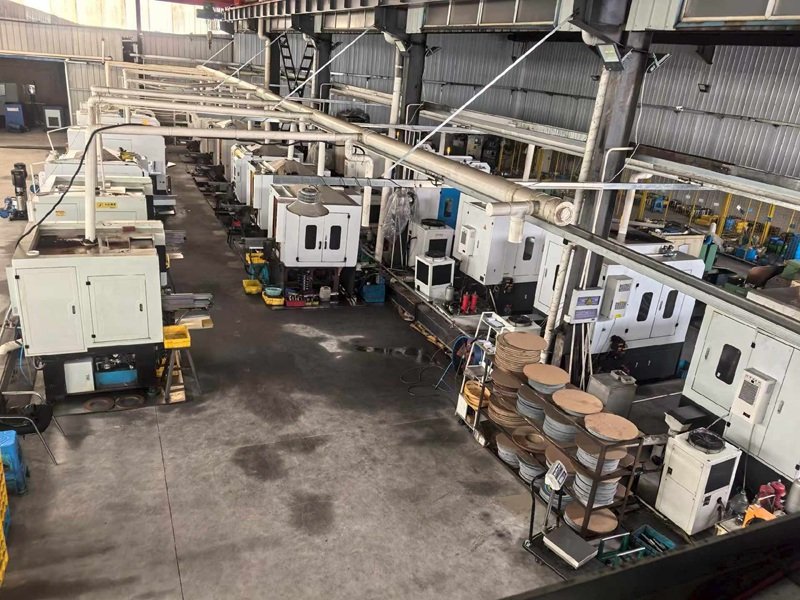
Since 2005, MisolTap has established itself as a leading Chinese manufacturer of high-performance thread cutting tools. We do not just manufacture tools; we provide threading solutions. Our 1 4 npt thread tap designs benefit from our seamless operation of R&D and global sales.
We recommend our clients consider the material of the workpiece when selecting a tap. For instance:
- IOS-529 Thread Tap: Ideal for international projects requiring compliance with ISO standards across various materials.
- DIN371 Thread Tap: Features a reinforced shank, making it perfect for machine tapping in tough materials where stability is paramount.
- JIS Thread Tap: Tailored for the Japanese Industrial Standards, often utilized in specific automotive and electronic manufacturing sectors.
Expert Machining Practices
From our experience, tool breakage is rarely the result of a defective tool and almost always the result of improper technique. When using a 1 4 npt thread tap, follow these professional recommendations:
- Lubrication is Non-Negotiable: Use a high-quality cutting oil. Tapered tapping creates more friction than straight tapping because the entire length of the tap eventually engages with the material.
- Reverse Frequently: If tapping manually, reverse the tap every half-turn to break the chips. This prevents chip packing, which is the primary cause of tap failure.
- Depth Control: NPT threads are depth-sensitive. Tapping too deep will result in a fitting that screws in too far and fails to seal. Tapping too shallow will prevent the fitting from engaging enough threads. We recommend using a thread gauge to verify the L1 (hand-tight) engagement length.
Summary Specification Table
| Parameter | Requirement for 1/4 NPT |
|---|---|
| Tool Type | Tapered Pipe Tap |
| TPI (Pitch) | 18 |
| Angle | 60 Degrees |
| Material Options | HSS, HSS-E (Cobalt), Carbide |
| Industry Usage | Oil, Gas, Pneumatics, Hydraulics |
Frequently Asked Questions
Industry References
- ASME B1.20.1 – Pipe Threads, General Purpose (Inch)
- ISO 7-1: Pipe threads where pressure-tight joints are made on the threads
- MisolTap Internal Engineering Database (2005-2026)
As a leading Chinese manufacturer, MisolTap continues to innovate in the field of thread cutting. Our commitment to robust and precise threading solutions ensures that every 1 4 npt thread tap we produce meets the demanding needs of modern manufacturing. Whether you are in R&D or full-scale production, we recommend choosing tools that reflect the precision of your own engineering.
Would you like me to help you select the specific material coating for your next batch of 1 4 npt thread tap orders based on your workpiece hardness?