
Machinists and fabricators snap threading tools every single day because they rely on a dirty, thirty-year-old reference chart bolted to the shop wall. They look at the desired thread, grab the single fractional drill bit listed next to it, and force the tool into the workpiece. From our experience, blindly accepting standard chart recommendations without analyzing the specific machining environment is the fastest way to destroy expensive tooling and scrap high-value parts.
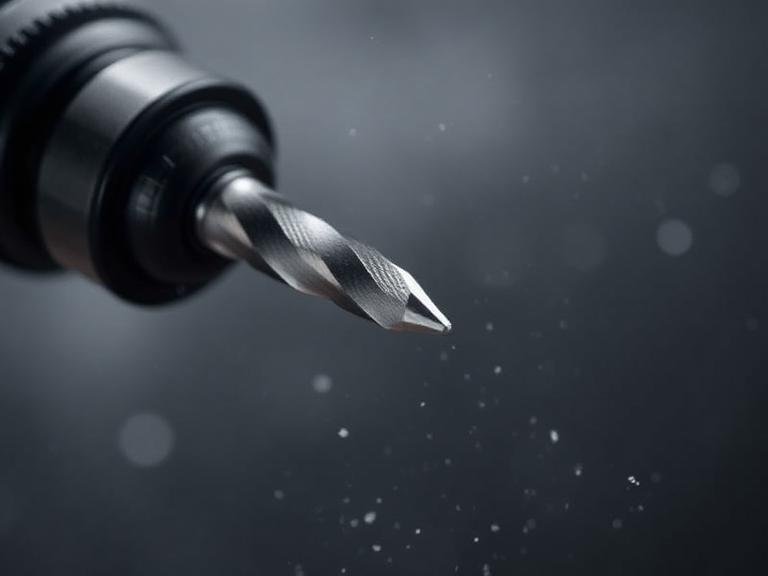
Selecting the correct tap drill size is not a static rule; it is a dynamic engineering calculation. It dictates the minor diameter of your internal thread, which in turn controls the percentage of thread engagement, the torque required to drive the tool, and the ultimate pull-out strength of the fastener. If you drill the hole too small, your tool will bind, gall, and shatter. If you drill the hole too large, your fastener will strip out under tension. In most professional situations, you must manipulate the drill size based on material hardness, tool geometry, and mechanical intent.
Quick Answer: How to Find the Correct Tap Drill Size
The standard formula for calculating a cutting tap drill size is: Drill Size = Tap Diameter – (Pitch * Percentage of Thread Engagement). While standard charts assume a 75% thread engagement, we recommend dropping to a 60% to 65% engagement for hard materials (like stainless steel or titanium) to prevent tool breakage, as a 60% thread still retains over 90% of the maximum theoretical fastener strength. Form taps (roll taps) require significantly larger drill sizes than cutting taps because they displace material rather than removing it.
Table of Contents
- What It Is: The Mechanics of Hole Preparation
- How It Works: Thread Percentage Explained
- 1. Desired Thread Percentage
- 2. Workpiece Material Machinability
- 3. Tap Tool Geometry (Cut vs. Form)
- 4. Hole Depth and Chip Evacuation
- 5. Thread Fit and Class Requirements
- 6. Machine Setup and Rigidity
- 7. Fluid Dynamics and Lubricity
- Benefits of Optimizing Your Pre-Drill Size
- Limitations and Trade-Offs
- Who Should Use Calculated Sizes
- Common Mistakes We See
- Buying Considerations
- Expert Recommendation
- Frequently Asked Questions
What It Is: The Mechanics of Hole Preparation
The correct tap drill size represents the exact diameter a hole must be bored to before threading operations begin. It establishes the minor diameter (the innermost root) of an internal thread. When you drive a tap into this pre-drilled hole, the tool cuts or forms the remaining material to create the major diameter (the crests of the internal thread). The difference between the pre-drilled hole diameter and the tool’s major diameter determines how much material the tool must process.
How It Works: Thread Percentage Explained
When you select a drill bit, you are actively deciding the “percentage of thread engagement.” A 100% thread means the internal thread crests are fully formed to their maximum theoretical height, perfectly mirroring the external fastener. However, cutting a 100% thread requires exponentially higher torque, dramatically increasing the risk of tool fracture. In our testing across thousands of machining cycles, the metalworking industry standard defaults to a 75% thread engagement. This provides optimal holding power while leaving enough clearance at the root of the external thread to accommodate manufacturing tolerances.
1. Desired Thread Percentage
The first and most critical factor is determining the actual thread percentage your application requires. As an industry practitioner, you must understand the torque-to-strength ratio. Moving from a 60% thread engagement to a 100% thread engagement requires roughly three times the machine torque, yet it only increases the fastener’s ultimate tensile strength by about 5%. For heavy-duty commercial users, we routinely recommend sizing up the drill bit to achieve a 60% to 65% thread engagement when machining hardened alloys. This minor adjustment virtually eliminates tool breakage while maintaining full structural integrity.
| Thread Percentage | Torque Required | Tensile Strength Retention | Primary Use Case |
|---|---|---|---|
| 50% – 60% | Low | 85% – 90% | Hardened steels, titanium, deep blind holes. |
| 65% – 75% | Moderate | 95% – 98% | Standard industry target; mild steel, aluminum. |
| 80% – 100% | Extreme | 100% | Thin sheet metal, soft plastics, specialized aerospace. |
2. Workpiece Material Machinability
The metallurgical properties of your workpiece heavily dictate your drill size selection. Materials like 304 stainless steel, Inconel, and titanium exhibit severe work-hardening characteristics. If you drill the hole slightly undersized in these materials, the threading tool acts like a broach, binds in the hardened surface layer, and snaps. For these tough applications, integrating a heavy duty tap and drill combination with an oversized pre-drill is mandatory. Conversely, highly machinable materials like brass, cast iron, or soft aluminum generate low cutting forces, allowing you to use a smaller drill bit for a higher thread percentage without risking tool failure.
3. Tap Tool Geometry (Cut vs. Form)
You must drastically alter your drill size based on the specific geometry of the tool. Cutting taps feature flutes that shear metal away to create chips. Form taps (also known as roll taps or cold-forming taps) have no flutes; they use lobed geometries to cold-forge the metal, displacing it outward to form the thread crests. Because a form tap does not remove material, it requires a significantly larger starting hole. Using a standard cutting tap drill chart for a forming tap will result in instant tool destruction. Understanding the mechanical differences in plug tap vs thread tap geometries is also crucial for determining how the tool enters the hole.
4. Hole Depth and Chip Evacuation
Tapping a shallow, through-hole is highly forgiving. Tapping a blind hole deeper than 1.5 times the tool’s diameter is a chip evacuation nightmare. As the tool cuts deeper, chips pack into the flutes. If the pre-drilled hole is too tight, the volume of chips exceeds the flute capacity, causing the tool to seize. For deep blind holes, we always recommend calculating a larger correct tap drill size (aiming for 60% engagement) to reduce the sheer volume of metal removed and to provide additional clearance for chip flow.
5. Thread Fit and Class Requirements
Different engineering assemblies require different classes of fit. A standard commercial fastener utilizes a Class 2B internal thread, which allows for moderate clearance. Aerospace and precision automotive components often specify a Class 3B fit, representing a tight, zero-clearance tolerance. When machining a Class 3B thread, your drill size must be meticulously controlled—often requiring the hole to be drilled undersized and then precision-reamed to the exact minor diameter before threading begins. This applies across all profiles, including specialized plumbing profiles where calculating the precise 3/8 pipe thread tap size ensures leak-proof interference fits.
6. Machine Setup and Rigidity
The rigidity of your machining setup heavily influences drill performance. A rigid CNC machining center with a synchronized rigid-tapping cycle drives the tool perfectly perpendicular to the workpiece with zero lateral runout. This allows you to push for tighter tolerances and smaller drill sizes. However, if you are tapping by hand using a manual wrench, human error introduces side-loading. For manual operations, drilling slightly larger than the chart recommends provides a safety margin against angular misalignment. Learning exactly how to use a thread tap properly with a hand drill minimizes the risk of bell-mouthing the hole entrance.
7. Fluid Dynamics and Lubricity
Coolant does more than just lower temperatures; it flushes chips and provides lubricity at the cutting edge. Poor lubrication causes micro-welding (galling), where workpiece material adheres to the tool’s flanks. This artificially increases the tool’s diameter, causing it to wedge tightly in the pre-drilled hole. When tapping materials prone to galling (like aluminum), ensuring proper coolant concentration allows you to maintain standard drill sizes. Furthermore, specifying the best material for thread taps—such as advanced coated carbides or powdered metallurgy HSS—reduces friction and friction-induced expansion within the hole.
Since our founding in 2005, MisolTap has established itself as a leading Chinese manufacturer of high-performance thread cutting tools. We integrate R&D, production, and global sales into a seamless operation, providing our clients with robust and precise threading solutions tailored to modern manufacturing needs.
Benefits of Optimizing Your Pre-Drill Size
When you stop guessing and start calculating the correct tap drill size based on these seven factors, the commercial benefits are immediate. You will experience extended tool life, fewer machine stoppages for broken tool extraction, and superior thread finishes. Optimizing the hole diameter reduces the spindle load on your CNC machinery, allowing for faster cycle times and increased production throughput. By partnering with premium thread tap manufacturers and dialing in your drill sizes, you transition from reactive troubleshooting to proactive process control.
Limitations and Trade-Offs
The primary limitation of adjusting drill sizes is the risk of falling out of engineering spec. If you drill too large in an attempt to save tool life, the resulting thread will fail pull-out testing, rendering the part defective. Furthermore, achieving precise percentages often requires purchasing non-standard wire gauge, letter, or metric drill bits, rather than relying on standard fractional sets. It requires a higher initial investment in tooling inventory.
| Approach | Pros | Cons |
|---|---|---|
| Using Standard Wall Charts | Fast, easy reference; uses common fractional drill bits. | Ignores material hardness; high risk of tool breakage in deep holes. |
| Custom Calculating Drill Sizes | Maximizes tool life; prevents scrapped parts; optimizes machine torque. | Requires math; demands non-standard letter/number/metric drill bits. |
Who Should Use Calculated Sizes
For commercial users and CNC machinists, calculating the exact drill size based on material and depth is absolutely mandatory. In a production environment where you are tapping hundreds of holes per hour in aerospace alloys or specialized components like those requiring reverse thread taps or a specialized left hand thread tap set, guessing the hole prep is commercial suicide.
Who Does Not Need It
For beginners working on rough carpentry, basic structural steel welding fixtures, or individuals simply repairing damaged threads. If you are cleaning out a rusted bolt hole, you should be utilizing rethreading taps and dies (thread chasers) rather than cutting new threads, meaning pre-drilling calculations are entirely irrelevant for your application.
Common Mistakes We See
In most professional situations, the most devastating mistake is substituting a required letter or number drill bit with the “closest” fractional size. For example, a 1/4-20 tap requires a #7 drill bit (0.2010 inches) for a 75% thread. Machinists often grab a 13/64″ drill (0.2031 inches) or a 3/16″ drill (0.1875 inches) because they lack the #7. The 3/16″ drill results in a massive 100% thread engagement, almost guaranteeing the 1/4-20 tool will snap instantly inside the hole. Precision matters; substitutions do not work in threading mechanics.
Buying Considerations
When selecting your hole preparation tooling, you must align the drill’s capabilities with your threading strategy.
| Workpiece Material | Recommended Drill Type | Strategy Consideration |
|---|---|---|
| Carbon Steels & Cast Iron | Cobalt (M35/M42) or TiN Coated HSS | Standard chart sizing (70%-75% engagement) is usually sufficient. |
| Stainless Steel & Titanium | Solid Carbide with Through-Coolant | Size up the drill bit to target 60%-65% thread engagement to prevent binding. |
| Aluminum & Brass | Polished Flute HSS or Uncoated Carbide | Can handle smaller drill sizes for tighter threads. Beware of chip packing. |
Expert Recommendation
We recommend abandoning the “one size fits all” fractional wall charts immediately. Invest in a comprehensive set of metric, letter, and number drill bits. If you are manufacturing commercial components out of modern alloys, audit your processes and calculate your correct tap drill size to target exactly 65% thread engagement for cutting operations, and ensure you use the specific forming-chart dimensions if you are cold-forming. Stop treating the drill bit as an afterthought; perfect hole preparation is the only way to guarantee threading success.
Frequently Asked Questions
Does a form tap use the same drill size as a cutting tap?
Absolutely not. A form tap requires a significantly larger pre-drilled hole because it displaces metal to create the thread rather than cutting it away. If you use a cutting tap drill size for a forming tap, the tool will instantly seize and break.
What happens if my tap drill size is too small?
If the hole is drilled too small, the threading tool must remove a massive volume of material, creating a thread engagement near 100%. This drastically spikes the torque load on the tool, packs the flutes with excess chips, and almost inevitably results in the tool snapping inside the workpiece.
Is a 100% thread engagement stronger than a 75% thread engagement?
Technically yes, but the strength increase is negligible. Moving from 75% to 100% thread engagement only increases the sheer strength of the fastener by about 5%, but requires roughly three times the machining torque, making it a highly inefficient and dangerous engineering practice.