
Written by MisolTap
Replacing an oxygen sensor should be a straightforward maintenance task, but automotive technicians and DIY mechanics frequently encounter a severe mechanical hurdle: thread galling. Due to extreme thermal cycling, carbon buildup, and metallurgical bonding within the exhaust manifold, removing an old sensor often strips or damages the internal mounting threads. When this occurs, sourcing the best thread taps for o2 sensor restoration is the only way to salvage the exhaust pipe or catalytic converter housing.
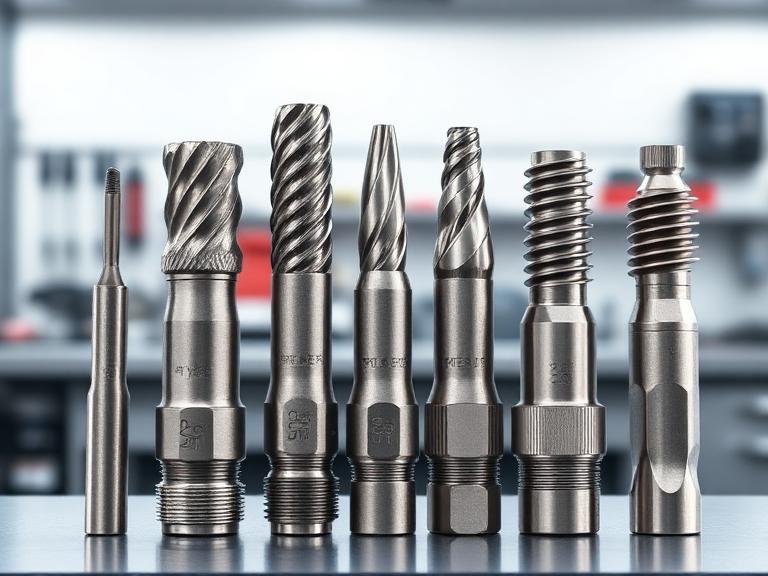
In this authoritative guide, we will analyze the engineering requirements for exhaust threading, review the 6 best thread taps for o2 sensor applications available in 2026, and provide professional insights on how to restore damaged threads without replacing the entire exhaust assembly.
Table of Contents
Summary Table: Top Thread Taps for O2 Sensor
We have curated a summary matrix of the highest-performing thread taps for o2 sensor repairs, categorized by their specific mechanical advantages and intended applications.
| Rank | Tool Type / Model | Thread Specification | Primary Material | Best Application |
|---|---|---|---|---|
| 1 | MisolTap Premium HSS Machine Tap | M18 x 1.5 | High-Speed Steel (HSS) | Cutting new threads in fabricated exhaust bungs |
| 2 | TiN-Coated Thread Chaser | M18 x 1.5 | Titanium Nitride Coated HSS | Cleaning and realigning mildly damaged threads |
| 3 | Low-Profile Stubby O2 Tap | M18 x 1.5 | Alloy Carbon Steel | Repairing threads in tight clearances under the vehicle |
| 4 | MisolTap Heavy-Duty Hand Tap | M18 x 1.5 | High-Speed Steel (HSS) | Manual repair of heavily galled manifold threads |
| 5 | Dual-Purpose Spark Plug/O2 Tap | M14 x 1.25 / M18 x 1.5 | Carbon Steel | General automotive maintenance and mobile toolkits |
| 6 | Precision Motorcycle O2 Tap | M12 x 1.25 | High-Speed Steel (HSS) | Powersports, ATV, and motorcycle exhaust systems |
Understanding O2 Sensor Thread Specifications
Before selecting the best thread taps for o2 sensor repair, you must understand the global standardization of these components. The overwhelming majority of passenger vehicles, light trucks, and commercial transport vehicles utilize an M18 x 1.5 metric thread for their oxygen sensors. This specific pitch allows for a robust mechanical grip capable of withstanding severe exhaust backpressure and vibration.
For specialized powersports applications, such as high-performance motorcycles or ATVs, manufacturers occasionally utilize a smaller M12 x 1.25 specification. From our experience, attempting to force a standard tap into a mismatched bung will permanently destroy the exhaust housing. We recommend always verifying your sensor dimensions against a certified tap and drill size chart before commencing any cutting operations.
In-Depth Review: The 6 Best Thread Taps for O2 Sensor
1. MisolTap Premium HSS M18x1.5 Machine Tap
When fabricating custom exhaust systems or welding new bungs onto a downpipe, you require a tool capable of cutting virgin metal. The MisolTap Premium HSS Machine Tap is the absolute best thread taps for o2 sensor installation from scratch. Manufactured from premium High-Speed Steel, this tool evacuates metal swarf efficiently and maintains its cutting edge even when tapping through 304 or 316 stainless steel. If you are debating between manual and automated tools, our guide on the machine tap vs hand tap provides excellent context on why HSS machine taps offer superior longevity.
2. Titanium-Coated (TiN) M18x1.5 Thread Chaser
A thread chaser is fundamentally different from a cutting tap. Instead of removing metal to create new threads, a chaser is designed to clean, realign, and reform existing threads that have been flattened or galled by carbon buildup. Coated with Titanium Nitride (TiN) for reduced friction and increased surface hardness, this is the most frequently used tool in professional diagnostic bays. For a deeper understanding of restoration tooling, we recommend reading our article on rethreading taps and dies.
3. Low-Profile Stubby O2 Sensor Tap
Modern engine bays and exhaust tunnels leave virtually zero clearance for traditional tap wrenches. The Low-Profile Stubby O2 Tap features a shortened shank and a hex-drive head, allowing technicians to turn the tool using a standard 3/8-inch drive ratchet or a low-profile wrench. This design makes it one of the most practical thread taps for o2 sensor repair when removing the entire exhaust manifold is not economically viable.
4. MisolTap Heavy-Duty Carbon Steel Hand Tap
If you are a DIY mechanic facing a one-time repair, a heavy-duty carbon steel hand tap offers an excellent balance of cost and performance. While carbon steel does not possess the thermal resistance of HSS, it is more than capable of clearing a single damaged M18x1.5 bung. We categorize this as an essential bottoming tap, ideal for pushing through debris at the base of the sensor mount. To understand the different tap profiles, review our technical breakdown of the plug tap vs thread tap.
5. Dual-Purpose Spark Plug and O2 Sensor Tap
For mobile mechanics requiring versatile toolkits, the dual-purpose tap features an M14x1.25 thread on one end (standard for spark plugs) and an M18x1.5 thread on the opposite end (standard for O2 sensors). This double-ended configuration saves space and weight, though we recommend using it primarily for light chasing rather than cutting fresh threads into hardened steel.
6. M12x1.25 Precision Tap (For Motorcycles/Specialty)
As mentioned, powersports applications utilize a smaller sensor profile. The M12x1.25 precision tap is engineered specifically for thin-walled titanium or aluminum motorcycle headers. Precision is non-negotiable here, as cracking a titanium header results in catastrophic replacement costs.
Expert Guide: Material and Tool Selection
Selecting the best thread taps for o2 sensor repair requires an understanding of metallurgy. Exhaust manifolds operate in environments exceeding 1,200°F (650°C), causing the steel to harden over time. When selecting your tool, the base material is critical. We invite you to explore our comprehensive analysis of the best material for thread taps to understand why we prioritize High-Speed Steel (HSS) over high-carbon alternatives for professional use.
Furthermore, reverse-threading scenarios occasionally arise in specialized industrial exhaust routing. In such rare instances, securing a reliable left hand thread tap set ensures you are prepared for non-standard mounting configurations. While O2 sensors are universally right-hand thread, maintaining a comprehensive tool crib is the hallmark of a master technician.
How to Properly Restore Exhaust Threads
Possessing the finest thread taps for o2 sensor restoration is useless without the correct operational technique. From our experience, impatience is the leading cause of broken taps. A broken high-speed steel tap stuck inside an exhaust bung is a nightmare scenario that usually requires electrical discharge machining (EDM) to extract.
We recommend thoroughly reading our foundational guide on how to use a thread tap safely. When dealing with exhaust bungs, follow these expert steps:
- Lubrication is Mandatory: Never attempt to cut or chase an exhaust thread dry. Use a high-quality cutting fluid or anti-seize compound specifically formulated for high-friction environments.
- Alignment: Ensure the tap is perfectly perpendicular to the bung. Cross-threading with a tap will permanently destroy the mounting port.
- The Quarter-Turn Method: Advance the tap clockwise for half a turn, then back it out counter-clockwise for a quarter turn. This action breaks the metal chips (swarf) and prevents the tap from binding. For a broader overview of manual tapping, consult our guide on how to tap threads in metal.
- Clean the Port: Once the threads are restored, use compressed air to blow out any remaining metal shavings to prevent them from damaging the delicate zirconium dioxide element of the new oxygen sensor.
Frequently Asked Questions (FAQs)
Authoritative References
To ensure our machining guidelines meet global engineering standards, we recommend consulting the following authoritative manufacturing resources: