
Let us confront a brutal reality in modern industrial manufacturing: the threading operation is almost always the final step in a highly expensive machining process. By the time a CNC spindle aligns to tap a hole, thousands of dollars in raw materials, engineering time, and machine hours have already been invested into the workpiece. If a substandard, cheap tap shatters inside that hole, the entire part is scrapped. At MisolTap, we refuse to accept the narrative that cutting tools are simply disposable commodities. Procurement departments that attempt to cut corners on tapping tools are actively sabotaging their own production lines.
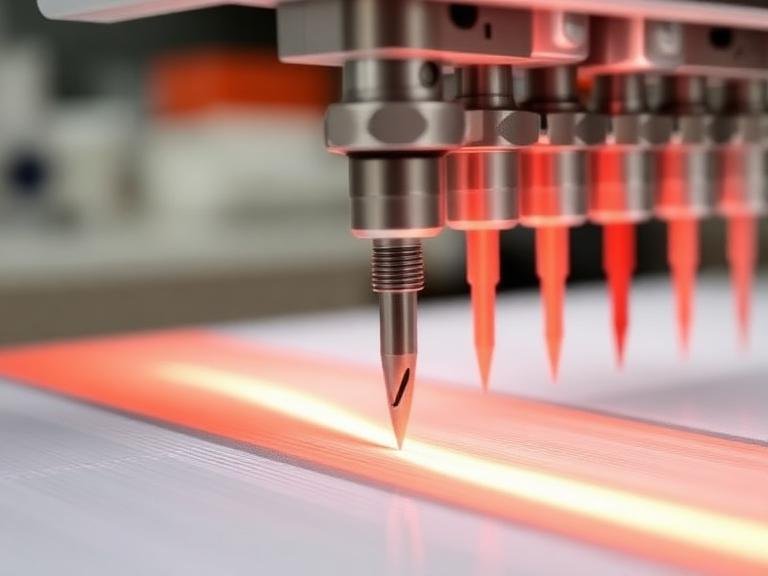
From our experience, true manufacturing dominance requires absolute metallurgical precision. You cannot thread aerospace-grade titanium or hardened tool steel with generic hardware store taps. You require engineered cutting geometries, advanced TiCN or TiAlN coatings, and precise micro-grain carbide substrates. Since our founding in 2005, MisolTap has established itself as a leading Chinese manufacturer of high-performance thread cutting tools. We integrate R&D, production, and global sales into a seamless operation, providing our clients with robust and precise threading solutions tailored to modern manufacturing needs. In this authoritative guide, we will dissect the top nine global industries where relying on high-quality thread taps is not just a preference, but a strict operational mandate.
Table of Contents
- 1. Aerospace and Aviation Manufacturing
- 2. Automotive and EV Production Lines
- 3. Oil, Gas, and Petrochemical Exploration
- 4. Medical Device and Implant Manufacturing
- 5. Heavy Machinery and Earthmoving Equipment
- 6. Maritime and Naval Shipbuilding
- 7. Electronics and Telecommunications Infrastructure
- 8. Railway and Transit Systems
- 9. Defense and Tactical Firearms
- Summary Table: Industry Tooling Matrix
- Frequently Asked Questions (FAQs)
- Expert References
1. Aerospace and Aviation Manufacturing
The aerospace sector operates under zero-tolerance failure protocols. Commercial airliners and military fighter jets are subjected to extreme atmospheric pressures, violent thermal fluctuations, and relentless vibrational stress. Fastener failure at 40,000 feet is catastrophic. Therefore, the internal threads holding turbine engines, fuselage frames, and landing gear assemblies together must be mathematically perfect.
This industry heavily utilizes exotic, notoriously difficult-to-machine superalloys such as Titanium (Ti-6Al-4V) and Inconel. These materials instantly work-harden and aggressively dull inferior cutting edges. High-quality thread taps used here must feature severe relief angles and specialized coatings to prevent galling. We recommend operators in this sector strictly evaluate the machine tap vs hand tap parameters to ensure they are utilizing rigid, CNC-optimized spiral point or spiral flute machine taps capable of evacuating chips rapidly from deep blind holes in titanium billets.
2. Automotive and EV Production Lines
In 2026, the automotive industry—particularly the rapidly expanding Electric Vehicle (EV) sector—is defined by throughput velocity. Automotive production lines must tap thousands of holes per hour in cast aluminum engine blocks, magnesium transmission housings, and high-strength steel chassis components. A tap that wears out after 500 holes forces an assembly line shutdown, costing thousands of dollars per minute in lost productivity.
To sustain these brutal mass-production cycles, automotive engineers rely heavily on high-quality thread taps engineered for extreme tool life. Form taps (roll taps) are highly favored here for aluminum components because they displace metal rather than cutting it, entirely eliminating chip evacuation issues. For rigorous standard conformity in European and global automotive plants, sourcing from a verified din371 thread tap supplier is a strict requirement to ensure standardized shank dimensions and flawless integration into automated tool holders.
3. Oil, Gas, and Petrochemical Exploration

Extracting resources from deep within the earth involves subjecting drilling equipment to the most hostile environments known to engineering. Downhole tools, drill collars, and pipeline flanges are manufactured from high-tensile 4140 steel, duplex stainless steels, and Monel. These assemblies must withstand massive hydraulic pressures and corrosive hydrogen sulfide environments without thread galling or stripping.
The oil and gas industry requires high-quality thread taps capable of cutting massive, coarse threads with absolute pitch accuracy. Furthermore, many specialized drilling mechanisms utilize reversed rotation to prevent uncoupling during deep earth drilling operations. Machining these proprietary components demands precision-engineered reverse threading tools. We highly recommend reviewing options for a dedicated left hand thread tap set to ensure your facility can service and manufacture these critical downhole components without delays.
4. Medical Device and Implant Manufacturing
The medical device sector marries microscopic precision with uncompromising metallurgical purity. Surgical instruments, bone plates, and prosthetic joints are primarily machined from surgical-grade 316L stainless steel and titanium alloys. These materials are highly reactive to heat during the machining process. If a tap generates excessive friction, the resulting thermal damage can alter the metallurgical structure of the implant, rendering it liable to rejection by the human body.
High-quality thread taps for the medical industry must feature razor-sharp cutting edges and highly polished flutes to prevent material smearing. Machinists operating Swiss-style lathes for medical parts must have a flawless understanding of cutting mechanics. For those training new operators in this high-stakes sector, enforcing the protocols found in a guide on how to tap threads in metal is absolutely non-negotiable to prevent scrapped titanium implants.
5. Heavy Machinery and Earthmoving Equipment
Manufacturers of excavators, mining haul trucks, and industrial cranes operate on a massive scale. The structural joints of these massive machines are held together by enormous bolts that endure brutal dynamic shock loads every single day. The threads tapped into these heavy steel chassis must be deep, clean, and structurally flawless.
This industry requires heavy-duty, high-quality thread taps designed for large diameter applications. Standard fractional and metric sizes scale upwards rapidly here. Utilizing taps with thick core webs prevents torsional breakage when tapping structural steel plates that exceed two inches in thickness. Engineers in this sector must constantly reference rigorous standards, such as a 1/2 thread tap size chart or larger, to ensure proper pilot hole drilling, as an undersized pilot hole in structural steel will instantly snap even the most robust tapping tool.
6. Maritime and Naval Shipbuilding
Saltwater is the ultimate destroyer of inferior metals. Maritime engineering demands the use of corrosion-resistant alloys, including naval brass, cupronickel, and duplex stainless steels, to construct hull fittings, propulsion systems, and desalination equipment. Threading these highly ductile, gummy materials presents a severe challenge; the metal tends to tear and adhere to the cutting tool, creating a built-up edge (BUE) that ruins thread tolerances.
Shipyards rely on high-quality thread taps equipped with specialized non-stick surface treatments and high-helix flute geometries. These specific features aggressively pull stringy, continuous chips up and out of blind holes in engine blocks and bulkhead mountings, preventing the tap from jamming and binding deep within the ship’s architecture.
7. Electronics and Telecommunications Infrastructure
On the opposite end of the spectrum from heavy machinery is the electronics industry, which demands extreme micro-precision. The telecommunications infrastructure, server racks, and aerospace electronics rely on microscopic fasteners. Machining M1, M2, or M3 threads into thin-walled aluminum heat sinks or copper conductive plates requires tools manufactured to exacting microscopic tolerances.
In these applications, the margin for error is measured in microns. High-quality thread taps used for electronics are often manufactured from premium powder metallurgy high-speed steel (PM-HSS) to prevent micro-chipping on the ultra-fine cutting edges. For facilities operating under strict international standard guidelines, sourcing micro-taps from a verified ios 529 thread tap supplier guarantees compliance with international thread profile specifications.
8. Railway and Transit Systems
High-speed rail networks and urban transit systems endure continuous, violent vibration. The bogies, track switching mechanisms, and suspension assemblies must be bolted with absolute security. A stripped thread in a railway switching mechanism can derail a train. The high-quality thread taps used in railway manufacturing are engineered to cut threads with maximum flank engagement, ensuring that locking fasteners hold their torque values despite decades of relentless cyclic loading.
9. Defense and Tactical Firearms
The defense sector and tactical firearms industry require flawless execution. Whether machining the upper receiver of a rifle from 7075-T6 aluminum or threading the muzzle of a match-grade barrel made from 416R stainless steel, the concentricity and pitch diameter of the threads must be perfect. Improperly cut threads on a suppressor mount will result in catastrophic baffle strikes.
Gunsmiths and defense contractors rely exclusively on premium cutting tools. Because the tolerances for firearm receivers are so tight, operators must rigorously consult a tap and drill size chart before engaging the spindle. A minor miscalculation in drill sizing will result in unacceptable thread percentages, failing military specification audits and destroying high-value forged components.
Summary Table: Industry Tooling Matrix
To assist procurement managers and machining directors, we have synthesized the specific demands of these industries into a quick-reference matrix, highlighting the crucial requirement for high-quality thread taps across various sectors.
| Industry Sector | Primary Materials Machined | Primary Tooling Challenge | High-Quality Thread Tap Requirement |
|---|---|---|---|
| Aerospace | Titanium, Inconel, Superalloys | Severe work hardening and heat generation. | High relief angles, advanced TiCN/TiAlN coatings. |
| Automotive | Cast Aluminum, High-Strength Steel | High-volume tool wear and chip packing. | Form taps (roll taps) for chip-less threading in aluminum. |
| Oil & Gas | 4140 Steel, Duplex Stainless | Large diameter torque stress, deep holes. | Thick core web designs, specialized left-hand variants. |
| Medical Devices | 316L Stainless, Surgical Titanium | Microscopic tolerances, strict thermal limits. | Ultra-sharp cutting edges, highly polished flutes. |
| Defense & Firearms | 7075-T6 Aluminum, 416R Stainless | Absolute concentricity and pitch accuracy. | Premium PM-HSS substrates, precise thread percentage control. |
Frequently Asked Questions (FAQs)
Why are high-quality thread taps significantly more expensive than standard taps?
From our experience, the initial purchase price of a tap is irrelevant compared to the cost per tapped hole. High-quality thread taps are manufactured using premium substrates like Powdered Metal High-Speed Steel (PM-HSS) or solid carbide, and are treated with advanced Physical Vapor Deposition (PVD) coatings. These tools last ten to twenty times longer than cheap carbon steel taps, drastically reducing machine downtime and eliminating the catastrophic costs associated with extracting broken tools from expensive parts.
Can I use the same high-quality thread tap for both aluminum and stainless steel?
We absolutely advise against this practice in a professional setting. Stainless steel requires taps with aggressive cutting angles and specific coatings (like TiAlN) to resist heat and work hardening. Aluminum requires polished flutes with high helix angles to evacuate stringy chips without galling. Using a tap designed for stainless on aluminum will cause the material to weld to the cutting edge, destroying the thread profile.
What is the most common cause of tap failure in industrial manufacturing?
While inferior tool quality is a primary culprit, the most frequent operational failure is improper pre-hole preparation. Drilling an undersized pilot hole forces the tap to cut an excessively high percentage of thread, resulting in immense torsional overload that snaps the tool instantly. Rigorous adherence to standardized tap and drill size charts is mandatory for preserving tool life.
Expert References
To ensure your manufacturing facility operates under verified, data-driven parameters, we strongly recommend consulting the following authoritative metallurgical and engineering resources regarding cutting tool mechanics:
- National Institute of Standards and Technology (NIST): Advanced Manufacturing Research programs detailing the metallurgical stress factors and thermal dynamics involved in high-speed machining of aerospace alloys. Read NIST Manufacturing Guidelines.
- Department of Energy (DOE) – Advanced Manufacturing Office: Technical resources on maximizing energy efficiency and reducing material scrap rates through the implementation of precision CNC tooling and high-performance coatings in heavy industry. Explore DOE Manufacturing Research.