
In the high-stakes world of industrial machining, supply chain efficiency is just as critical as tool geometry. Sourcing cutting tools used to be a rigid process dominated by regional distributors and thick print catalogs. Today, procurement managers and CNC shop owners are bombarded with digital options, fracturing the landscape into two distinct procurement models: massive online B2B marketplaces and direct-to-factory partnerships.
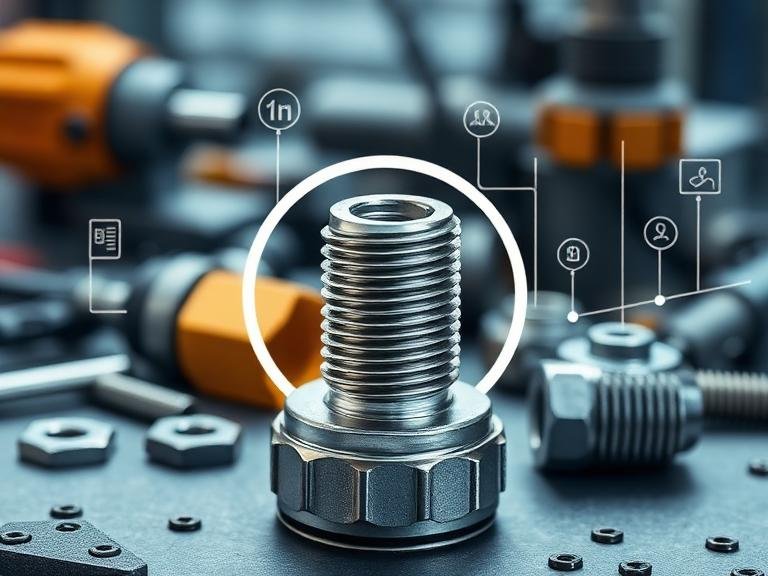
From our experience engineering cutting tools for over two decades, we have watched the market flood with intermediaries. While online marketplaces promise unparalleled convenience, they often obscure the true origin and metallurgical quality of the tools they sell. Treat your tooling procurement as a strategic asset, not a generic commodity. In this comprehensive guide, we will dissect the realities of B2B thread tap sourcing, brutally compare the marketplace model against direct factory relationships, and explain which route is actually worth your time and capital.
Quick Answer: Which B2B Thread Tap Sourcing Method is Better?
In most professional situations, direct factory sourcing is unequivocally superior for medium-to-large CNC operations, automotive manufacturers, and aerospace machinists. Partnering directly with a factory guarantees consistent metallurgical quality, exact geometry customization, and lower Cost-Per-Tapped-Hole (CPTH) by eliminating middleman markups. Conversely, online marketplaces are only recommended for hobbyists, small MRO (Maintenance, Repair, and Operations) workshops, or emergency one-off purchases where immediate availability trumps long-term tool life and precision.
Table of Contents
- What is B2B Thread Tap Sourcing?
- How the Two Sourcing Models Work
- The Benefits of Direct Factory B2B Thread Tap Sourcing
- Limitations of Both Sourcing Models
- Who Should Use Direct Factory vs. Marketplaces
- Who Does Not Need Direct Factory Sourcing
- Common Mistakes in B2B Thread Tap Sourcing
- Crucial Buying Considerations for Machinists
- Pros vs Cons and Comparison Tables
- Expert Recommendation from MisolTap
- Frequently Asked Questions (FAQ)
What is B2B Thread Tap Sourcing?
B2B thread tap sourcing is the strategic procurement process where manufacturing entities, machine shops, and industrial distributors acquire thread cutting tools to facilitate their own production lines. Unlike consumer retail, B2B sourcing prioritizes volume pricing, metallurgical consistency, supply chain reliability, and engineering support over fancy packaging.
Today, this procurement process is splitting into two dominant paths. The first is the Online Marketplace Model (e.g., Alibaba, Amazon Business, IndiaMart). These platforms act as digital aggregators, hosting thousands of sellers ranging from genuine manufacturers to third-tier trading companies. The second is the Direct Factory Model, where a machine shop establishes a one-on-one contract with the actual OEM/ODM manufacturer producing the tools, communicating directly with their engineering and export departments.
How the Two Sourcing Models Work
Understanding the mechanics of your supply chain is the first step in optimizing it. When you engage in B2B thread tap sourcing through an online marketplace, you are interacting with a search algorithm. You input your requirements—perhaps looking for a specific 3/8 pipe thread tap size—and the platform presents hundreds of listings. You negotiate through a built-in messaging portal, often speaking to a sales agent who has never stepped foot on a factory floor. The transaction is escrowed, and the goods are shipped. It is transactional and heavily commoditized.
In contrast, direct factory sourcing is highly relational and engineering-driven. You bypass the aggregator portal entirely. When you contact top-tier thread tap manufacturers directly, the process begins with a technical audit. You submit CAD drawings, discuss the specific Rockwell hardness of the workpiece you are machining, and evaluate coating options like TiN or TiAlN. The factory produces sample batches for your specific CNC parameters before moving to bulk production. It is a collaborative engineering process.
The Benefits of Direct Factory B2B Thread Tap Sourcing
Why do industry leaders shun the convenience of marketplaces? Because in high-volume machining, consistency is profitability. Sourcing directly from the factory offers unparalleled advantages:
- Strict Metallurgical Control: A direct factory guarantees that the High-Speed Steel (HSS) or Carbide substrate in batch #100 is identical to batch #1. Marketplaces are notorious for “bait and switch” tactics, where trading companies source from different factories week to week to maximize their own margins.
- Custom Geometry and Coating: Need a highly specialized tool, such as specialized reverse thread taps for a proprietary assembly line? Direct factories engineer the tool to your exact spindle speeds and coolant setups.
- Elimination of Middleman Markups: Trading companies on marketplaces routinely add 30% to 50% margins. Direct sourcing dramatically lowers your Cost-Per-Tapped-Hole (CPTH).
- Direct Technical Support: If a tap breaks prematurely, a marketplace seller will offer a refund. A direct factory engineer will analyze the breakage, ask about your drilling speed for metal, and adjust the flute geometry to solve the root cause.
Limitations of Both Sourcing Models
We apply commercial and practical judgment here: neither system is flawless.
Limitations of Direct Factory Sourcing: The primary hurdle is the Minimum Order Quantity (MOQ). A factory running automated CNC grinding centers cannot afford to set up a production run for five taps. Lead times are also longer initially, as custom tooling and sampling phases take time. Language barriers and time zone differences can also complicate communication if the factory lacks a dedicated global export team.
Limitations of Online Marketplaces: Marketplaces suffer from severe quality dilution. It is incredibly difficult to verify if a seller claiming to use premium powder metallurgy is actually delivering the best material for thread taps. The lack of traceability makes them a liability for aerospace, medical, and automotive sectors where ISO compliance is non-negotiable.
Who Should Use Direct Factory vs. Marketplaces
For Commercial Users and Heavy-Duty Applications: If you are running multi-axis CNC machines producing thousands of parts a week, direct factory B2B thread tap sourcing is mandatory. The predictability of tool wear prevents catastrophic machine downtime. When sourcing a heavy duty tap and drill combination, dealing directly with the OEM ensures the tools are perfectly matched.
For Beginners and MRO Workshops: If you run a small automotive repair shop and just need a standard left hand thread tap set to extract a broken bolt once a month, the online marketplace is perfectly fine. The convenience and low MOQ fit the business model.
Who Does Not Need Direct Factory Sourcing
Hobbyists, DIY mechanics, and small fabrication shops executing low-volume, low-tolerance work do not need direct factory relationships. If you are merely cleaning up damaged threads and need basic rethreading taps and dies, the administrative overhead of opening a direct factory account is entirely unnecessary. Stick to industrial supply catalogs or B2B marketplaces.
Common Mistakes in B2B Thread Tap Sourcing
In our testing and decades of industry observation, we see procurement teams make the same critical errors year after year:
- Buying purely on unit price: A $5 tap that taps 50 holes is significantly more expensive than a $15 tap that taps 500 holes. Focus on CPTH (Cost-Per-Tapped-Hole), not the initial invoice.
- Trusting Marketplace “Manufacturer” Tags: Over 60% of sellers on major B2B platforms listed as “manufacturers” are actually trading companies. They have no control over the heat treatment or grinding processes.
- Failing to specify hole types: Ordering generic taps without consulting the factory on whether you need tools for through-holes or blind holes. Not understanding the plug tap vs thread tap distinction leads to severe chip evacuation failures.
- Ignoring the Pre-Drill: You can buy the best tap in the world, but if you don’t use the correct core drill or understand how to use a thread tap safely, you will break the tool immediately.
Crucial Buying Considerations for Machinists
Before you finalize your B2B thread tap sourcing strategy, run through this commercial checklist:
- Traceability: Can the supplier provide material certs for the high-speed steel or carbide?
- Coating Technologies: Does the factory have in-house PVD coating capabilities to apply TiN, TiCN, or proprietary nano-coatings?
- Lead Times: What is the realistic turnaround for a batch of 5,000 custom taps?
- Quality Assurance: Are they adhering to strict international threading standards, such as DIN, JIS, or ANSI?
Pros vs Cons and Comparison Tables
| Sourcing Model | Pros | Cons |
|---|---|---|
| Direct Factory | Strict QC, lowest volume pricing, custom engineering, consistent metallurgy. | High MOQs, longer initial setup and sampling lead times. |
| Online Marketplaces | Instant purchasing, low/no MOQs, vast variety of standard stock. | High risk of counterfeit materials, middleman markups, inconsistent tool life. |
| Requirement | Online Marketplace | Direct Factory Sourcing |
|---|---|---|
| Volume Needed | 1 – 50 pieces | 500+ pieces |
| Tolerance/Application | General MRO, loose tolerance | Aerospace, Automotive, Medical CNC |
| Custom Geometry | Rarely available | Fully engineered to blueprint |
| Cost Efficiency | Poor at scale (trading margins) | Excellent (direct wholesale) |
Expert Recommendation from MisolTap
From our experience consulting with major manufacturing hubs globally, we take a hardline stance: if you are running a commercial CNC operation, relying on online marketplace algorithms to source your cutting tools is an unacceptable operational risk. The future of B2B thread tap sourcing lies in transparent, digitally-connected, direct-to-factory partnerships.
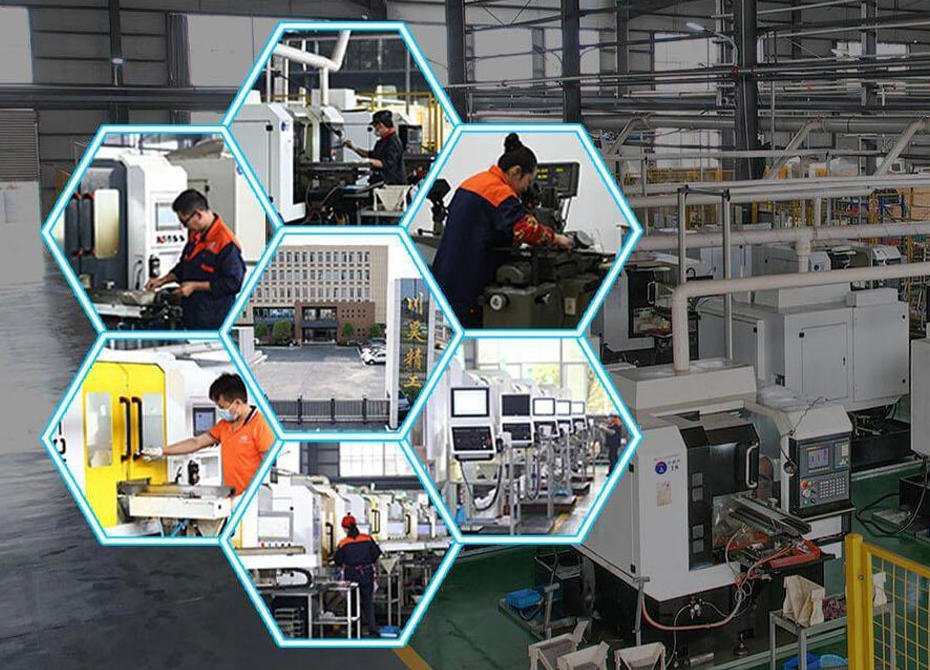
Since our founding in 2005, MisolTap has established itself as a leading Chinese manufacturer of high-performance thread cutting tools. We bypass the noisy, unreliable marketplace middlemen. We integrate R&D, advanced CNC grinding production, and global sales into a seamless operation, providing our clients with robust and precise threading solutions tailored to modern manufacturing needs. We recommend establishing a direct dialogue with our engineering team to audit your current tooling costs and upgrade to factory-direct precision.
Frequently Asked Questions (FAQ)
Why are thread taps so much cheaper on B2B marketplaces?
They often appear cheaper because trading companies source from sub-tier factories that use recycled steel, skip critical heat-treatment processes, or apply fake cosmetic coatings. A tap that breaks inside a $500 machined part is never truly “cheap.”
What is the typical Minimum Order Quantity (MOQ) for direct factory sourcing?
MOQs vary by manufacturer and tool complexity, but a standard direct factory MOQ for custom thread taps generally ranges from 100 to 500 pieces per specific size and geometry to justify the CNC setup costs.
Can a direct factory match the tools I am currently buying from a premium brand?
Yes. In most professional situations, leading factories like MisolTap can reverse-engineer your current tooling, match or exceed the substrate and coating specifications, and deliver identical performance without the inflated premium brand markup.
Authoritative References & Industry Standards
To ensure the utmost accuracy and adherence to manufacturing excellence, this analysis references the following authoritative standards and industry publications: