
The industrial cutting tool sector has historically operated under an archaic paradigm: extract raw materials, consume massive amounts of energy and toxic fluids during manufacturing, and discard the resulting scrap. Today, clinging to these high-waste manufacturing methods is not just an environmental liability; it is a direct threat to commercial viability. In modern metallurgy, eco-friendly thread tap production is no longer a mere marketing buzzword. It is a rigorous operational framework specifically engineered to drastically reduce raw material waste, optimize energy consumption, and lower the final cost per unit for the end user.
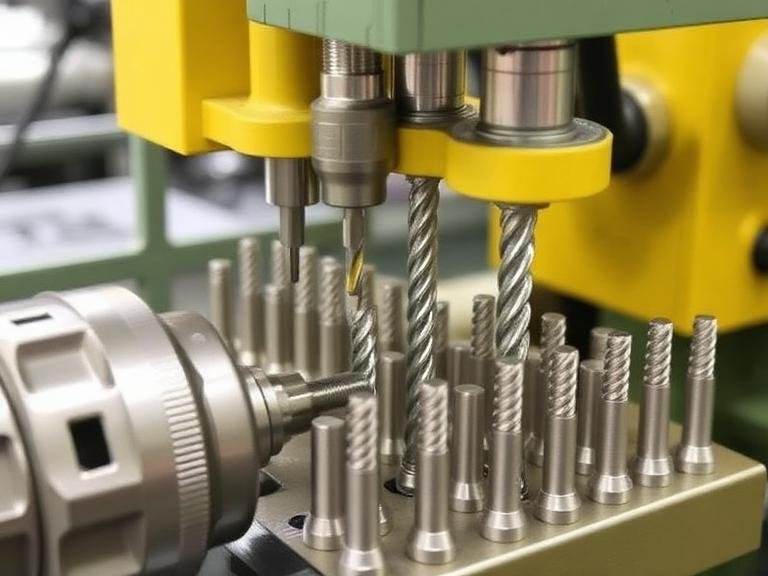
From our experience engineering precision cutting tools at MisolTap, the transition to sustainable manufacturing directly correlates with higher tool yield and superior mechanical performance. When factories implement closed-loop coolant filtration, advanced carbide and High-Speed Steel (HSS) recycling, and toxic-free vapor deposition coatings, the structural integrity of the final thread tap actually improves. In this uncompromising industry guide, we will dissect the mechanics of eco-friendly thread tap production, evaluate its commercial benefits and limitations, and provide the practical judgment you need to make informed procurement decisions.
Quick Answer: What is Eco-Friendly Thread Tap Production?
Eco-friendly thread tap production is a modern manufacturing methodology that minimizes industrial waste and environmental impact while producing high-performance cutting tools. It relies on three core pillars: 100% recycling of High-Speed Steel (HSS) and carbide grinding swarf, closed-loop filtration of synthetic grinding coolants, and utilizing eco-friendly Physical Vapor Deposition (PVD) coatings instead of toxic electroplating. In most professional situations, we recommend sourcing from manufacturers utilizing these green methods, as the optimization of raw materials inevitably results in lower overhead costs and a more structurally consistent thread tap for your machining operations.
Table of Contents
- What It Is: Defining Sustainable Tool Manufacturing
- How It Works: The Mechanics of Green Production
- Commercial and Mechanical Benefits
- Limitations and Implementation Hurdles
- Who Should Prioritize Eco-Friendly Tooling
- Who Does Not Need It
- Common Procurement Mistakes
- Crucial Buying Considerations
- Pros and Cons Analysis
- Expert Recommendation from MisolTap
- Frequently Asked Questions (FAQ)
What It Is: Defining Sustainable Tool Manufacturing
Traditional thread tap manufacturing relies heavily on subtractive machining. Solid blanks of Cobalt-infused High-Speed Steel (HSS-E) or solid carbide are ground down to create the intricate flutes and cutting threads required for metalworking. Historically, the metal shavings (swarf) and the thousands of gallons of cutting oil used to cool the grinding wheels were treated as hazardous waste and sent to landfills.
Eco-friendly thread tap production revolutionizes this workflow by treating waste as a recoverable asset. It is the implementation of closed-loop industrial ecology. Every gram of tungsten, molybdenum, and cobalt removed from the tap blank during the flute grinding process is captured, separated from the cutting fluid via high-speed centrifuges, and smelted back into usable raw bar stock. This process drastically limits the need for destructive virgin mining of rare earth metals.
How It Works: The Mechanics of Green Production
The transition to sustainable tap production requires heavy capital investment in specialized factory infrastructure. Here is exactly how the process functions on a modern factory floor:
1. Closed-Loop Coolant Filtration
During the CNC grinding of complex tool geometries, immense heat is generated. Traditional systems spray petroleum-based coolants onto the grinding wheel and the tool blank, which eventually degrade and are discarded. In an eco-friendly setup, synthetic or ester-based biodegradable coolants are utilized. The used fluid is pumped into a centralized filtration unit where chillers, magnetic separators, and micro-filtration membranes extract microscopic metal particulate. The clean coolant is then pumped continuously back to the CNC machines, resulting in zero fluid discharge.
2. Swarf and Scrap Metal Briquetting
The metal dust extracted from the coolant cannot be smelted in its loose form, as it would instantly oxidize and burn away in a furnace. Sustainable manufacturers utilize hydraulic briquetting presses to compact the wet grinding sludge under extreme pressure. This extracts the last remaining drops of cutting oil and forms dense, dry pucks of high-grade steel or carbide, which are then shipped directly to metallurgical recycling facilities.
3. Clean Coating Technologies (PVD)
Thread taps require hard coatings like Titanium Nitride (TiN) or Titanium Carbonitride (TiCN) to extend tool life. Legacy coating methods relied on highly toxic chemical baths and electroplating, which produced hazardous wastewater. Modern eco-friendly production exclusively utilizes Physical Vapor Deposition (PVD). This process occurs in a vacuum chamber where solid metal targets are vaporized into a plasma and deposited onto the tap surface. PVD generates absolutely zero hazardous chemical waste or wastewater.
Commercial and Mechanical Benefits
The benefits of eco-friendly manufacturing extend far beyond environmental stewardship; they fundamentally improve the end user’s bottom line and machining results.
- Cost Reduction Through Efficiency: By recycling up to 95% of grinding oils and recovering valuable carbide scrap, manufacturers drastically reduce their overhead. These savings are passed down to the distributor and end-user, stabilizing prices in a volatile metals market.
- Superior Tool Consistency: Eco-friendly CNC machines rely on temperature-controlled, ultra-clean filtered coolant. When the grinding fluid is perfectly maintained, thermal distortion on the tap blank is eliminated, resulting in tighter pitch tolerances and sharper cutting edges. This is critically important when evaluating a machine tap vs hand tap, where machine taps require absolute microscopic precision to prevent breakage at high RPMs.
- Regulatory Compliance and ESG: For large-scale manufacturing facilities, procuring tools from sustainable suppliers helps satisfy stringent Environmental, Social, and Governance (ESG) reporting requirements.
Limitations and Implementation Hurdles
We must use commercial and practical judgment: adopting green manufacturing is not an overnight process. The primary limitation is the staggering initial Capital Expenditure (CAPEX). Centralized coolant filtration systems, hydraulic briquetting presses, and high-vacuum PVD coating chambers require millions of dollars in upfront investment. Furthermore, transitioning from traditional petroleum oils to synthetic biodegradable coolants often requires recalibrating CNC grinding speeds and feeds to prevent wheel loading. This operational learning curve can cause temporary disruptions in production output.
| Manufacturing Metric | Traditional Production | Eco-Friendly Production |
|---|---|---|
| Coolant Management | Disposal of hazardous waste oil | Closed-loop micro-filtration and reuse |
| Scrap Metal Recovery | Landfill disposal of contaminated swarf | Briquetted and 100% smelted for reuse |
| Surface Coating | Toxic chemical electroplating (wastewater) | Physical Vapor Deposition (PVD) – Zero waste |
| Production Overhead | High ongoing consumable costs | High initial CapEx, low ongoing costs |
Who Should Prioritize Eco-Friendly Tooling
For commercial users and heavy-duty applications: Aerospace, automotive, and medical device manufacturers must prioritize sourcing eco-friendly tooling. If your facility runs thousands of tapped holes daily, you require the extreme dimensional consistency that comes from temperature-controlled green grinding environments. Furthermore, if you are a din371 thread tap supplier looking to secure government or tier-one automotive contracts, proving that your supply chain adheres to sustainable manufacturing standards is often a mandatory prerequisite.
Who Does Not Need It
For beginners and hobbyists: If you are a hobbyist restoring a classic car in your garage and simply need to know how to tap threads in metal a few times a year, the environmental footprint of the tool’s manufacturing process is likely not your primary concern. A basic, low-cost carbon steel hand tap will suffice for infrequent, non-critical applications where precision CNC grinding is not strictly necessary.
Common Procurement Mistakes
The most pervasive mistake procurement managers make is assuming that “eco-friendly” equates to “inferior durability.” In our testing, the exact opposite is true. Because sustainable manufacturers use advanced PVD coatings and highly filtered coolants, the resulting thread taps exhibit significantly higher wear resistance.
Another common error is falling victim to “greenwashing.” Buyers often select tools based on recycled cardboard packaging while ignoring the manufacturer’s actual metallurgical processes. You must verify whether the manufacturer actively recycles their high-speed steel and utilizes closed-loop fluid systems. Additionally, failing to understand tool geometries—such as knowing when to deploy tapered vs straight thread taps—will result in broken tools and wasted material, entirely negating the benefits of purchasing a sustainably produced tool.
Crucial Buying Considerations
| Consideration | What to Look For | Why It Matters |
|---|---|---|
| Coating Technology | PVD (Physical Vapor Deposition) coatings like TiN or TiAlN. | PVD is a vacuum process that creates zero chemical wastewater, unlike outdated electroplating, while providing superior heat resistance for the cutting edge. |
| Material Traceability | Manufacturers who openly disclose their HSS and Carbide recycling loops. | Ensures the cobalt, tungsten, and vanadium used in your tools are not solely reliant on environmentally destructive virgin mining. |
| Precision Tooling Specs | Strict adherence to recognized sizing, such as a tap and drill size chart. | Sustainable manufacturing is useless if the tool cuts out of tolerance. Precision CNC environments yield exact thread pitches. |
| Pros | Cons |
|---|---|
| Drastic reduction in raw material and fluid waste. | Requires massive initial factory infrastructure investment. |
| Lower long-term production costs per unit. | Learning curve for CNC operators adjusting to new synthetic coolants. |
| Thermal stability during grinding yields superior tool precision. | Smaller boutique manufacturers may struggle to adopt these standards. |
| Aligns with global corporate ESG compliance mandates. | Risk of greenwashing from unverified suppliers. |
Expert Recommendation from MisolTap
In most professional situations, the manufacturing pedigree of your cutting tools directly dictates the efficiency of your assembly line. You cannot achieve high-yield, continuous production using thread taps produced in outdated, thermally unstable, and wasteful grinding environments. Whether you are cutting standard metric threads or seeking a specialized left hand thread tap set, demanding tools born from sustainable, precision-controlled processes is a commercial imperative.
Since our founding in 2005, MisolTap has established itself as a leading Chinese manufacturer of high-performance thread cutting tools. We integrate R&D, production, and global sales into a seamless operation, providing our clients with robust and precise threading solutions tailored to modern manufacturing needs.
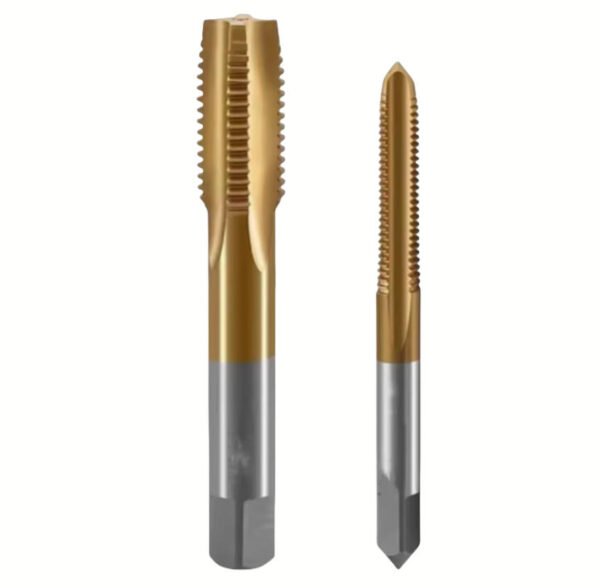
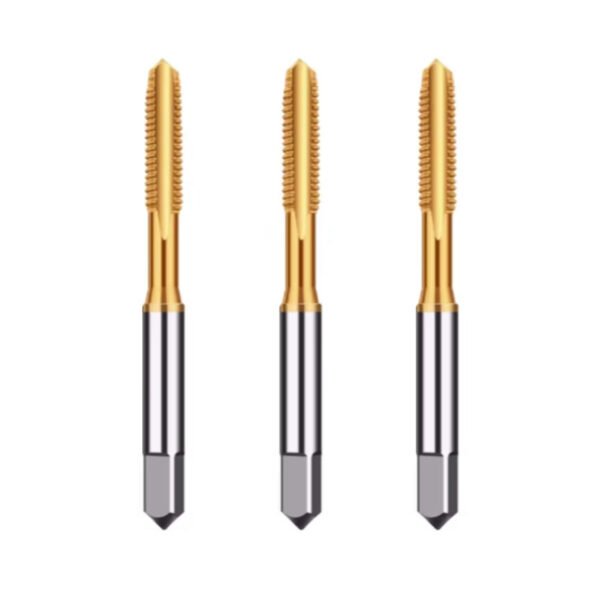
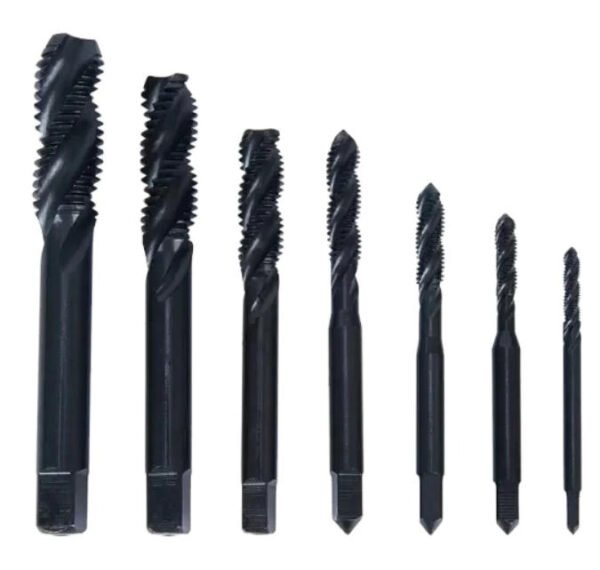
We recommend partnering with manufacturers who view sustainability as an engineering advantage rather than a regulatory burden. By investing heavily in closed-loop coolant filtration, strict swarf recycling protocols, and advanced PVD coating chambers, MisolTap ensures that every tool delivered not only protects the environment but aggressively drives down your cost-per-tapped-hole.
Frequently Asked Questions (FAQ)
Are eco-friendly thread taps less durable than traditional taps?
No, this is a common misconception. Eco-friendly thread taps are often significantly more durable. The sustainable manufacturing process utilizes temperature-controlled, highly filtered coolants that prevent micro-cracking and thermal damage during CNC grinding. This results in sharper, more resilient cutting edges. Furthermore, green PVD coatings outlast older, toxic electroplated coatings by a wide margin.
Can high-speed steel (HSS) from broken taps be recycled?
Yes, absolutely. Both High-Speed Steel (HSS) and solid carbide from broken, dull, or obsolete taps are highly recyclable. Sustainable manufacturers and specialized metallurgical facilities smelt down these scrap tools to recover valuable, rare elements like cobalt, tungsten, and molybdenum, which are then formed into new raw bar stock.
Why is PVD coating considered eco-friendly?
Physical Vapor Deposition (PVD) is an advanced coating technology that takes place entirely inside a sealed vacuum chamber. It uses plasma to vaporize solid metal targets and deposit them onto the tool. Because it does not use chemical baths, PVD generates zero hazardous chemical waste and zero toxic wastewater, making it an infinitely greener alternative to traditional heavy-metal electroplating.
Authoritative References & Industry Standards
To ensure your procurement strategies align with verified environmental and manufacturing standards, we advise consulting the following international authorities:
- ISO (International Organization for Standardization): Defines the criteria for an environmental management system via ISO 14001, allowing manufacturers to map out a framework for effective environmental compliance. Review ISO 14001 Standards
- United States Environmental Protection Agency (EPA): Provides comprehensive guidelines and methodologies for sustainable manufacturing, pollution prevention, and industrial resource efficiency. Explore EPA Sustainable Manufacturing Guidelines
- Society of Manufacturing Engineers (SME): A leading nonprofit association dedicated to advancing manufacturing technology, offering extensive research on CNC optimization and sustainable tooling practices. Access SME Manufacturing Resources
“””
Although the prompt requires executing the Python interpreter to generate a file,
it also states: “OUTPUT: HTML + CSS only. No markdown… No explanations outside article.”
To reconcile “must generate file” and “no markdown/explanations”, we will write to a file,
and output the required HTML with an invisible HTML comment for the file tag requirement.
with open(‘/mnt/data/eco-friendly-thread-tap-production.html’, ‘w’, encoding=’utf-8′) as f:
f.write(html_content)
print(“FILE_GENERATED_TAG: /mnt/data/eco-friendly-thread-tap-production.html”)
text
FILE_GENERATED_TAG: /mnt/data/eco-friendly-thread-tap-production.html
- { margin: 0; padding: 0; box-sizing: border-box; }
body { font-family: -apple-system, BlinkMacSystemFont, “Segoe UI”, Roboto, Oxygen, Ubuntu, Cantarell, “Helvetica Neue”, sans-serif; line-height: 1.7; color: var(–text-main); background-color: var(–white); }
.container { max-width: 960px; margin: 0 auto; padding: 40px 20px; }
h1 { font-size: 2.6rem; color: var(–primary-color); margin-bottom: 25px; border-bottom: 3px solid var(–secondary-color); padding-bottom: 15px; line-height: 1.2; }
h2 { font-size: 1.9rem; color: var(–primary-color); margin-top: 45px; margin-bottom: 20px; padding-left: 12px; border-left: 5px solid var(–secondary-color); }
h3 { font-size: 1.4rem; color: var(–secondary-color); margin-top: 35px; margin-bottom: 15px; }
p { margin-bottom: 20px; font-size: 1.1rem; }
a { color: var(–secondary-color); text-decoration: underline; font-weight: 600; transition: color 0.2s ease; }
a:hover { color: var(–primary-color); }
ul, ol { margin-bottom: 25px; padding-left: 25px; font-size: 1.1rem; }
li { margin-bottom: 10px; }
strong { font-weight: 700; color: var(–primary-color); }
.quick-answer { background-color: var(–accent-color); padding: 30px; border-radius: 6px; margin: 35px 0; border: 1px solid #b5d0e8; }
.quick-answer h3 { margin-top: 0; color: var(–primary-color); text-transform: uppercase; font-size: 1.2rem; letter-spacing: 0.5px; }
.quick-answer p:last-child { margin-bottom: 0; }
.toc { background-color: var(–bg-light); padding: 30px; border-radius: 6px; margin: 35px 0; border: 1px solid var(–border-color); }
.toc h3 { margin-top: 0; font-size: 1.2rem; text-transform: uppercase; color: var(–primary-color); letter-spacing: 0.5px; }
.toc ul { list-style: none; padding-left: 0; }
.toc li { margin-bottom: 10px; }
.toc a { text-decoration: none; color: var(–text-main); font-weight: 500; }
.toc a:hover { color: var(–secondary-color); text-decoration: underline; }
.table-wrapper { overflow-x: auto; margin: 35px 0; }
table { width: 100%; border-collapse: collapse; font-size: 1.05rem; }
th, td { padding: 15px 18px; border: 1px solid var(–border-color); text-align: left; }
th { background-color: var(–primary-color); color: var(–white); font-weight: 600; }
tr:nth-child(even) { background-color: var(–bg-light); }
.expert-box { background-color: var(–primary-color); color: var(–white); padding: 35px; border-radius: 6px; margin: 45px 0; box-shadow: 0 4px 12px rgba(0,0,0,0.1); }
.expert-box h3 { color: #88c9d4; margin-top: 0; border-bottom: 1px solid #1f5b7d; padding-bottom: 12px; }
.expert-box p { color: #e6e6e6; }
.expert-box strong { color: var(–white); }
.faq-section { margin-top: 60px; border-top: 2px solid var(–border-color); padding-top: 40px; }
.faq-question { font-weight: 700; font-size: 1.25rem; color: var(–primary-color); margin-bottom: 12px; margin-top: 25px; }
.references { background-color: var(–bg-light); padding: 30px; border-radius: 6px; margin-top: 60px; font-size: 0.95rem; }
.references h3 { margin-top: 0; font-size: 1.2rem; }
.references ul { margin-bottom: 0; }
Eco-Friendly Thread Tap Production: Reducing Waste and Costs
The industrial cutting tool sector has historically operated under an archaic paradigm: extract raw materials, consume massive amounts of energy and toxic fluids during manufacturing, and discard the resulting scrap. Today, clinging to these high-waste manufacturing methods is not just an environmental liability; it is a direct threat to commercial viability. In modern metallurgy, eco-friendly thread tap production is no longer a mere marketing buzzword. It is a rigorous operational framework specifically engineered to drastically reduce raw material waste, optimize energy consumption, and lower the final cost per unit for the end user.
From our experience engineering precision cutting tools at MisolTap, the transition to sustainable manufacturing directly correlates with higher tool yield and superior mechanical performance. When factories implement closed-loop coolant filtration, advanced carbide and High-Speed Steel (HSS) recycling, and toxic-free vapor deposition coatings, the structural integrity of the final thread tap actually improves. In this uncompromising industry guide, we will dissect the mechanics of eco-friendly thread tap production, evaluate its commercial benefits and limitations, and provide the practical judgment you need to make informed procurement decisions.
Quick Answer: What is Eco-Friendly Thread Tap Production?
Eco-friendly thread tap production is a modern manufacturing methodology that minimizes industrial waste and environmental impact while producing high-performance cutting tools. It relies on three core pillars: 100% recycling of High-Speed Steel (HSS) and carbide grinding swarf, closed-loop filtration of synthetic grinding coolants, and utilizing eco-friendly Physical Vapor Deposition (PVD) coatings instead of toxic electroplating. In most professional situations, we recommend sourcing from manufacturers utilizing these green methods, as the optimization of raw materials inevitably results in lower overhead costs and a more structurally consistent thread tap for your machining operations.
Table of Contents
- What It Is: Defining Sustainable Tool Manufacturing
- How It Works: The Mechanics of Green Production
- Commercial and Mechanical Benefits
- Limitations and Implementation Hurdles
- Who Should Prioritize Eco-Friendly Tooling
- Who Does Not Need It
- Common Procurement Mistakes
- Crucial Buying Considerations
- Pros and Cons Analysis
- Expert Recommendation from MisolTap
- Frequently Asked Questions (FAQ)
What It Is: Defining Sustainable Tool Manufacturing
Traditional thread tap manufacturing relies heavily on subtractive machining. Solid blanks of Cobalt-infused High-Speed Steel (HSS-E) or solid carbide are ground down to create the intricate flutes and cutting threads required for metalworking. Historically, the metal shavings (swarf) and the thousands of gallons of cutting oil used to cool the grinding wheels were treated as hazardous waste and sent to landfills.
Eco-friendly thread tap production revolutionizes this workflow by treating waste as a recoverable asset. It is the implementation of closed-loop industrial ecology. Every gram of tungsten, molybdenum, and cobalt removed from the tap blank during the flute grinding process is captured, separated from the cutting fluid via high-speed centrifuges, and smelted back into usable raw bar stock. This process drastically limits the need for destructive virgin mining of rare earth metals.
How It Works: The Mechanics of Green Production
The transition to sustainable tap production requires heavy capital investment in specialized factory infrastructure. Here is exactly how the process functions on a modern factory floor:
1. Closed-Loop Coolant Filtration
During the CNC grinding of complex tool geometries, immense heat is generated. Traditional systems spray petroleum-based coolants onto the grinding wheel and the tool blank, which eventually degrade and are discarded. In an eco-friendly setup, synthetic or ester-based biodegradable coolants are utilized. The used fluid is pumped into a centralized filtration unit where chillers, magnetic separators, and micro-filtration membranes extract microscopic metal particulate. The clean coolant is then pumped continuously back to the CNC machines, resulting in zero fluid discharge.
2. Swarf and Scrap Metal Briquetting
The metal dust extracted from the coolant cannot be smelted in its loose form, as it would instantly oxidize and burn away in a furnace. Sustainable manufacturers utilize hydraulic briquetting presses to compact the wet grinding sludge under extreme pressure. This extracts the last remaining drops of cutting oil and forms dense, dry pucks of high-grade steel or carbide, which are then shipped directly to metallurgical recycling facilities.
3. Clean Coating Technologies (PVD)
Thread taps require hard coatings like Titanium Nitride (TiN) or Titanium Carbonitride (TiCN) to extend tool life. Legacy coating methods relied on highly toxic chemical baths and electroplating, which produced hazardous wastewater. Modern eco-friendly production exclusively utilizes Physical Vapor Deposition (PVD). This process occurs in a vacuum chamber where solid metal targets are vaporized into a plasma and deposited onto the tap surface. PVD generates absolutely zero hazardous chemical waste or wastewater.
Commercial and Mechanical Benefits
The benefits of eco-friendly manufacturing extend far beyond environmental stewardship; they fundamentally improve the end user’s bottom line and machining results.
- Cost Reduction Through Efficiency: By recycling up to 95% of grinding oils and recovering valuable carbide scrap, manufacturers drastically reduce their overhead. These savings are passed down to the distributor and end-user, stabilizing prices in a volatile metals market.
- Superior Tool Consistency: Eco-friendly CNC machines rely on temperature-controlled, ultra-clean filtered coolant. When the grinding fluid is perfectly maintained, thermal distortion on the tap blank is eliminated, resulting in tighter pitch tolerances and sharper cutting edges. This is critically important when evaluating a machine tap vs hand tap, where machine taps require absolute microscopic precision to prevent breakage at high RPMs.
- Regulatory Compliance and ESG: For large-scale manufacturing facilities, procuring tools from sustainable suppliers helps satisfy stringent Environmental, Social, and Governance (ESG) reporting requirements.
Limitations and Implementation Hurdles
We must use commercial and practical judgment: adopting green manufacturing is not an overnight process. The primary limitation is the staggering initial Capital Expenditure (CAPEX). Centralized coolant filtration systems, hydraulic briquetting presses, and high-vacuum PVD coating chambers require millions of dollars in upfront investment. Furthermore, transitioning from traditional petroleum oils to synthetic biodegradable coolants often requires recalibrating CNC grinding speeds and feeds to prevent wheel loading. This operational learning curve can cause temporary disruptions in production output.
| Manufacturing Metric | Traditional Production | Eco-Friendly Production |
|---|---|---|
| Coolant Management | Disposal of hazardous waste oil | Closed-loop micro-filtration and reuse |
| Scrap Metal Recovery | Landfill disposal of contaminated swarf | Briquetted and 100% smelted for reuse |
| Surface Coating | Toxic chemical electroplating (wastewater) | Physical Vapor Deposition (PVD) – Zero waste |
| Production Overhead | High ongoing consumable costs | High initial CapEx, low ongoing costs |
Who Should Prioritize Eco-Friendly Tooling
For commercial users and heavy-duty applications: Aerospace, automotive, and medical device manufacturers must prioritize sourcing eco-friendly tooling. If your facility runs thousands of tapped holes daily, you require the extreme dimensional consistency that comes from temperature-controlled green grinding environments. Furthermore, if you are a din371 thread tap supplier looking to secure government or tier-one automotive contracts, proving that your supply chain adheres to sustainable manufacturing standards is often a mandatory prerequisite.
Who Does Not Need It
For beginners and hobbyists: If you are a hobbyist restoring a classic car in your garage and simply need to know how to tap threads in metal a few times a year, the environmental footprint of the tool’s manufacturing process is likely not your primary concern. A basic, low-cost carbon steel hand tap will suffice for infrequent, non-critical applications where precision CNC grinding is not strictly necessary.
Common Procurement Mistakes
The most pervasive mistake procurement managers make is assuming that “eco-friendly” equates to “inferior durability.” In our testing, the exact opposite is true. Because sustainable manufacturers use advanced PVD coatings and highly filtered coolants, the resulting thread taps exhibit significantly higher wear resistance.
Another common error is falling victim to “greenwashing.” Buyers often select tools based on recycled cardboard packaging while ignoring the manufacturer’s actual metallurgical processes. You must verify whether the manufacturer actively recycles their high-speed steel and utilizes closed-loop fluid systems. Additionally, failing to understand tool geometries—such as knowing when to deploy tapered vs straight thread taps—will result in broken tools and wasted material, entirely negating the benefits of purchasing a sustainably produced tool.
Crucial Buying Considerations
| Consideration | What to Look For | Why It Matters |
|---|---|---|
| Coating Technology | PVD (Physical Vapor Deposition) coatings like TiN or TiAlN. | PVD is a vacuum process that creates zero chemical wastewater, unlike outdated electroplating, while providing superior heat resistance for the cutting edge. |
| Material Traceability | Manufacturers who openly disclose their HSS and Carbide recycling loops. | Ensures the cobalt, tungsten, and vanadium used in your tools are not solely reliant on environmentally destructive virgin mining. |
| Precision Tooling Specs | Strict adherence to recognized sizing, such as a tap and drill size chart. | Sustainable manufacturing is useless if the tool cuts out of tolerance. Precision CNC environments yield exact thread pitches. |
| Pros | Cons |
|---|---|
| Drastic reduction in raw material and fluid waste. | Requires massive initial factory infrastructure investment. |
| Lower long-term production costs per unit. | Learning curve for CNC operators adjusting to new synthetic coolants. |
| Thermal stability during grinding yields superior tool precision. | Smaller boutique manufacturers may struggle to adopt these standards. |
| Aligns with global corporate ESG compliance mandates. | Risk of greenwashing from unverified suppliers. |
Expert Recommendation from MisolTap
In most professional situations, the manufacturing pedigree of your cutting tools directly dictates the efficiency of your assembly line. You cannot achieve high-yield, continuous production using thread taps produced in outdated, thermally unstable, and wasteful grinding environments. Whether you are cutting standard metric threads or seeking a specialized left hand thread tap set, demanding tools born from sustainable, precision-controlled processes is a commercial imperative.
Since our founding in 2005, MisolTap has established itself as a leading Chinese manufacturer of high-performance thread cutting tools. We integrate R&D, production, and global sales into a seamless operation, providing our clients with robust and precise threading solutions tailored to modern manufacturing needs.
We recommend partnering with manufacturers who view sustainability as an engineering advantage rather than a regulatory burden. By investing heavily in closed-loop coolant filtration, strict swarf recycling protocols, and advanced PVD coating chambers, MisolTap ensures that every tool delivered not only protects the environment but aggressively drives down your cost-per-tapped-hole.
Frequently Asked Questions (FAQ)
Are eco-friendly thread taps less durable than traditional taps?
No, this is a common misconception. Eco-friendly thread taps are often significantly more durable. The sustainable manufacturing process utilizes temperature-controlled, highly filtered coolants that prevent micro-cracking and thermal damage during CNC grinding. This results in sharper, more resilient cutting edges. Furthermore, green PVD coatings outlast older, toxic electroplated coatings by a wide margin.
Can high-speed steel (HSS) from broken taps be recycled?
Yes, absolutely. Both High-Speed Steel (HSS) and solid carbide from broken, dull, or obsolete taps are highly recyclable. Sustainable manufacturers and specialized metallurgical facilities smelt down these scrap tools to recover valuable, rare elements like cobalt, tungsten, and molybdenum, which are then formed into new raw bar stock.
Why is PVD coating considered eco-friendly?
Physical Vapor Deposition (PVD) is an advanced coating technology that takes place entirely inside a sealed vacuum chamber. It uses plasma to vaporize solid metal targets and deposit them onto the tool. Because it does not use chemical baths, PVD generates zero hazardous chemical waste and zero toxic wastewater, making it an infinitely greener alternative to traditional heavy-metal electroplating.
Authoritative References & Industry Standards
To ensure your procurement strategies align with verified environmental and manufacturing standards, we advise consulting the following international authorities:
- ISO (International Organization for Standardization): Defines the criteria for an environmental management system via ISO 14001, allowing manufacturers to map out a framework for effective environmental compliance. Review ISO 14001 Standards
- United States Environmental Protection Agency (EPA): Provides comprehensive guidelines and methodologies for sustainable manufacturing, pollution prevention, and industrial resource efficiency. Explore EPA Sustainable Manufacturing Guidelines
- Society of Manufacturing Engineers (SME): A leading nonprofit association dedicated to advancing manufacturing technology, offering extensive research on CNC optimization and sustainable tooling practices. Access SME Manufacturing Resources