
Choosing between CNC machining vs. manual tapping is no longer a simple shop-floor decision. In 2026, manufacturers face tighter tolerances, higher labor costs, shorter production cycles, and increasing quality requirements. The wrong threading process can increase scrap rates, reduce tool life, and create expensive production bottlenecks.
From our experience working with manufacturers across automotive, aerospace, energy, electronics, and precision engineering sectors, the answer is straightforward: CNC machining is usually the better choice for medium-to-high production environments, while manual tapping remains valuable for maintenance work, prototyping, repair jobs, and low-volume applications.
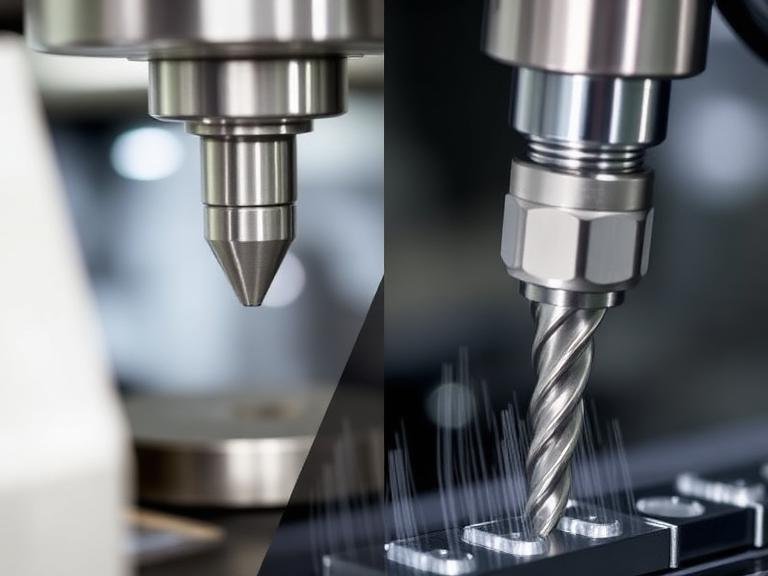
Quick Answer
CNC machining vs. manual tapping:
- CNC machining offers superior accuracy, repeatability, speed, and scalability.
- Manual tapping provides lower initial investment and greater flexibility for small jobs.
- For production environments, CNC machining generally delivers lower cost per part.
- For repairs, one-off projects, and field maintenance, manual tapping remains practical.
- Most professional manufacturers use both processes depending on production requirements.
Table of Contents
What Is CNC Machining vs. Manual Tapping?
Manual tapping is the traditional process of cutting internal threads using hand-operated taps. An operator rotates the tap manually through a pre-drilled hole while controlling feed pressure and lubrication.
CNC tapping uses automated machine tools that synchronize spindle rotation and feed rates to create precise threads with minimal human intervention.
Although both methods produce threaded holes, their performance, consistency, productivity, and economics differ dramatically.
| Factor | Manual Tapping | CNC Tapping |
|---|---|---|
| Operation Method | Human-operated | Machine-controlled |
| Accuracy | Moderate | Excellent |
| Repeatability | Operator dependent | Highly repeatable |
| Production Speed | Slow | Fast |
| Labor Requirement | High | Low |
| Volume Suitability | Low volume | Medium to high volume |
How Both Processes Work
Manual Tapping Process
The operator drills a hole, selects the proper tap size, applies lubricant, and manually rotates the tap into the material.
For beginners learning thread cutting, understanding how to use a thread tap correctly is essential before attempting production work.
The process requires frequent reversal to break chips and avoid tool breakage.
CNC Tapping Process
A CNC machine automatically controls spindle speed, feed synchronization, depth control, coolant delivery, and cycle repetition.
The machine executes identical tapping cycles repeatedly, reducing variation and operator influence.
In most professional situations, CNC rigid tapping systems provide significantly better thread quality than manual operations.
CNC Machining vs. Manual Tapping: Complete Comparison Table
| Criteria | CNC Machining | Manual Tapping |
|---|---|---|
| Thread Accuracy | Excellent | Moderate |
| Cycle Time | Seconds | Minutes |
| Labor Cost | Low | High |
| Setup Cost | High | Low |
| Tool Life | Longer | Shorter |
| Scrap Rate | Lower | Higher |
| Production Volume | High | Low |
| Complex Parts | Excellent | Limited |
| Blind Holes | Highly effective | Operator dependent |
| Thread Consistency | Excellent | Variable |
Benefits and Limitations
Advantages of CNC Machining
| Major Benefits | Business Impact |
|---|---|
| Higher throughput | More parts per shift |
| Consistent quality | Reduced rejects |
| Automated operation | Lower labor cost |
| Precise thread depth control | Improved assembly performance |
| Integration with production lines | Scalable manufacturing |
For commercial users producing hundreds or thousands of components daily, CNC tapping usually pays for itself quickly through labor savings and quality improvements.
Limitations of CNC Machining
| Limitations | Impact |
|---|---|
| Higher equipment cost | Greater capital investment |
| Programming required | Technical expertise needed |
| Maintenance costs | Ongoing expenses |
| Less practical for one-off repairs | Longer setup time |
Advantages of Manual Tapping
- Low startup cost
- Simple tooling requirements
- Portable operation
- Ideal for field repairs
- Excellent for prototypes
Limitations of Manual Tapping
- Slower production speed
- Higher risk of broken taps
- Greater operator dependency
- Reduced thread consistency
- Higher labor requirements
Who Should Use CNC Machining and Who Should Use Manual Tapping?
CNC Machining Is Best For:
- Automotive manufacturing
- Aerospace components
- Medical devices
- Electronics production
- Mass production facilities
- Precision engineering workshops
Manufacturers producing tapped threads in metal repeatedly gain enormous productivity advantages from CNC automation.
Manual Tapping Is Best For:
- Maintenance departments
- Field repair technicians
- Prototype development
- Small machine shops
- Custom fabrication projects
- Educational workshops
Who Does Not Need CNC Tapping?
If you produce fewer than 20 threaded holes per week and your work is highly customized, CNC equipment may not generate enough ROI.
Who Should Avoid Manual Tapping?
Any manufacturer with production requirements exceeding several hundred threaded holes daily should seriously consider automation.
Machine Tap vs. Hand Tap Selection
The choice between machine taps and hand taps is equally important. Our recommendation is to review the differences between machine tap vs hand tap before selecting tooling.
In our testing, machine taps provide better chip evacuation and longer service life in automated environments.
Material selection also matters. Choosing the best material for thread taps can significantly improve productivity and reduce breakage.
Common Mistakes Manufacturers Make
Using Manual Tapping for High Production Volumes
This is one of the most expensive mistakes we see. Labor costs eventually exceed the investment required for CNC equipment.
Ignoring Tap Size Calculations
Incorrect drill size selection causes thread failure and tap breakage. Always consult a reliable tap and drill size chart.
Choosing the Wrong Tap Geometry
Different materials require different tap designs. Using general-purpose taps for demanding applications often reduces tool life dramatically.
Poor Thread Design Planning
Many engineers overlook thread engagement requirements and chip evacuation challenges during design stages.
Buying Considerations for Threading Operations
| Factor | Manual Tapping | CNC Tapping |
|---|---|---|
| Annual Production | Low | Medium to High |
| Budget | Limited | Larger Capital Budget |
| Tolerance Requirements | Moderate | Strict |
| Operator Skill | Critical | Less Critical |
| Growth Potential | Limited | Scalable |
For heavy-duty applications involving hardened steels, stainless steel, titanium, or exotic alloys, CNC machining delivers more predictable results.
Manufacturers working with specialty thread designs may also benefit from understanding reverse thread taps and their industrial applications.
Expert Recommendation from MisolTap
Since 2005, MisolTap has worked with manufacturers worldwide to optimize threading operations.
From our experience, companies often focus too heavily on equipment costs while ignoring labor expenses, quality losses, and downtime.
For beginners and small workshops, manual tapping remains practical and economical.
For commercial users, CNC tapping is usually the superior long-term investment.
For heavy-duty applications, aerospace parts, automotive components, and precision engineering work, we recommend CNC machining without hesitation.
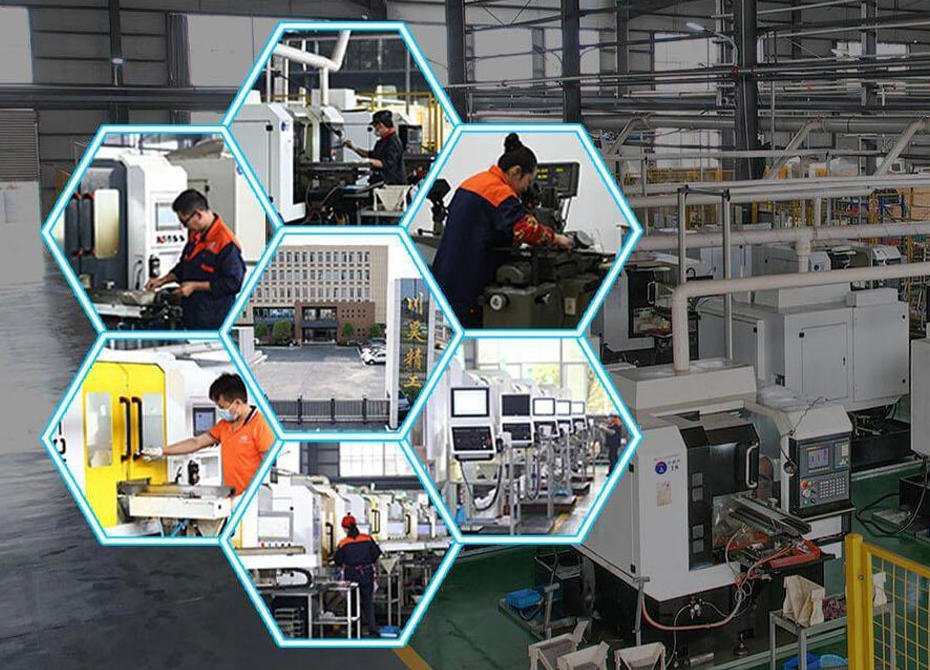
Companies evaluating production expansion should also study leading thread tap manufacturers and modern tooling technologies before upgrading their facilities.
How MisolTap Supports Modern Threading Operations
MisolTap integrates research, manufacturing, and global distribution of high-performance threading solutions. Our products support both manual and CNC environments, helping manufacturers improve thread quality, reduce cycle times, and maximize tool life.
Whether customers require left hand thread tap sets, specialized threading tools, or heavy production machine taps, our engineering team focuses on practical manufacturing results rather than theoretical specifications.
Frequently Asked Questions
Is CNC tapping more accurate than manual tapping?
Yes. CNC tapping provides superior repeatability, alignment, and depth control, resulting in more consistent threads.
When should I choose manual tapping?
Manual tapping is best for repairs, prototypes, maintenance work, and very low-volume production.
Does CNC tapping reduce tool breakage?
Generally yes. Controlled feed rates and synchronized spindle movement significantly reduce tap failure.
Is CNC tapping worth the investment?
For medium and high-volume production environments, the productivity gains often justify the investment quickly.
Can manual tapping produce high-quality threads?
Yes, but quality depends heavily on operator skill, material selection, lubrication, and proper technique.
Which industries benefit most from CNC tapping?
Automotive, aerospace, electronics, energy, medical devices, and industrial equipment manufacturing benefit most from CNC threading operations.
References
- ASME – American Society of Mechanical Engineers
- SME – Society of Manufacturing Engineers
- National Institute of Standards and Technology (NIST)
Final Verdict
If your goal is productivity, consistency, and scalable manufacturing, CNC machining wins decisively. If your goal is flexibility, portability, and minimal investment, manual tapping still has a place.
The smartest manufacturers do not view CNC machining vs. manual tapping as an either-or decision. They use each process where it creates the greatest value. For most modern production environments in 2026, CNC tapping should be the primary threading strategy, while manual tapping remains an essential support capability for maintenance and specialty work.