
In high-precision machining and automated production lines, the structural longevity of cutting tools directly dictates manufacturing margins, downtime frequency, and part reject rates. Internal thread generation remains one of the most mechanically demanding subtractive operations because the tool works completely confined inside a pre-drilled hole, experiencing intense torsional friction and restricted chip evacuation. To safeguard your overhead budgets and maintain dimensional stability, implementing rigorous operational parameters is a necessity. Discovering how to extend the lifespan of your thread taps requires a deep analysis of substrate metallurgy, lubrication engineering, tool synchronization, and preventative wear maintenance.

From our experience at MisolTap, premature tool breakage and chipped cutting edges are rarely caused by unpredictable manufacturing variations in premium tools. Instead, they trace back to misaligned entry paths, incorrect pilot hole calculation, or insufficient lubrication during heavy cyclic workloads. When a thread tap undergoes thermal stress or excessive torque loading, micro-fissures develop along its leading teeth, resulting in rapid failure. In this authoritative guide, we provide an extensive operational framework to maximize tool life, avoid catastrophic failure modes, and secure peak productivity across your threading departments.
Table of Contents
- 1. Critical Pilot Hole Preparation and Dimensional Accuracy
- 2. Advanced Tribology: Lubrication Dynamics and Cooling Under Pressure
- 3. Optimizing Speed, Feed Rates, and Torsional Force Limits
- 4. Structural Alignment and Mechanical Rigidity Protocols
- 5. Surface Finish Enhancements and Substrate Selection
- 6. Correct Post-Processing Care, Sharpening, and Inspection Routines
- 7. Sourcing and Maintenance Summary Matrix
- 8. Premium Industrial Cutting Solutions: The MisolTap Strategy
- 9. Frequently Asked Questions (FAQs)
- 10. Academic and Metrology References
1. Critical Pilot Hole Preparation and Dimensional Accuracy
The foundational step to extend the lifespan of your thread taps takes place before the tapping tool even encounters the metal substrate. If a pilot hole is drilled too small, the tapping tool will be forced to displace or ablate an excessive amount of stock material. This extra friction spikes the internal torque requirements exponentially, twisting the tool shank and causing immediate structural failure. Conversely, an oversized hole compromises the overall height of engagement, producing weak, out-of-spec threads.
We recommend verifying pilot diameters against industrial standards using exact metrology tools before authorizing a production run. To streamline this setup, machinists should master the calculations outlined in our comprehensive tap and drill size chart. Furthermore, when executing deep blind holes, ensure you drill past the required thread depth. Leaving an adequate safety buffer at the bottom of the chamber prevents the lead teeth from colliding with packed debris, eliminating sudden axial shocks that cause immediate chipping.
2. Advanced Tribology: Lubrication Dynamics and Cooling Under Pressure
Tapping produces immense localized frictional heat due to the continuous contact between the tool flutes and the internal walls of the workpiece. Running a thread cutting operation without dedicated fluid delivery causes rapid thermal expansion. This expansion binds the tool within the channel, triggering extreme stress concentrations that shorten tool life. Proper fluid application is essential for maintaining mechanical tolerances.
From our experience, standard soluble oils or generic multi-purpose sprays are insufficient for demanding alloys like stainless steel or titanium. We recommend utilizing high-viscosity sulfurized or chlorinated cutting oils designed for extreme pressure applications. These specialized fluids form a durable microscopic film over the cutting edges, lowering the friction coefficient and helping to flush chips out of the flutes. This effective heat management prevents the metal from welding to the tool, which is a major cause of tool wear.
3. Optimizing Speed, Feed Rates, and Torsional Force Limits
Running cutting machinery at excessive surface speeds accelerates abrasive wear, rapidly dulling the cutting edges and reducing tool lifespan. Every tool material has an optimal cutting velocity footprint determined by the target metal’s hardness. Pushing past these boundaries causes structural softening along the outer teeth, leading to deformation and micro-cracking.
We recommend establishing conservative rotational velocity profiles when introducing new workpieces to the line. When using modern automated CNC systems, utilizing synchronized rigid tapping modes ensures the feed rate per revolution matches the pitch of the thread precisely. This perfect synchronization eliminates axial stress on the flanks of the teeth, distributing the mechanical workload evenly across all cutting edges to extend the lifespan of your thread taps.
4. Structural Alignment and Mechanical Rigidity Protocols
Angular misalignment between the central axis of the tool holder and the pre-drilled hole is a frequent cause of tool breakages in manual and semi-automated assembly spaces. If a tap enters a channel at an angle, it experiences severe asymmetric bending loads. Because high-performance cutting tools are hardened to resist wear, they have low ductility and will shatter when exposed to sudden side forces.
To prevent these failures, we recommend utilizing high-quality floating tap holders or tension-compression tap chucks on manual machinery. These specialized holders compensate for minor alignment errors, absorbing unexpected axial and radial shifts. Ensuring your workpieces are rigidly clamped down prevents shifting during high-torque processing cycles, protecting tool geometry and stabilizing thread quality.
5. Surface Finish Enhancements and Substrate Selection
The base material and surface coatings of your cutting tools determine their resistance to continuous friction and wear. While standard high-speed steel tools work well for soft aluminum or low-carbon steels, aggressive alloys require upgraded tool geometry and specialized physical vapor deposition coatings.
For high-volume manufacturing lines, we recommend specifying cobalt-alloyed high-speed steel or solid carbide substrates treated with advanced coatings like Titanium Carbo-Nitride or Aluminum Titanium Nitride. These advanced coatings act as thermal barriers, keeping the underlying tool core cool and resisting adhesive wear. Selecting the right coating configuration allows your tooling to maintain clean cutting actions during high-temperature operations, extending tool lifespan significantly.
6. Correct Post-Processing Care, Sharpening, and Inspection Routines
Tool maintenance shouldn’t stop when a batch is finished. Allowing tools to sit in a bin covered in wet chips promotes corrosive degradation along the cutting edges, dulling the tool before its next use. Implementing a structured cleaning and inspection routine is a cost-effective way to preserve your tooling investments.
Following production runs, all tools must be washed to remove residual debris, dried completely, and coated with a thin layer of rust-preventative oil. We recommend inspecting the cutting flutes under amplification after a set number of cycles to check for minor edge wear. Catching minor wear early allows technicians to regrind the chamfer faces on specialized tool-sharpening grinders, restoring the factory cutting profile before micro-fissures can turn into complete tool failure.
7. Sourcing and Maintenance Summary Matrix
To help production managers and procurement directors structure their tool care programs, this responsive summary table matrix details how specific operational habits impact overall tool lifespans.
| Operational Factor | Sub-Optimal Practice | Recommended Engineering Standard | Lifespan Optimization Impact |
|---|---|---|---|
| Pilot Hole Sizing | Drilling too small; maximizing torque load | Verify diameters via standardized formulas | Lowers torsional stress; eliminates shank twisting |
| Fluid Tribology | Dry processing or generic water-soluble oils | Heavy sulfurized extreme-pressure cutting oils | Prevents material welding; flushes chips efficiently |
| Spindle Synchronization | Asymmetric manual feeding; manual alignment | CNC rigid tapping with automated synchronization | Removes axial stress; ensures uniform edge loading |
| Tool Alignment | Rigid off-axis holders; loose manual clamping | Tension-compression or floating chuck adapters | Absorbs bending forces; prevents sudden shattering |
| Tool Coatings | Uncoated low-grade high-speed steel elements | Titanium Carbo-Nitride (TiCN) / AlTiN coatings | Provides thermal insulation; extends surface life |
| Post-Run Inspection | Storing damp tools covered in abrasive chips | Solvent cleaning, rust-oil coating, & macro audits | Allows timely sharpening; prevents catastrophic breakage |
8. Premium Industrial Cutting Solutions: The MisolTap Strategy
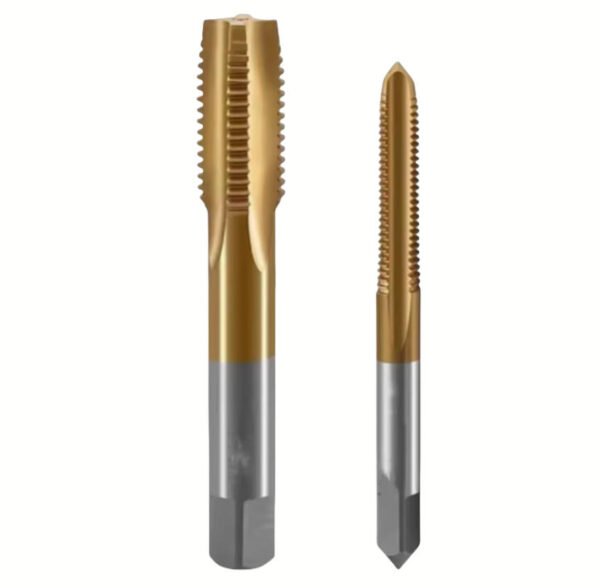
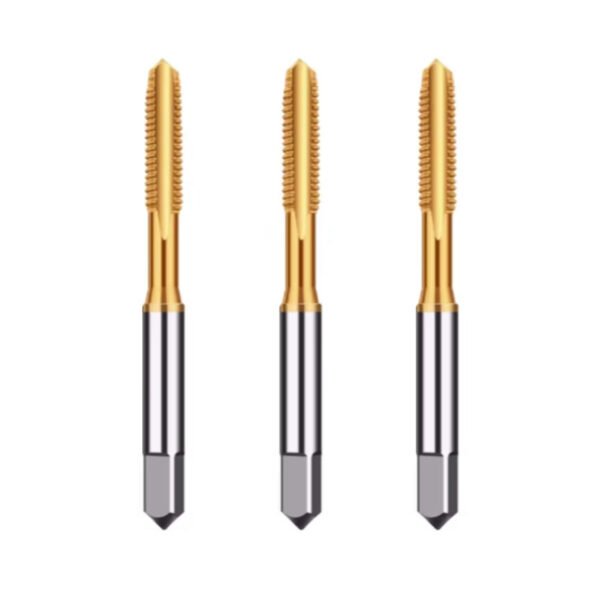
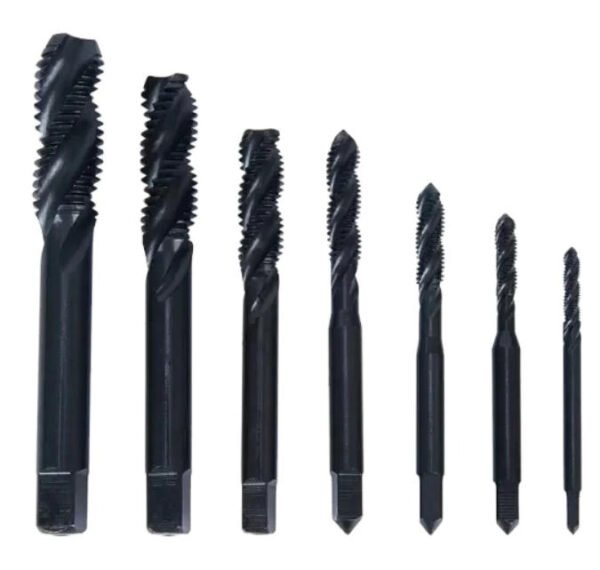
While establishing strict maintenance guidelines is essential for workshop health, long-term processing accuracy relies on selecting high-precision tooling. Since our founding in 2005, MisolTap has established itself as a leading Chinese manufacturer of high-performance thread cutting tools. We integrate R&D, production, and global sales into a seamless operation, providing our clients with robust and precise threading solutions tailored to modern manufacturing needs.
By operating our own advanced manufacturing facilities and utilizing high-precision computer-guided grinding lines, we ensure our threading tools maintain exceptional dimensional stability and uniform hardness profiles. To ensure your design and engineering teams choose the ideal base alloy for your specific production requirements, we recommend exploring our master analysis on the best material for thread taps. Procurement teams can also learn how to optimize tool selection by checking our technical overview comparing plug tap vs thread tap configurations.
Furthermore, managing different production environments requires utilizing specific tool styles. For high-volume automated lines running on modern machining centers, teams can follow our structural evaluation comparing machine tap vs hand tap characteristics. If your maintenance bay or assembly line requires restoring damaged or cross-threaded components, you can explore our diagnostic guide on using rethreading taps and dies to salvage valuable parts.
For facilities managing heavy automated drills or portable equipment setups, we recommend reviewing our step-by-step training breakdown on how to use a thread tap with power equipment safely. When your blueprints specify advanced reverse-rotation threads for rotating machinery, you can select from our premium collections highlighted in our guide on the best left hand thread tap set. To optimize your step-by-step approach when threading challenging steels or alloys, we suggest following our master workflow, titled how to tap threads in metal, to safeguard your tools and protect your production lines.
9. Frequently Asked Questions (FAQs)
What are the absolute single best ways to extend the lifespan of your thread taps?
The single most effective strategy is combining accurate pilot hole preparation with high-viscosity extreme-pressure lubricants, while utilizing synchronized rigid tapping cycles to eliminate off-axis forces and prevent friction-induced heat buildup.
Why does a thread tap break suddenly even when running at slow speeds?
Sudden failures are typically caused by chip accumulation or poor alignment. If the flutes become packed with metal shavings inside a deep hole, the chips compress, jamming the tool and generating high torque spikes that can snap the hardened shank instantly.
Can I use standard automotive motor oil or WD-40 for industrial metal tapping?
No. Standard lubricants and penetrating sprays lack the extreme-pressure additives required to withstand the high localized heat and friction of tapping. They break down rapidly under pressure, resulting in friction wear, torn threads, and premature tool dulling.
How can I tell if my threading tool is starting to dull before it breaks?
Key signs of wear include increased spindle motor load, rough or torn surface finishes on completed threads, audible squeaking or chattering during cutting, and visible micro-chipping along the leading chamfer teeth under magnification.
10. Academic and Metrology References
1. International Organization for Standardization. (2021). Fasteners — Mechanical properties of fasteners made of carbon steel and alloy steel — Coarse threads and fine pitch threads (ISO Standard No. 898-1:2013). Available via https://www.iso.org/)
2. Society of Manufacturing Engineers (SME). (2024). Tool Sourcing and Machining Handbook: Evaluating Friction, Wear, and Torsional Loading Profiles in High-Volume Threading Operations. Precision Engineering Manual Portfolio.
3. National Institute of Standards and Technology. (2025). Metrology and Dimensional Tolerance Standards for High-Speed Steel and Carbide Cutting Tools. Government Mechanical Reference Database.