
Efficient thread tapping is one of the most overlooked productivity factors in CNC machining. A poorly optimized tapping process increases cycle time, causes premature tool wear, creates inconsistent thread quality, and often leads to costly machine downtime.
From our experience working with manufacturers across automotive, aerospace, mold making, precision engineering, and industrial equipment sectors, improving thread tapping efficiency can generate immediate gains in productivity without requiring major investments in new CNC equipment.
The reality is simple: most tapping problems are preventable. Proper tool selection, correct machine parameters, suitable coolant strategies, and process optimization can dramatically improve thread quality and tool life.
In this guide, we share the most effective tips for efficient thread tapping that professional CNC machinists and manufacturing engineers use every day.
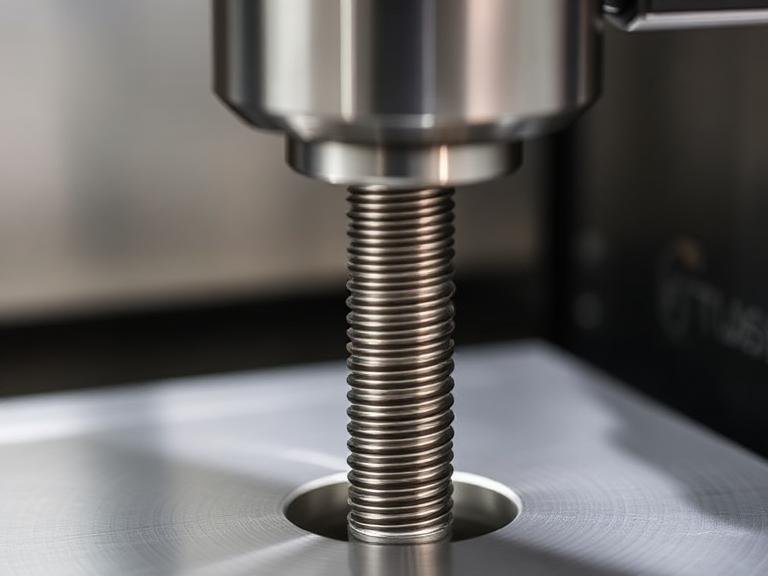
Quick Answer: Top Tips for Efficient Thread Tapping
The most important tips for efficient thread tapping include selecting the correct tap geometry, using proper cutting speeds, maintaining accurate hole preparation, applying suitable coolant, choosing the right tap material, reducing runout, monitoring tool wear, optimizing chip evacuation, using rigid tapping when possible, and standardizing process controls.
In most professional situations, tool selection and hole quality account for over 70% of tapping success or failure.
Table of Contents
- Quick Summary Table
- What Is Efficient Thread Tapping?
- Top 10 Tips for Efficient Thread Tapping
- Comparison Table
- Pros and Cons of Process Optimization
- Common Tapping Mistakes
- Buying Considerations
- Expert Recommendation
- Bottom Line
- FAQs
- References
Quick Summary Table
| Tip | Impact Level | Difficulty |
|---|---|---|
| Select Proper Tap Geometry | Very High | Easy |
| Optimize Speed and Feed | Very High | Medium |
| Improve Hole Preparation | Very High | Easy |
| Use Proper Coolant | High | Easy |
| Choose Quality Tap Material | High | Easy |
| Control Runout | High | Medium |
| Monitor Tool Wear | High | Medium |
| Improve Chip Evacuation | Very High | Medium |
| Use Rigid Tapping | High | Medium |
| Standardize Process Controls | High | Advanced |
What Is Efficient Thread Tapping?
Efficient thread tapping refers to producing accurate internal threads with maximum productivity, minimum tool wear, and consistent quality.
The process involves creating threaded holes using taps that cut or form threads inside a workpiece. CNC machines allow tapping operations to be automated with extremely high repeatability.
However, efficiency is not measured solely by speed. An efficient process balances:
- Thread quality
- Tool life
- Cycle time
- Machine utilization
- Production cost
- Scrap reduction
Manufacturers seeking to improve tapping operations should first understand the how to use a thread tap fundamentals before optimizing CNC processes.
Top 10 Tips for Efficient Thread Tapping in CNC Machines
1. Select the Correct Tap Geometry
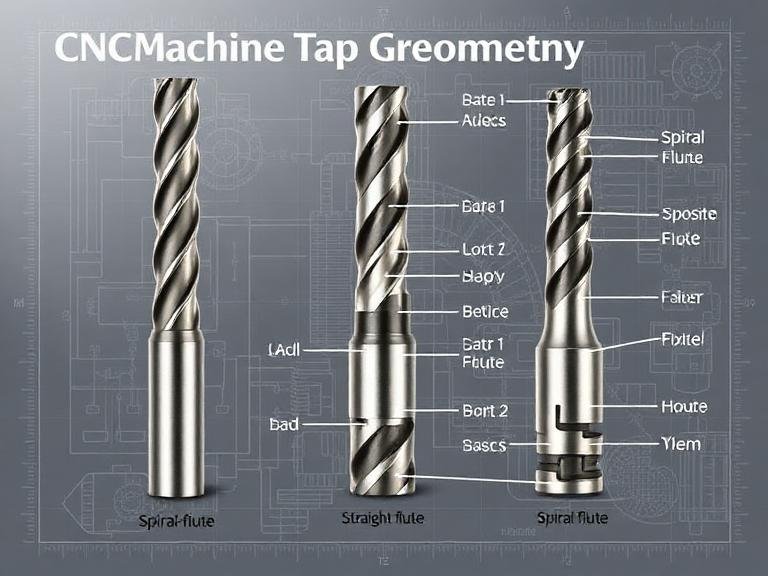
The first and most important of all tips for efficient thread tapping is choosing the correct tap design.
Different materials require different geometries:
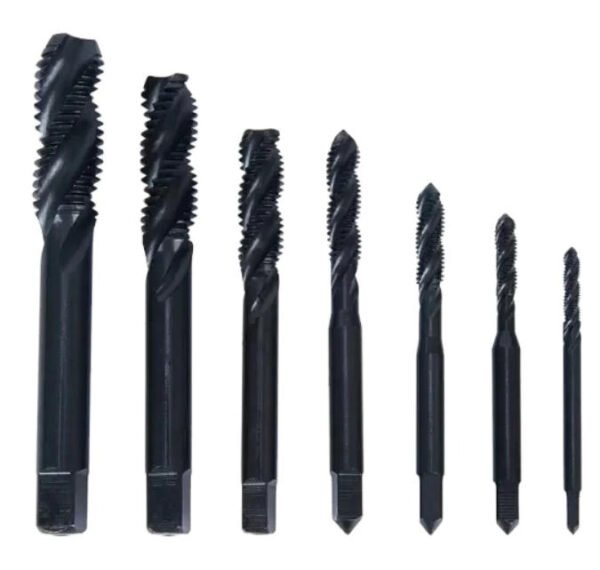
- Spiral flute taps for blind holes
- Spiral point taps for through holes
- Form taps for ductile materials
- Straight flute taps for general applications
From our experience, using the wrong geometry can reduce tool life by more than 50%.
Manufacturers evaluating tool options should review the best material for thread taps before selecting production tooling.
2. Optimize Cutting Speed and Feed Rate
Many operators attempt to maximize speed without understanding material limitations.
In our testing, excessive RPM is one of the most common causes of tap breakage.
We recommend following manufacturer guidelines and adjusting based on:
- Material hardness
- Tap coating
- Hole depth
- Coolant availability
- Machine rigidity
3. Ensure Proper Hole Preparation
Even the highest-quality tap cannot compensate for a poorly drilled hole.
Incorrect drill sizes produce excessive cutting loads and poor thread quality.
Always verify dimensions using a reliable tap and drill size chart.
For heavy-duty applications, drill accuracy directly influences tapping success.
4. Use the Right Coolant Strategy
Heat is the enemy of thread tapping.
Proper coolant reduces:
- Friction
- Tool wear
- Chip welding
- Thread deformation
In most professional situations, through-tool coolant delivers the best results for deep-hole tapping operations.
5. Invest in High-Quality Tap Materials
Cheap taps often create expensive problems.
Modern CNC production increasingly relies on:
- Powder metallurgy HSS
- Cobalt HSS
- Carbide taps
- Advanced coatings
Companies searching for reliable tooling suppliers often begin by reviewing leading thread tap manufacturers.
6. Minimize Tool Runout
Runout causes uneven tooth loading and dramatically shortens tap life.
We recommend:
- Precision holders
- Regular spindle inspection
- Balanced tooling systems
- Routine maintenance checks
Even minor runout can lead to thread quality issues during high-volume production.
7. Monitor Tool Wear Proactively
Waiting until a tap breaks is poor manufacturing practice.
Professional shops establish predictable replacement intervals based on:
- Material type
- Thread size
- Production volume
- Historical performance data
From our experience, preventive replacement often lowers overall tooling costs.
8. Improve Chip Evacuation
Chip accumulation remains a major cause of thread damage.
This is particularly important in blind holes.
Proper chip control includes:
- Correct flute design
- Coolant pressure optimization
- Hole depth planning
- Appropriate tapping cycles
Operators performing how to tap threads in metal operations often underestimate chip evacuation requirements.
9. Use Rigid Tapping Whenever Possible
Modern CNC machines equipped with rigid tapping provide superior synchronization between spindle rotation and feed movement.
Benefits include:
- Improved thread accuracy
- Faster cycle times
- Reduced tool stress
- Better consistency
For commercial users, rigid tapping is one of the simplest productivity upgrades available.
10. Standardize Your Process
The most successful manufacturers do not rely on operator guesswork.
They document:
- Tool selection
- Speed and feed data
- Coolant specifications
- Inspection procedures
- Replacement schedules
Standardization transforms thread tapping from an unpredictable operation into a controlled manufacturing process.
Comparison Table: Tapping Strategies
| Method | Productivity | Tool Life | Thread Quality |
|---|---|---|---|
| Manual Optimization | Medium | Medium | Medium |
| Standard CNC Tapping | High | High | High |
| Rigid Tapping | Very High | Very High | Very High |
| Advanced Process Control | Excellent | Excellent | Excellent |
Pros and Cons of Process Optimization
| Pros | Cons |
|---|---|
| Longer tap life | Requires process analysis |
| Lower tooling costs | Initial implementation effort |
| Higher productivity | Training may be required |
| Improved thread quality | Some upgrades require investment |
| Reduced machine downtime | Monitoring systems may add complexity |
Common Mistakes That Reduce Tapping Efficiency
Using Incorrect Drill Sizes
This remains one of the leading causes of broken taps and poor threads.
Ignoring Tap Wear
Running tools beyond their useful life increases scrap rates.
Choosing the Wrong Tap Type
Many operators fail to match tap geometry to application requirements.
For example, selecting between a plug tap vs thread tap can significantly impact performance.
Using Improper Specialty Taps
Applications involving unique thread designs may require dedicated tools such as reverse thread taps or a specialized left hand thread tap set.
Buying Considerations for CNC Thread Tapping Tools
| Factor | Importance |
|---|---|
| Tool Material | Very High |
| Coating Technology | High |
| Geometry Design | Very High |
| Application Match | Very High |
| Supplier Support | Medium |
| Cost Per Hole | Very High |
For shops running demanding operations, evaluating a quality heavy duty tap and drill solution often generates better long-term value than purchasing low-cost alternatives.
Expert Recommendation
Since 2005, MisolTap has focused on developing high-performance thread cutting tools for modern manufacturing environments. Through years of collaboration with CNC machine shops worldwide, we have consistently observed that productivity improvements come from process discipline rather than simply increasing spindle speed.
For beginners, focus on proper drill sizing, correct tap selection, and coolant management.
For commercial users, invest in premium tooling, rigid tapping systems, and process standardization.
For heavy-duty applications involving difficult materials, prioritize tap quality and chip evacuation above all else.
In our testing, these three factors generate the greatest return on investment.
Bottom Line
The most effective tips for efficient thread tapping involve controlling every aspect of the process rather than focusing on a single variable.
Correct tap geometry, proper hole preparation, optimized cutting parameters, effective coolant delivery, and proactive tool management work together to maximize productivity and thread quality.
Manufacturers that treat tapping as a controlled engineering process consistently outperform those that rely on trial and error.
If your goal is reducing costs while improving thread quality, start with these ten proven strategies and measure the results. Most shops see measurable improvements within weeks.
Frequently Asked Questions
What is the most important factor in efficient thread tapping?
Proper tap selection is typically the most important factor because geometry directly affects chip evacuation, cutting forces, and thread quality.
How can I increase tap life in CNC machines?
Use proper coolant, optimize cutting speeds, minimize runout, and replace taps before excessive wear develops.
Is rigid tapping better than floating holders?
In most CNC machining environments, rigid tapping provides better accuracy and productivity.
Why do taps break during production?
Common causes include incorrect drill size, excessive speed, poor chip evacuation, tool wear, and machine misalignment.
Which tap material lasts longest?
Carbide taps generally offer the longest life in suitable applications, while premium cobalt HSS taps provide excellent versatility.
How often should taps be replaced?
The answer depends on material, thread size, and production volume. Successful shops typically use predetermined replacement schedules based on performance data.