
The manufacturing world is changing faster than most machining departments realize. Aerospace engineers are replacing steel with titanium alloys. Electric vehicle manufacturers are increasingly using aluminum-lithium composites. Medical device companies are adopting advanced polymers and biocompatible materials. Semiconductor equipment builders are turning to exotic alloys and additive-manufactured components.
This shift creates a new challenge: traditional threading practices often fail when applied to modern materials.
If you want a direct answer, emerging materials require thread taps with specialized geometries, advanced coatings, optimized cutting edges, and application-specific machining strategies. Standard taps that perform perfectly in mild steel frequently struggle in titanium, carbon fiber composites, high-temperature alloys, and additive-manufactured metals.

From our experience, thread quality problems are rarely caused by the machine itself. More often, the issue is that the tap technology has not evolved alongside the material being machined.
Quick Answer
Emerging materials and how thread taps adapt refers to the evolution of threading tool technology designed to machine newer, harder, lighter, and more specialized engineering materials.
- What it is: The adaptation of thread tap designs for advanced manufacturing materials.
- How it works: Through optimized flute geometry, coatings, substrate materials, and cutting parameters.
- Benefits: Better thread quality, longer tool life, fewer broken taps, and higher production efficiency.
- Limitations: Specialized taps often cost more than general-purpose alternatives.
- Who should use it: Aerospace, automotive, EV, medical, energy, and precision engineering manufacturers.
- Who does not need it: Shops machining only mild steel or standard cast iron components.
- Common mistakes: Using standard taps on exotic materials without adjusting speeds or lubrication.
- Buying considerations: Material hardness, chip formation behavior, production volume, and machine rigidity.
- Expert recommendation: Match the tap design to the material instead of trying to force one tap to machine every material.
Table of Contents
- What Are Emerging Materials?
- Why Traditional Taps Struggle
- Key Emerging Materials
- How Thread Taps Adapt
- Comparison Table
- Pros and Cons
- Buying Guide
- Common Mistakes
- Expert Recommendations
- Bottom Line
- FAQs
- References
What Are Emerging Materials?
Emerging materials are advanced engineering materials increasingly used in modern manufacturing because they offer superior performance compared to conventional metals.
Examples include:
- Titanium alloys
- Nickel-based superalloys
- Carbon fiber reinforced polymers
- Glass fiber composites
- High-strength aluminum alloys
- Magnesium alloys
- Additive-manufactured metals
- Advanced stainless steels
- High-performance engineering plastics
- Ceramic-metal hybrid materials
These materials provide lighter weight, better corrosion resistance, higher strength-to-weight ratios, and improved thermal properties. However, they also introduce significant threading challenges.
Why Traditional Thread Taps Struggle with Emerging Materials
Many thread taps were originally optimized for standard steels and cast iron. Modern materials behave differently during cutting.
Titanium Generates Heat
Titanium alloys retain heat at the cutting edge instead of dissipating it through the workpiece. This dramatically accelerates tool wear.
Composites Cause Abrasion
Carbon fiber materials act almost like sandpaper against cutting edges.
Additive Manufactured Parts Create Variable Density
3D-printed metal components may contain internal inconsistencies that affect thread formation.
High-Nickel Alloys Work Harden Rapidly
If cutting conditions are incorrect, materials become harder during machining.
In our testing, many shops mistakenly blame machine rigidity when the actual problem is a tap geometry mismatch.
The Most Important Emerging Materials in Manufacturing
1. Titanium Alloys
Widely used in aerospace, medical implants, and defense systems.
Taps used in titanium require premium coatings and carefully controlled cutting parameters.
2. Carbon Fiber Reinforced Polymer (CFRP)
CFRP continues expanding across aerospace and EV manufacturing.
Standard threading methods often cause delamination and fiber pull-out.
3. Inconel and Nickel Superalloys
Jet engines, gas turbines, and energy systems rely heavily on these materials.
For heavy-duty applications, thread taps require extreme heat resistance and superior edge stability.
4. Advanced Aluminum Alloys
Electric vehicle manufacturers increasingly use lightweight aluminum structures.
Although softer than titanium, aluminum creates chip control challenges.
5. High-Performance Polymers
PEEK, PTFE, and engineering thermoplastics are becoming common in medical and electronics applications.
How Thread Taps Adapt to Emerging Materials
Advanced Tool Materials
Modern taps increasingly use powder metallurgy high-speed steel and carbide substrates.
These materials provide better wear resistance and heat tolerance than conventional HSS.
For shops comparing tooling technologies, understanding different types of thread taps is essential before selecting tooling.
Specialized Coatings
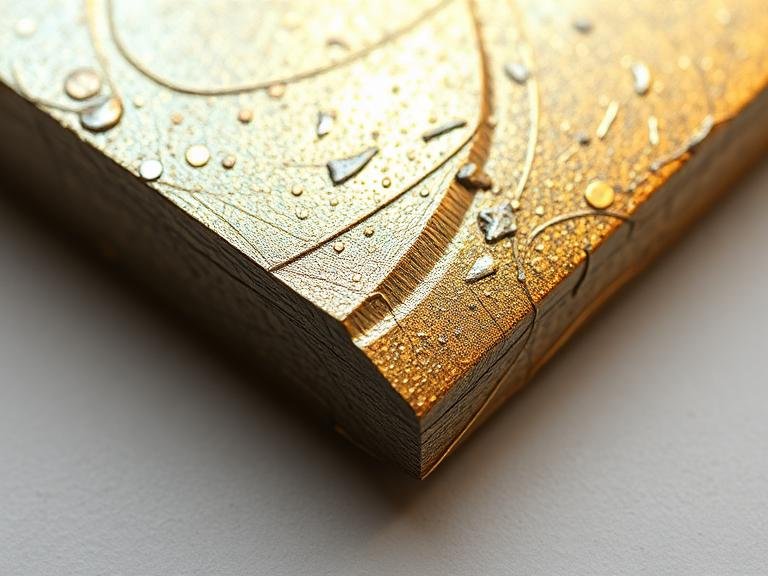
Coatings have become critical.
Common advanced coatings include:
- TiN
- TiCN
- TiAlN
- AlCrN
- DLC coatings
These coatings reduce friction, increase wear resistance, and improve thermal performance.
Optimized Flute Geometry
Modern thread taps feature customized flute designs depending on chip formation characteristics.
Materials producing long chips require completely different geometries than brittle materials.
Variable Helix Design
Variable helix flutes improve chip evacuation and reduce vibration.
This is particularly useful when machining aerospace alloys.
Form Tapping Technology
In many aluminum and ductile materials, form taps outperform cutting taps.
They create threads through material displacement rather than chip generation.
Industry Standards and Professional Practice
Professional manufacturers increasingly follow tool-life monitoring protocols and process optimization standards rather than relying on operator judgment alone.
In most professional situations, successful threading involves balancing:
- Tool geometry
- Coating selection
- Lubrication strategy
- Machine rigidity
- Material characteristics
- Hole preparation accuracy
Correct hole preparation remains critical. Shops should consult proper pipe thread tap size chart references before production.
Comparison Table: Emerging Materials and Thread Tap Requirements
| Material | Main Challenge | Recommended Tap | Difficulty Level |
|---|---|---|---|
| Titanium | Heat generation | Coated carbide tap | Very High |
| Inconel | Work hardening | Premium PM-HSS tap | Very High |
| Aluminum Alloy | Chip control | Spiral flute tap | Medium |
| CFRP | Abrasion | Diamond-coated tap | High |
| PEEK | Material deformation | Precision form tap | Medium |
| Additive Metals | Density variation | Custom geometry tap | High |
Pros and Cons of Advanced Thread Tap Technology
| Advantages | Limitations |
|---|---|
| Longer tool life | Higher initial tooling cost |
| Higher thread accuracy | Requires process optimization |
| Lower scrap rates | Application-specific selection required |
| Improved productivity | More operator training needed |
| Reduced machine downtime | Inventory management becomes more complex |
Buying Considerations for Modern Thread Taps
| Factor | Recommendation |
|---|---|
| Material Type | Select application-specific tap geometry |
| Production Volume | High-volume production benefits from premium tooling |
| Hole Depth | Choose flute style accordingly |
| Thread Type | Match geometry to thread standard |
| Machine Capability | Ensure adequate rigidity and spindle control |
| Coolant Strategy | Critical for heat-resistant alloys |
For example, shops machining pipe threads should understand differences between tapered vs straight thread systems before selecting tooling.
Likewise, understanding a 1/4 NPT thread tap guide can prevent costly thread fitment issues.
Common Mistakes When Threading Emerging Materials
Using General-Purpose Taps
One tap cannot efficiently machine every material.
Ignoring Cutting Speed Adjustments
Proper drilling speed for metal and tapping speed adjustments significantly impact tool life.
Using Insufficient Lubrication
Advanced materials often require specialized cutting fluids.
Choosing Low-Quality Tooling
In our experience, cheap taps frequently become expensive when downtime and scrap costs are included.
Incorrect Thread Design Selection
Applications may benefit from alternative thread forms such as those discussed in acme thread vs normal thread comparisons.
Expert Recommendation
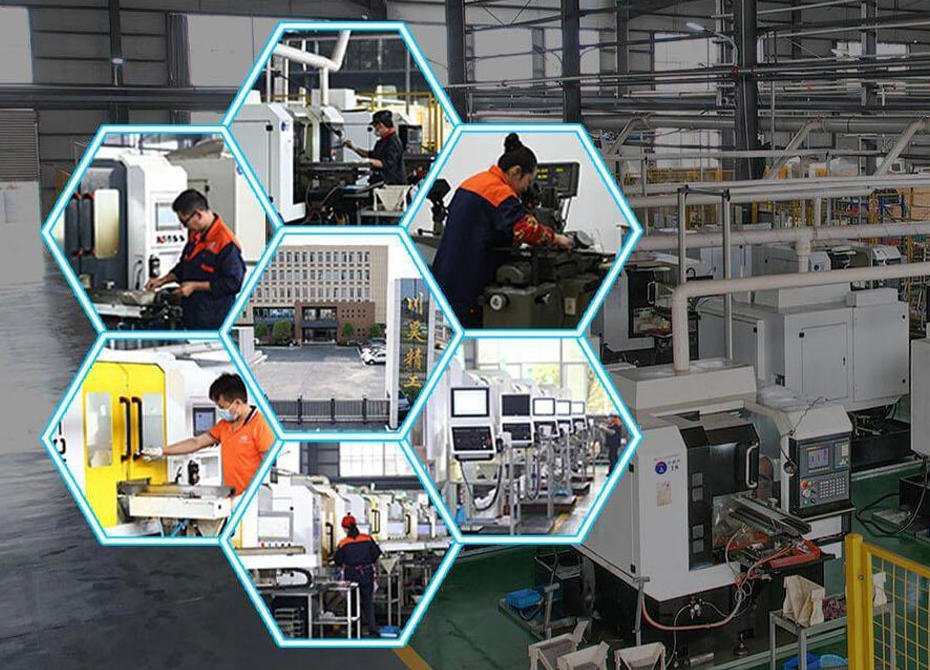
Since 2005, MisolTap has worked closely with manufacturers facing increasingly difficult threading applications.
Our observation is simple: emerging materials are not a temporary trend. They represent the future of manufacturing.
For beginners, premium coated HSS taps provide a practical entry point.
For commercial users machining titanium, aerospace alloys, or advanced composites, we recommend investing in material-specific tooling strategies.
For heavy-duty applications, working with experienced thread tap manufacturers is often more cost-effective than repeatedly troubleshooting broken tools.
Specialized solutions such as reverse thread taps and advanced heavy duty tap and drill systems continue gaining importance as materials evolve.
Bottom Line
Emerging materials and how thread taps adapt is no longer a niche engineering topic. It is becoming a critical manufacturing competency.
As aerospace, EV, medical, semiconductor, and energy industries adopt more advanced materials, thread tap technology must evolve alongside them.
From our experience, the manufacturers achieving the best productivity are not necessarily using the most expensive taps. They are using the right tap for the right material.
The future belongs to application-specific tooling, advanced coatings, optimized geometries, and process-driven machining strategies.
Frequently Asked Questions
Why do emerging materials require specialized thread taps?
Emerging materials often generate more heat, cause greater abrasion, or exhibit unusual chip formation behavior compared to conventional metals.
What is the most difficult material to tap?
Titanium alloys, Inconel, and other nickel-based superalloys are among the most challenging materials for threading operations.
Are carbide taps better than HSS taps?
Not always. Carbide performs exceptionally well in certain applications, but premium PM-HSS taps may be better in interrupted cutting conditions.
Can standard taps machine carbon fiber composites?
They can, but tool life and thread quality are usually inferior compared to specialized composite machining tools.
How important is coating selection?
Coating selection is often one of the biggest factors affecting tap life in advanced materials.
Is form tapping suitable for emerging materials?
For aluminum alloys and ductile materials, form tapping frequently provides excellent thread quality and longer tool life.