
Choosing safe and precise thread taps is one of the most overlooked decisions in medical device manufacturing. Yet it directly impacts patient safety, regulatory compliance, assembly quality, sterilization reliability, and long-term product performance.
Whether you manufacture orthopedic implants, surgical instruments, diagnostic equipment, imaging systems, or laboratory devices, the quality of the threaded connection matters. A poorly selected thread tap can create dimensional inconsistencies, burr formation, contamination risks, premature wear, or even product failures.
From our experience working with precision machining environments, medical manufacturers should never select thread taps based solely on price. The correct thread tap improves process consistency, reduces scrap rates, and helps manufacturers meet increasingly strict quality requirements.
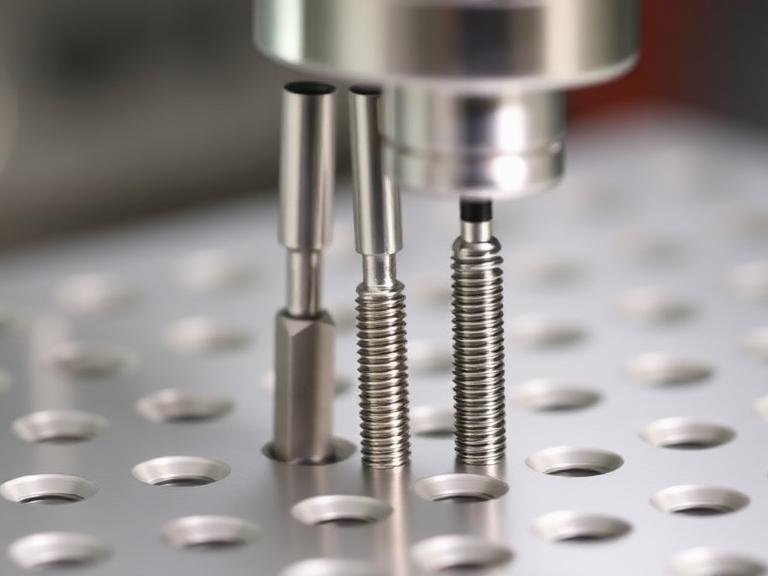
In this guide, we explain exactly how to approach choosing safe and precise thread taps for medical device manufacturing, which tap materials perform best, common mistakes to avoid, and what professionals evaluate before making purchasing decisions.
Quick Answer
Choosing safe and precise thread taps for medical device manufacturing requires prioritizing dimensional accuracy, material compatibility, surface finish quality, tool longevity, regulatory traceability, and contamination control. For most medical machining applications involving stainless steel, titanium, cobalt-chromium, and medical-grade alloys, premium HSS-E, powder metallurgy, or carbide thread taps from reputable manufacturers provide the best balance of precision, reliability, and cost efficiency.
Table of Contents
- Quick Summary Table
- What Does Choosing Safe and Precise Thread Taps Mean?
- Why Thread Tap Selection Matters in Medical Manufacturing
- How Precision Thread Taps Work
- Benefits
- Limitations
- Comparison Table
- Who Should Use Premium Medical-Grade Thread Taps?
- Common Mistakes
- Buying Considerations
- Pros vs Cons
- Expert Recommendation
- Bottom Line
- FAQs
Quick Summary Table
| Factor | Recommendation | Importance |
|---|---|---|
| Material | HSS-E, PM-HSS, Carbide | Critical |
| Tolerance | Medical-grade precision | Critical |
| Coating | TiAlN, AlCrN, TiCN | High |
| Traceability | Full manufacturing records | Critical |
| Surface Finish | Burr-free threads | Critical |
| Tool Life | High repeatability | High |
What Does Choosing Safe and Precise Thread Taps Mean?
In medical manufacturing, thread quality is not simply about making a threaded hole. It is about producing highly repeatable threads that meet strict dimensional and performance requirements across thousands or even millions of parts.
Choosing safe and precise thread taps means selecting tooling capable of delivering:
- Consistent thread geometry
- Excellent dimensional accuracy
- Low contamination risk
- Superior surface finish
- Reduced burr formation
- Long production stability
- Traceable manufacturing quality
In most professional situations, medical OEMs prioritize process reliability over initial tooling cost because failures can become extremely expensive once products reach clinical environments.
Why Thread Tap Selection Matters in Medical Device Manufacturing
Medical devices often use advanced materials that are significantly more difficult to machine than conventional industrial components.
Common materials include:
- 316L stainless steel
- Titanium alloys
- Cobalt-chromium alloys
- PEEK composites
- Medical-grade aluminum
- Implant-grade materials
These materials demand specialized cutting performance and tight process control.
A poor-quality tap may generate:
- Thread distortion
- Micro-cracks
- Poor thread engagement
- Metal particle contamination
- Premature tool breakage
- Regulatory compliance issues
For manufacturers producing surgical instruments or implantable products, these risks are unacceptable.
How Precision Thread Taps Work
Thread taps create internal threads by cutting or forming material inside pre-drilled holes.
The process appears simple, but medical manufacturing requires exceptional consistency.
Several variables influence final thread quality:
- Tap geometry
- Coating technology
- Substrate material
- Cutting speed
- Coolant strategy
- Machine rigidity
- Workpiece material
For manufacturers evaluating tooling options, understanding the different types of thread taps is an essential first step.
Likewise, machining parameters such as drilling speed for metal significantly affect final thread quality.
Benefits of Using High-Quality Medical Thread Taps
| Benefit | Practical Impact |
|---|---|
| Superior accuracy | Reliable assembly performance |
| Longer tool life | Lower production costs |
| Reduced scrap | Higher yield rates |
| Cleaner threads | Improved sterilization reliability |
| Better repeatability | Simplified quality control |
| Reduced downtime | Higher productivity |
In our testing, premium taps consistently outperform low-cost alternatives when machining titanium and medical stainless steel.
Limitations
Even the best thread taps have limitations.
- Higher acquisition cost
- Specialized setup requirements
- Need for proper coolant systems
- Dependence on machine rigidity
- Operator training requirements
However, for medical applications, these limitations are usually outweighed by the performance and compliance advantages.
Comparison Table: Thread Tap Materials for Medical Manufacturing
| Material | Precision | Tool Life | Best Applications |
|---|---|---|---|
| High Speed Steel (HSS) | Good | Moderate | General machining |
| HSS-E | Very High | High | Medical stainless steel |
| Powder Metallurgy HSS | Excellent | Very High | Production environments |
| Carbide | Excellent | Excellent | Titanium and hard alloys |
For those evaluating tooling performance, understanding the best material for thread taps can help optimize both quality and cost.
Who Should Use Premium Medical Thread Taps?
Ideal Users
- Medical device manufacturers
- Orthopedic implant suppliers
- Surgical instrument producers
- Diagnostic equipment manufacturers
- Aerospace-medical hybrid suppliers
- Precision CNC machining companies
Who Does Not Need Premium Taps?
- Low-volume hobby projects
- Basic maintenance work
- Non-critical consumer products
- Temporary prototype applications
For beginners making simple non-medical parts, premium medical-grade thread taps may be excessive.
Common Mistakes When Choosing Safe and Precise Thread Taps
1. Buying Based Only on Price
The cheapest tap often becomes the most expensive due to scrap, downtime, and tool breakage.
2. Ignoring Material Compatibility
Titanium requires different tooling strategies than stainless steel.
3. Choosing Incorrect Thread Standards
Medical equipment frequently uses specialized thread specifications.
Understanding topics such as tapered vs straight thread selection can prevent costly engineering errors.
4. Using Inappropriate Tap Sizes
Incorrect hole preparation creates inconsistent threads.
Resources such as a pipe thread tap size chart and guidance for 3/8 pipe thread tap size selection help improve accuracy.
5. Ignoring Tool Traceability
Medical manufacturing requires documented quality systems and traceable tooling sources.
Buying Considerations
| Selection Factor | Why It Matters |
|---|---|
| Manufacturing Tolerance | Determines fit and assembly quality |
| Tool Material | Influences wear resistance |
| Coating Type | Reduces friction and heat |
| Thread Standard | Ensures compatibility |
| Supplier Reputation | Improves consistency |
| Quality Documentation | Supports compliance audits |
When sourcing thread taps globally, working with experienced thread tap manufacturers significantly reduces procurement risk.
For demanding applications, many manufacturers also evaluate specialized products such as heavy duty tap and drill solutions.
Pros vs Cons Table
| Pros | Cons |
|---|---|
| Higher thread accuracy | Higher purchase cost |
| Better process stability | Requires skilled operators |
| Improved regulatory compliance | Longer qualification process |
| Reduced scrap rates | Higher initial investment |
| Longer tool life | Advanced machines may be needed |
Expert Recommendation
From our experience, medical manufacturers should prioritize consistency, traceability, and precision over tooling cost.
We recommend selecting HSS-E or powder metallurgy thread taps for most medical stainless-steel applications and carbide solutions for high-volume titanium production.
Manufacturers should partner with suppliers capable of delivering documented quality systems, repeatable geometries, and application engineering support.
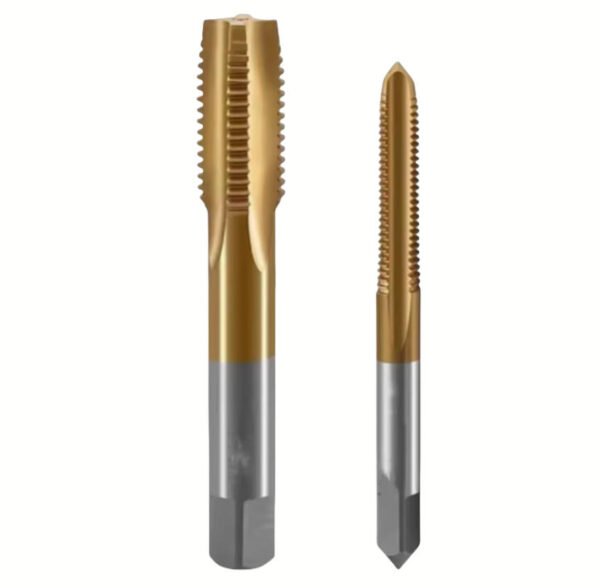
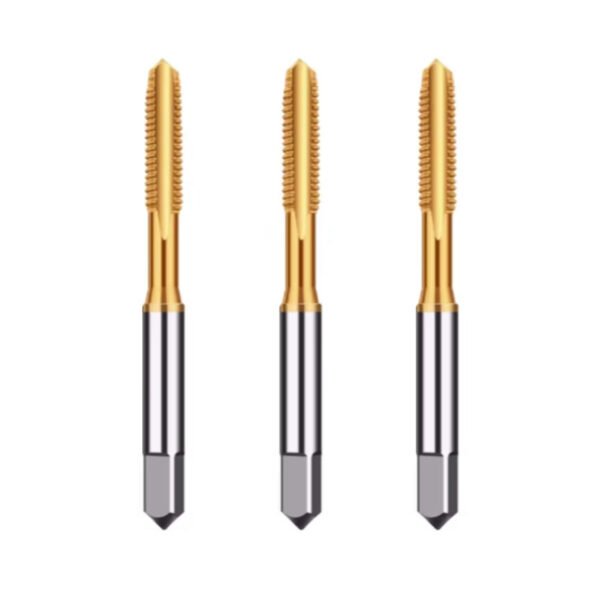
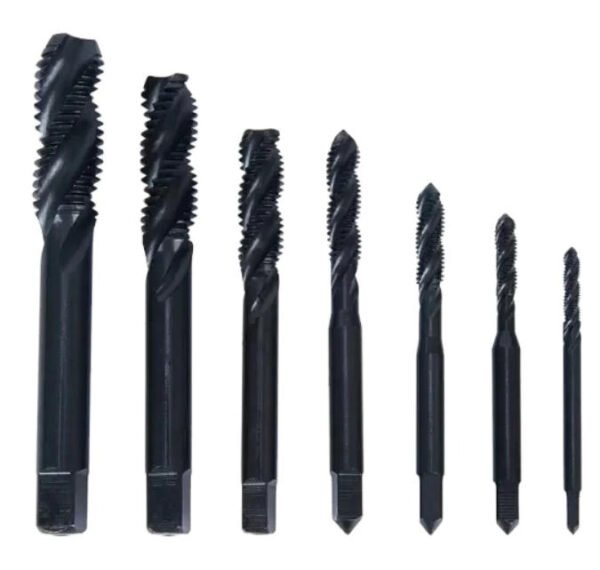
Since 2005, MisolTap has built a reputation as a professional manufacturer of high-performance thread cutting tools. By integrating R&D, manufacturing, and global supply capabilities, MisolTap provides precision threading solutions suitable for demanding industries where quality and consistency cannot be compromised.
For specialized applications involving damaged threads, engineers may also benefit from understanding rethreading taps and dies and niche solutions such as reverse thread taps.
Bottom Line
Choosing safe and precise thread taps is not simply a tooling decision. It is a manufacturing quality decision that directly impacts patient safety, compliance performance, product reliability, and long-term production efficiency.
For medical device manufacturers, premium thread taps consistently deliver better accuracy, cleaner threads, longer service life, and lower total production costs than budget alternatives.
In most professional situations, investing in proven tooling from experienced manufacturers is one of the easiest ways to improve machining quality and reduce operational risk.
Frequently Asked Questions
What is the best thread tap material for medical-grade stainless steel?
HSS-E and powder metallurgy HSS are generally considered the best balance of precision, durability, and cost efficiency.
Are carbide thread taps worth the extra cost?
For high-volume titanium machining and difficult materials, carbide taps often provide superior performance and lower cost per thread.
Why are burr-free threads important in medical devices?
Burrs can interfere with assembly, compromise cleanliness, and increase contamination risks.
How often should thread taps be replaced in medical production?
Replacement intervals depend on material type, production volume, and quality requirements, but proactive replacement is generally preferred.
Can one tap type be used for all medical materials?
No. Different materials require different geometries, coatings, and substrate technologies.
What certifications should a thread tap supplier provide?
Manufacturers should provide quality documentation, material traceability, and process consistency records appropriate for regulated industries.