
In modern electronics manufacturing, miniaturization is the permanent baseline. As device footprints shrink, the engineering requirement to tap micro-threads (ranging from M1 to M3) into soft chassis materials like aluminum, brass, or copper becomes increasingly unforgiving. From our experience supplying high-performance threading solutions to tier-one electronics manufacturers, treating a micro-tapping operation like a standard structural threading job is a guaranteed recipe for broken tools, scrapped components, and blown production margins.
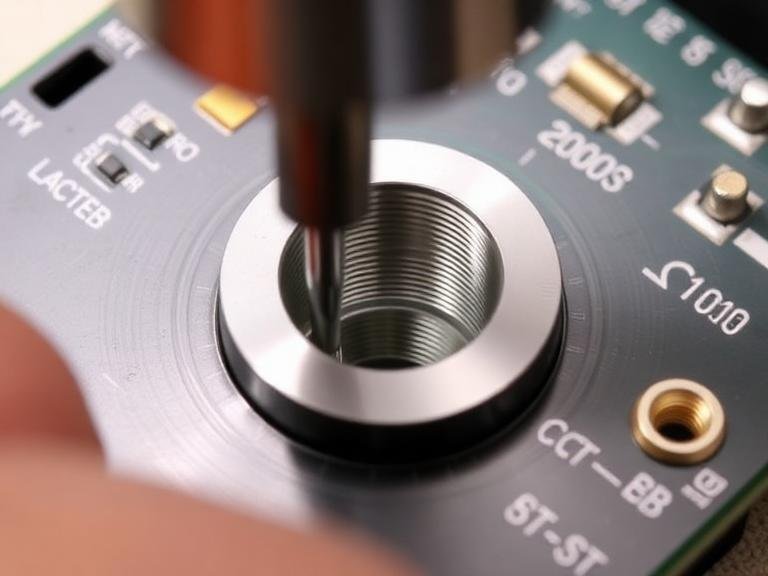
In most professional situations, the cross-sectional core of an M1.5 tap possesses virtually zero shear strength. If your spindle runout is poor, or if your chip evacuation strategy is flawed, the tap will snap instantly inside a high-value machined housing. You must apply commercial and practical judgment when selecting your tooling geometry, calculating hole tolerances, and applying lubrication. In this technical guide, we will outline the most critical tips for threading small diameter holes, dissect the operational mechanics of micro-tapping, and help you determine whether your current assembly process requires an immediate tooling upgrade.
Quick Answer: Top Tips for Threading Small Diameter Holes
To successfully thread micro-holes (under 3mm) in electronics assembly without breaking tools, you must strictly follow these parameters: First, whenever the chassis material is ductile (aluminum, brass, copper), abandon cutting taps entirely and switch to Forming Taps (Roll Taps). Forming taps generate zero chips, eliminating the risk of cleanroom contamination and flute packing. Second, strictly adhere to a highly precise tap and drill size chart; a pilot hole that is undersized by just 0.02mm will snap a micro tap. Finally, utilize a CNC machine with rigid tapping capabilities or a specialized micro-tapping head. Never attempt to hand-tap high-volume micro-holes without a dedicated tapping stand.
Table of Contents
- What It Is: Micro-Tapping in Electronics
- How It Works: Cutting vs. Forming at Scale
- The Strategic Benefits of Precision
- Inherent Limitations and Risks
- Who Should Use Micro-Tapping Tooling
- Who Does Not Need It
- Common Machining Mistakes
- Critical Buying Considerations
- Essential Reference Tables
- Expert Recommendation from MisolTap
- The Bottom Line
- Frequently Asked Questions
- Authoritative References
What It Is: Micro-Tapping in Electronics
In the context of electronics assembly, threading small diameter holes refers to the precision machining process of creating internal threads that are typically M3 (3mm) or smaller. These microscopic threads are essential for securing PCB standoffs, fastening heat sinks to microprocessors, and sealing external aluminum or magnesium alloy enclosures. Understanding how to tap threads in metal at this scale requires a complete departure from standard construction or automotive machining practices.
How It Works: Cutting vs. Forming at Scale
Micro-tapping relies on either material removal or material displacement. When using a cutting tap, the tool physically shears away the base material to carve out the thread profile. The chips generated must evacuate through the flutes of the tap. In a blind hole as small as M2, those flutes are incredibly narrow, making chip packing a primary cause of tool failure.
Alternatively, roll forming taps do not cut. They feature a lobed polygonal geometry that cold-forms the metal, pressing it outward and upward to create the thread crests. Because there are no flutes required for chip evacuation, the solid core of a forming tap is significantly thicker and vastly more durable than a cutting tap of the same diameter. This distinction is vital when evaluating the different types of thread taps for your assembly line.
The Strategic Benefits of Precision
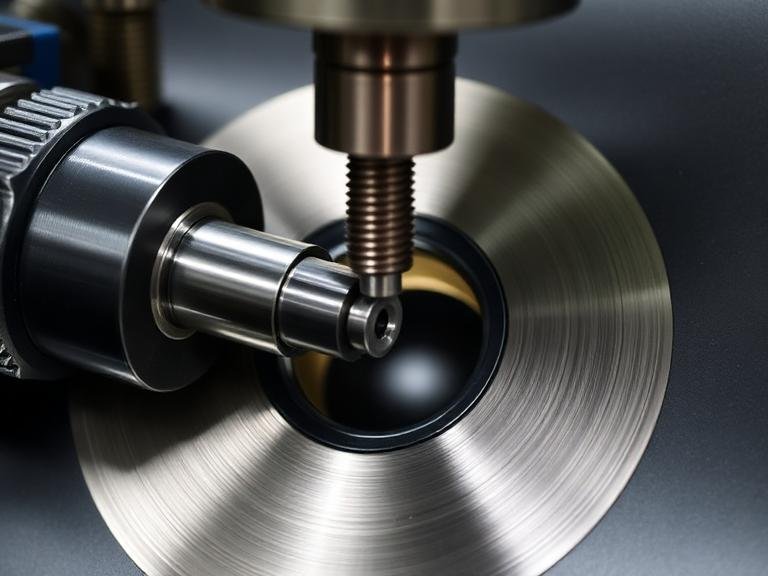
Mastering these tips for threading small diameter holes yields immediate and profound commercial benefits for an OEM. First, it eradicates scrap rates. A broken M1.5 tap stuck inside a fully machined, anodized aluminum smartphone housing renders the entire component useless. Second, implementing the correct forming tap technology provides superior thread pull-out strength. Because the metal grain structure is compressed rather than severed, formed threads resist the high-frequency vibration profiles common in aerospace and automotive electronics assemblies.
Inherent Limitations and Risks
We believe in absolute practical judgment: tapping micro-holes carries extreme risk. The limitation of an M1 or M2 tap is its physical fragility. Any misalignment, angular deflection, or lack of lubrication will result in instantaneous torsion failure. Furthermore, if you are forced to cut threads in abrasive materials like high-silicon aluminum or fiberglass-reinforced plastics, forming taps will not work. You must rely on cutting taps, which mandates meticulous chip management and frequent peck-tapping cycles to prevent the tool from binding.
Who Should Use Micro-Tapping Tooling
For commercial users and CNC machinists: If you are manufacturing high-volume consumer electronics, wearables, or medical telemetry devices, you must procure specialized machine taps engineered for micro-applications. Partnering with a dedicated din371 thread tap supplier ensures you are receiving tooling with reinforced, thickened shanks designed to eliminate vibration during high-speed rigid tapping cycles on a CNC mill.
Who Does Not Need It
For heavy-duty structural applications: If you are assembling server racks, fabricating heavy gauge sheet metal, or tapping M8 and above, the hyper-sensitive protocols required for micro-tapping do not apply to your workflow. You can utilize standard cutting taps and aggressive feed rates without fear of micro-torsion breakage.
Common Machining Mistakes
From our experience auditing failed manufacturing lines, the most devastating mistake is misunderstanding the machine tap vs hand tap dynamic. Attempting to use a brittle, uncoated hand tap in a high-speed CNC spindle guarantees immediate tool destruction. Hand taps are designed with a straight flute geometry that cannot evacuate chips during continuous high-rpm rotation.
Another catastrophic error is drilling the pilot hole too small. Many machinists blindly follow standard charts targeting a 75% thread engagement. When working with micro-taps in soft aluminum, driving a 75% thread causes massive friction. Stepping up the drill size by just a fraction of a millimeter to target a 60% or 65% thread engagement drastically reduces the torque on the tap while maintaining more than enough fastening strength for a micro-screw.
Critical Buying Considerations
When selecting tooling for your electronics assembly operation, enforce strict commercial criteria:
- Tap Geometry: If you must use cutting taps, select spiral point taps for through holes (pushes chips forward) and spiral flute taps for blind holes (pulls chips upward). Never use a straight flute tap in a blind micro-hole. Evaluate the nuances of a plug tap vs thread tap to ensure the chamfer length matches your hole depth clearance.
- Tool Coating: Uncoated high-speed steel (HSS) is unacceptable for high-volume aluminum tapping. You must specify TiN, TiCN, or specialized DLC (Diamond-Like Carbon) coatings to prevent the soft metal from galling and cold-welding to the cutting edges.
- Lubrication: You cannot cut micro-threads dry. High-quality tapping fluids or minimum quantity lubrication (MQL) systems are mandatory to reduce friction and evacuate heat from the tiny shear zone.
Essential Reference Tables
Quick Summary Table: Micro-Tapping Best Practices
| Machining Parameter | Recommended Approach | Reasoning |
|---|---|---|
| Tap Selection (Ductile Metals) | Forming Taps (Roll Taps) | Zero chips, stronger threads, much thicker tool core prevents breakage. |
| Tap Selection (Blind Holes) | Spiral Flute Cutting Taps | Extracts chips upward, preventing packing at the bottom of the hole. |
| Thread Engagement Target | 60% to 65% | Reduces cutting torque significantly; sufficient strength for electronics. |
| Tool Holding | Tension/Compression Collets | Compensates for minor feed/speed discrepancies, preventing tap snapping. |
Comparison Table: Cutting Taps vs. Forming Taps
| Feature | Cutting Taps | Forming Taps |
|---|---|---|
| Material Compatibility | All materials (Plastics, Cast Iron, Hardened Steel) | Only ductile materials (Aluminum, Brass, Soft Copper) |
| Chip Generation | High (Requires evacuation strategy) | Zero (Ideal for cleanroom electronics) |
| Tool Strength | Lower (Flutes weaken the core) | Very High (Solid lobed core) |
| Pilot Hole Tolerance | Standard | Extremely Tight (Requires precise drill sizing) |
Pros and Cons Table: CNC Rigid Tapping for Micro-Holes
| Pros | Cons |
|---|---|
| Incredible speed and repeatability for mass production. | Spindle runout of even 0.01mm will snap an M2 tap. |
| Synchronized feed and speed eliminates thread distortion. | Requires expensive, highly calibrated CNC machinery. |
| Allows for precise peck-tapping to clear chips automatically. | Inflexible if material hardness varies between batches. |
Buying Guide Table: Tapping Aluminum Electronic Enclosures
| Enclosure Type | Hole Type | Recommended Tooling Configuration |
|---|---|---|
| Extruded Aluminum Heat Sink | Blind Hole (M2.5) | TiCN Coated Forming Tap. High spindle speed with heavy MQL lubrication. |
| Die-Cast Magnesium Housing | Through Hole (M2) | Spiral Point Cutting Tap. Pushes chips out the bottom, preventing internal jamming. |
| Printed Circuit Board (FR4) | Through Hole (M3) | Uncoated or Diamond-coated Straight Flute Cut Tap. Abrasive fiberglass requires cutting, not forming. |
Expert Recommendation from MisolTap
In most professional situations, treating micro-tapping as an afterthought in your CAM programming will destroy your yield rates. If you are struggling with tap breakage or stripped threads in your electronics enclosures, the fault almost certainly lies in your tool selection or your pilot hole diameter.
Since our founding in 2005, MisolTap has established itself as a leading Chinese manufacturer of high-performance thread cutting tools. We integrate R&D, production, and global sales into a seamless operation, providing our clients with robust and precise threading solutions tailored to modern manufacturing needs.
We strongly recommend that electronics manufacturers audit their current processes. If you are cutting threads in 6061 aluminum, immediately upgrade to premium roll forming taps. Before commencing your next production run, review our guide on how to use a thread tap safely to ensure your fixturing and alignment are flawless. Precision tooling is not an expense; it is the ultimate insurance policy against scrapped parts.
The Bottom Line
Are high-end micro taps actually worth buying? Absolutely. When you are machining high-value electronics chassis, a broken tap represents a catastrophic loss of machine time and material. By implementing these tips for threading small diameter holes—prioritizing forming taps, slightly increasing drill sizes to reduce torque, and ensuring perfect spindle alignment—you transform a high-risk operation into a stable, repeatable manufacturing process. Stop buying generic hardware store taps for precision electronics assembly. Invest in commercial-grade, coated machine taps and watch your scrap rates plummet.
Frequently Asked Questions
Can I use WD-40 as a cutting fluid for tapping small holes?
No. WD-40 is primarily a solvent and water displacer, not a high-pressure machining lubricant. When tapping micro-holes, especially in aluminum, the friction generated at the cutting edge is immense. You must use a dedicated tapping fluid or a highly refined cutting oil designed to prevent galling and heat buildup.
Why do my M2 taps keep breaking when I back them out of the hole?
If a cutting tap breaks during retraction, it is usually because chips have packed tightly into the flutes and jammed against the newly cut threads. To prevent this, you must use a “peck tapping” cycle—backing the tap out partially after every few threads to break and clear the chips before continuing deeper.
Do forming taps require a different drill bit size than cutting taps?
Yes, absolutely. Because a forming tap displaces metal rather than cutting it away, it requires a significantly larger pilot hole. If you use a standard cutting tap drill size for a forming tap, the excess material will have nowhere to go, resulting in instant tool breakage. Always consult a specific roll-forming drill chart.
Authoritative References & Industry Standards
To ensure our machining advice aligns with global engineering tolerances, we reference data from the following authoritative bodies: