
Buying taps by catalog size is lazy. The Best threading taps manufacturers are the ones that make the first decision easier: straight flute, spiral point, spiral flute, or forming tap. Sandvik Coromant says taps are divided into those four styles and that selection depends on hole type and material; Seco says its threading taps family covers more than 300 unique products across ISO P, M, N, and K materials. That is the real benchmark, not a shiny brochure.
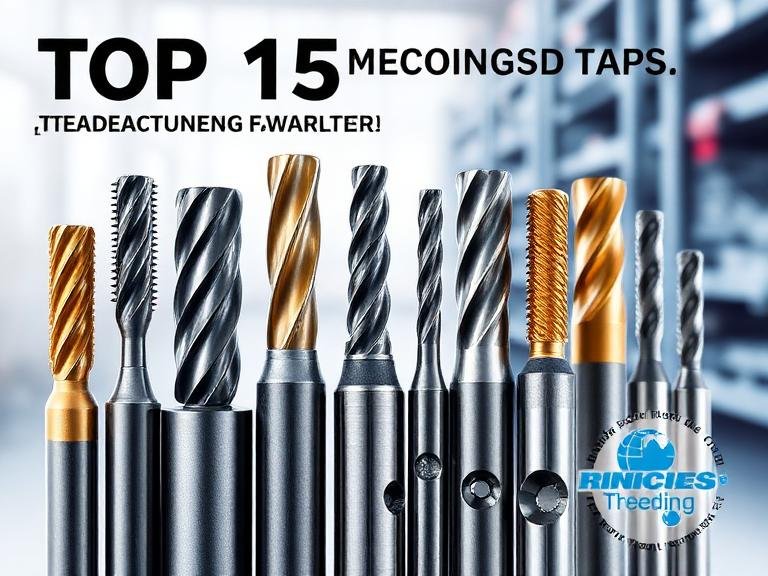
Quick Answer
For most industrial buyers, the best Best threading taps manufacturers are OSG, Sandvik Coromant, Seco Tools, Guhring, and YAMAWA. If you want value plus scale, YG-1 and Dormer Pramet belong near the shortlist. If you need tap-only specialization, custom support, or fast special-tool response, DC SWISS, Walter, and LMT Tools are worth a call. This ranking is built for buyers who care about hole type, material, standards, and downtime, not just brand prestige.
Direct answer: which manufacturers are actually worth your money?
In most professional situations, the right tap manufacturer is the one that reduces breakage, shortens selection time, and gives you enough material and application data to make a confident call. Sandvik’s tap guidance shows how seriously the best brands treat hole type and workpiece material, while YAMAWA’s catalog depth and tap calculator show what a true tap specialist looks like when the catalog is not a side product.
If your work is mostly ISO, DIN, or standard machine-thread production, OSG, Sandvik, Seco, and YAMAWA should be your first calls. If you machine mixed materials or care about tool life and coatings, Guhring, Kennametal, Walter, Mitsubishi Materials, and Tungaloy earn their place. If your shop buys by thread family and not just by diameter, specialist suppliers like MisolTap still matter because standards-specific taps are where many buying mistakes happen. The specialist is often the cheaper choice when the thread standard is the real constraint.
What it is: a manufacturer that designs, produces, and supports internal-threading taps and related threading tools.
How it works: the manufacturer matches tap style, material, coating, and coolant strategy to blind holes, through holes, or special thread standards.
Benefits: better tool life, less breakage, cleaner threads, faster setup, and lower downtime.
Limitations: even the best manufacturer cannot fix the wrong drill size, bad coolant, or a poor machining setup.
Who should use it: OEMs, contract machinists, maintenance teams, and distributors buying for real production.
Who does not need it: hobby users who only need one cheap tap and do not care about standards or repeatability.
Common mistakes: buying by diameter only, mixing blind-hole and through-hole tap styles, and ignoring thread standard differences.
Buying considerations: tap family coverage, standards support, technical data, local stock, coating options, and custom-tool lead time.
Expert recommendation: shortlist by job first, then by brand. A good tap family beats a famous logo every time.
Table of contents
- Quick Summary Table
- How I ranked the Best threading taps manufacturers
- Comparison Table
- The three questions that separate good taps from expensive scrap
- Pros vs Cons Table
- Buying Guide Table
- Who should use them
- Common mistakes
- Expert recommendation
- Bottom Line
- FAQs
- References
Quick Summary Table
| Buyer type | Best starting manufacturers | Why | Best use case |
|---|---|---|---|
| General production shop | OSG, Sandvik Coromant, Seco Tools | Broad coverage, strong tap families, and solid application guidance. | Daily threading across common materials and standards. |
| Tap-specialist buyer | YAMAWA, DC SWISS, MisolTap | Tap-first thinking instead of general tooling first. | When threading is a core process, not a side job. |
| Value and scale buyer | YG-1, Dormer Pramet, LMT Tools | Useful breadth with practical pricing and easy selection. | Volume work without paying premium-brand tax. |
| Precision and support buyer | Guhring, Walter, Kennametal | Strong technical content, premium tap families, and special-tool options. | Harder materials, tighter tolerances, and process reliability. |
| Integrated tooling buyer | ISCAR, Mitsubishi Materials, Tungaloy | Threading tied to broader machining platforms and calculators. | Shops that want threading inside a larger tooling ecosystem. |
How I ranked the Best threading taps manufacturers
My ranking is not a market-share league table. It is a buyer’s ranking. I weighted five things: tap-family depth, standards coverage, material guidance, special-tool response, and how easy the manufacturer makes the buying decision. Sandvik’s selection pages and Seco’s broad product family are good examples of the kind of support serious buyers should expect, while YAMAWA’s catalog depth shows what a true tap specialist looks like.
In other words, I care less about who shouts the loudest and more about who helps a machinist choose the right tool before the first chip is cut. That is where the real savings live.
Comparison Table: the 15 best threading taps manufacturers in the world
| Rank | Manufacturer | Why they made the list | Best fit |
|---|---|---|---|
| 1 | OSG | OSG positions itself as a dedicated tap specialist and says it is the world’s No.1 tap market shareholder. That combination of identity and depth is hard to ignore. | Best all-around default for broad industrial threading. |
| 2 | Sandvik Coromant | Sandvik’s tapping guidance is among the clearest in the market, and it explicitly separates straight flute, spiral point, spiral fuse, and forming taps by material and hole type. | Best for buyers who want technical clarity before they buy. |
| 3 | Seco Tools | Seco says its threading taps range covers more than 300 products across ISO P, M, N, and K materials, with multiple tap forms and coatings. That is real breadth. | Best for mixed-material production and broad coverage. |
| 4 | Guhring | Guhring’s tap pages show cut taps, form taps, ANSI and DIN coverage, and strong technical support content. That makes it a serious precision option. | Best for precision shops that care about tool life. |
| 5 | Kennametal | Kennametal offers HSS and carbide taps, including straight flute, spiral flute, spiral point, and forming styles, which gives buyers a practical range. | Best for mixed HSS/carbide tapping decisions. |
| 6 | Walter Tools | Walter’s Thread·tec Supreme taps and Xpress delivery model make it a strong premium choice when you need speed, reliability, and special-tool flexibility. | Best for premium shops that need fast special-tool response. |
| 7 | YAMAWA | YAMAWA says it has more than 11,000 items and offers a tap calculator/app, which is exactly what a tap-first supplier should do. | Best tap-only specialist for standardized production. |
| 8 | YG-1 | YG-1 shows depth through Prime Tap, Synchro Tap, HSS-PM, standard, hand, and forming tap lines, backed by strong threading pages. | Best value/performance option for volume shops. |
| 9 | DC SWISS | DC SWISS clearly separates thread cutting and thread forming, and it offers custom request pathways for threading tools. | Best for forming-tap buyers and custom support. |
| 10 | Dormer Pramet | Dormer Pramet’s material-specific taps and Shark-Line products are built around practical performance, not marketing fluff. | Best for economical industrial tapping with guidance. |
| 11 | Mitsubishi Materials | Mitsubishi Materials offers threading tools, calculation formulas, product guides, and ISO data support, which makes it strong where process integration matters. | Best for shops that want threading inside a larger machining system. |
| 12 | Tungaloy | Tungaloy’s TungTap line emphasizes high-performance HSS taps, coatings, and material coverage, which is a sensible route for demanding work. | Best for high-speed HSS tap applications and material variety. |
| 13 | ISCAR | ISCAR’s threading ecosystem spans taps, thread milling, and thread turning, which is ideal when threading is part of a bigger tooling strategy. | Best for integrated shops that mix threading methods. |
| 14 | NACHI-FUJIKOSHI | NACHI’s cutting-tool catalog explicitly includes cut thread taps and thread forming taps, backed by a long industrial track record. | Best for buyers who prefer conservative Japanese manufacturing depth. |
| 15 | LMT Tools | LMT Tools’ EASYTap is positioned as a universal tap for blind and through holes with reliable chip removal and strong cost-effectiveness. | Best for buyers who want a practical universal tap family. |
If you only want a five-brand shortlist, call OSG, Sandvik Coromant, Seco, YAMAWA, and Guhring first. That mix gives you broad catalog depth, clean selection logic, and enough tap-specialist support to cover most production work. For shops that want a broader ecosystem, Walter, Kennametal, Mitsubishi Materials, and Tungaloy are strong follow-up calls.
The three questions that separate good taps from expensive scrap
1. Is the hole blind or through?
This is the first filter. Straight flute, spiral point, spiral flute, and forming taps do not behave the same way. Sandvik lays this out clearly, and it is exactly why you should start with types of thread taps before you buy anything else. If you ignore hole type, you usually buy the wrong tap.
2. Is the thread standard ordinary, pipe, ACME, or tapered?
Standard-heavy work is where specialists earn their keep. If your line is built around DIN 371 thread tap supplier or ISO 529 thread tap supplier pages, you already know that standards matter more than brand slogans. If you are comparing acme thread vs normal thread or tapered vs straight thread, make the geometry decision before the manufacturer decision. For pipe work, use the 1/4 NPT thread tap guide, the pipe thread tap size chart, and the 3/8 pipe thread tap size before you let a sales rep steer the order.
3. Is the drilling and cutting setup actually correct?
Bad drill size and bad speed will make even a premium tap look bad. Sandvik’s operation tips explicitly tell buyers to choose the correct drill, secure the part, and use the correct cutting speed; if you are still guessing on setup, read drilling speed for metal before you upgrade the tap brand. In practice, many tap failures begin at the drilling stage, not the tapping stage.
Pros vs Cons Table
Pros of buying from top-tier manufacturers
- Better selection support for hole type and material.
- Broader coverage of tap families, thread standards, and coatings.
- Lower risk of breakage when the tap matches the job.
- More technical data, calculators, and troubleshooting help.
- Better chance of finding a special tool quickly.
Cons of buying from top-tier manufacturers
- Higher price than generic taps.
- Catalogs can be overwhelming if you do not know the tap style.
- Special-order lead times can still be annoying.
- A famous brand does not rescue bad drilling or poor coolant.
- Some buyers pay for brand prestige when a specialist tap would work better.
Buying Guide Table: which manufacturer type fits which job?
| Your job | Tap family to favor | Manufacturer type to shortlist | Upgrade recommendation |
|---|---|---|---|
| Blind holes in steel or stainless | Spiral flute or carefully selected forming tap | Sandvik, Kennametal, Walter, YG-1 | Upgrade from generic taps to a brand with real chip-control guidance. |
| Through holes in short-chipping material | Straight flute or spiral point | Sandvik, Seco, Guhring, Dormer Pramet | Use a manufacturer that publishes material-specific tap guidance. |
| Pipe thread work | Pipe tap / NPT / BSP family | MisolTap, YAMAWA, OSG, DC SWISS | Do not buy a generic machine tap and hope it fits. Start with the size chart and thread standard first. |
| ACME or special profile work | Special profile tap matched to the drawing | MisolTap, Mitsubishi Materials, Walter, DC SWISS | Compare the thread form before you compare brands. |
| Standard DIN/ISO production lines | DIN/ISO taps with predictable availability | OSG, Seco, YAMAWA, Dormer Pramet | Buy from a supplier that treats standards as the product, not the footnote. |
| High-volume or mixed-material production | Forming taps, coated taps, or PM/HSS variants | YG-1, Tungaloy, Kennametal, LMT Tools | Upgrade only when your material, coolant, and hole design are already stable. |
For buyers who still think all threads are interchangeable, the safest next step is to read the technical differences between types of thread taps, acme thread vs normal thread, and tapered vs straight thread. Those decisions usually matter more than the logo on the box.
Who should use these manufacturers, and who does not need them
Use them if threading is part of real production, not occasional hobby work. OEMs, contract shops, maintenance departments, tooling distributors, aerospace suppliers, and pipe-thread or special-profile buyers all benefit from manufacturers that provide proper tap families, standards support, and technical data. That is where the Best threading taps manufacturers earn their price.
Do not overbuy if the job is tiny, once-off, or non-critical. A premium tap manufacturer is wasted if the buyer only needs one tool and will never repeat the process. For beginners, the first upgrade should be tap selection knowledge, not brand loyalty. For commercial users, the upgrade should be catalog depth and service. For heavy-duty applications, the upgrade should be the whole system: tap, drill, coolant, and process control.
Common mistakes buyers make
- Choosing by diameter only instead of thread family and hole type.
- Mixing up blind-hole and through-hole tap styles. Sandvik’s tap guidance exists for a reason.
- Ignoring pipe-thread differences and guessing on NPT or BSP sizing.
- Buying ACME taps for normal threads, or normal taps for ACME work. acme thread vs normal thread
- Using tapered and straight thread interchangeably. tapered vs straight thread
- Skipping drill-size and speed checks, then blaming the tap. drilling speed for metal
- Thinking a premium brand can fix a bad setup.
From our experience, the most expensive mistake is not the tap price. It is the time lost when the wrong tap style is used on the wrong hole type and then replaced three more times.
Expert recommendation
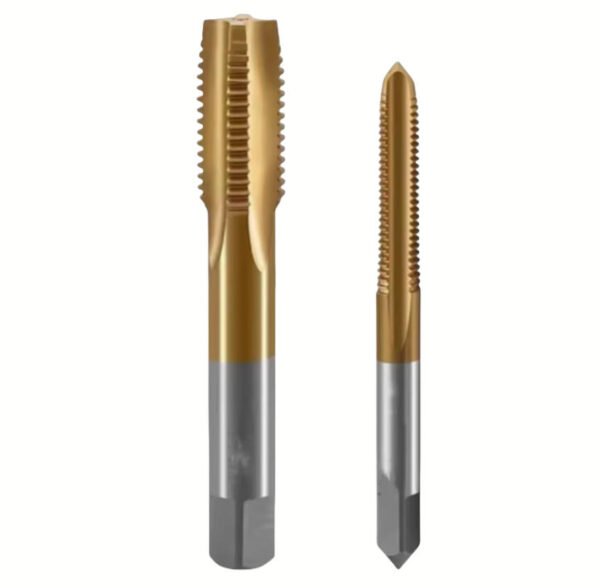
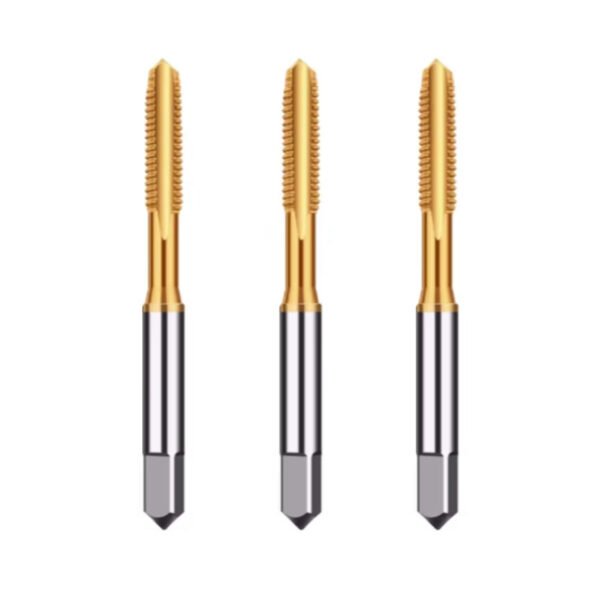
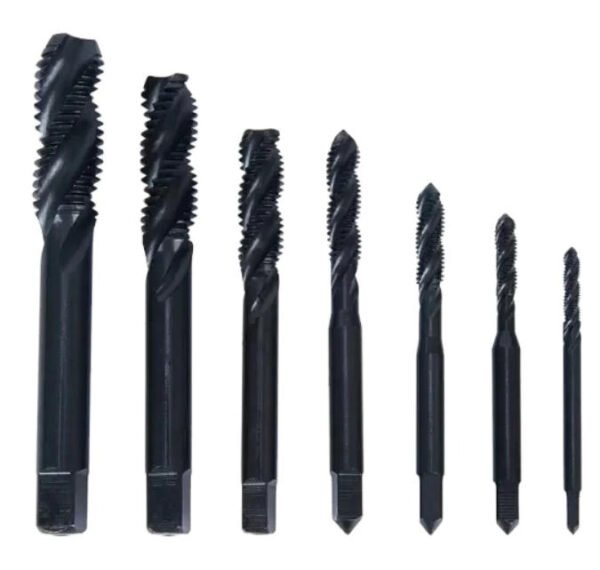
If I were buying taps for a new production line tomorrow, I would shortlist OSG, Sandvik Coromant, Seco, YAMAWA, and Guhring first. That gives me tap depth, standards support, and enough technical help to make a sensible choice. If I needed premium special-tool response, Walter and DC SWISS would be next. If I needed value across a broad shop floor, YG-1, Dormer Pramet, Mitsubishi Materials, Tungaloy, ISCAR, NACHI-FUJIKOSHI, and LMT Tools would all be worth pricing.
For standards-heavy work, specialist suppliers like MisolTap belong in the conversation because DIN 371, ISO 529, NPT, ACME, and pipe-thread buyers need tap-specific guidance instead of generic tooling talk. That is the difference between a supplier and a solution partner.
Bottom Line
The best threading taps manufacturers are the ones that help you match the right tap to the right hole, material, and standard. OSG, Sandvik, Seco, Guhring, and YAMAWA are my strongest general calls. Walter, DC SWISS, and LMT Tools are excellent when special response or tap specialization matters. YG-1, Dormer Pramet, Mitsubishi Materials, Tungaloy, ISCAR, NACHI-FUJIKOSHI, and Kennametal all deserve a hard look depending on your material mix and budget.
Do not buy a tap before you know the thread form. Do not buy by diameter only. And do not pay premium money for a logo if a specialist tap supplier will do the job better. That is the commercial answer.
FAQs
Which manufacturer is best for general production?
OSG, Sandvik Coromant, and Seco Tools are the safest general-production calls because they combine breadth, technical support, and strong tap families.
Which manufacturer is best for tap-only specialization?
YAMAWA and DC SWISS are the strongest tap-first options on this list, with MisolTap also relevant for standards-specific work.
Are forming taps better than cutting taps?
Not automatically. Forming taps are excellent in the right material and setup, but they are not universal. The right choice depends on hole type, material, and process stability.
What is the biggest mistake buyers make?
They buy by diameter only and ignore hole type, thread standard, drill size, and speed. Sandvik’s selection guide exists because those variables decide whether the tap lives or breaks.
Do I need a specialist for pipe threads or ACME threads?
Yes, if the work is regular. Pipe threads and ACME profiles should be treated as standard-specific jobs, not generic machine-tap jobs. See the internal guides on 1/4 NPT thread tap guide, pipe thread tap size chart, and 3/8 pipe thread tap size.
Should I upgrade the manufacturer or the process first?
Upgrade the process first. If the drill size, coolant, and speed are wrong, even a premium manufacturer will disappoint. After the process is stable, the manufacturer upgrade becomes much easier to justify.