
In modern machining and mechanical assembly, few topics generate as much unwarranted debate as thread selection. Many novice engineers and amateur machinists operate under the false assumption that a fine thread is universally superior simply because the word “fine” implies precision. From our experience, this fundamental misunderstanding leads to stripped housings, galled fasteners, and catastrophic mechanical failures in the field.
Since our founding in 2005, MisolTap has established itself as a leading Chinese manufacturer of high-performance thread cutting tools. We integrate R&D, production, and global sales into a seamless operation, providing our clients with robust and precise threading solutions tailored to modern manufacturing needs. We machine millions of threads annually, and we can state unequivocally: knowing how to choose the correct pitch for coarse and fine threads is a mandatory skill for any serious fabricator. It requires commercial and practical judgment, weighing material density against vibrational forces.
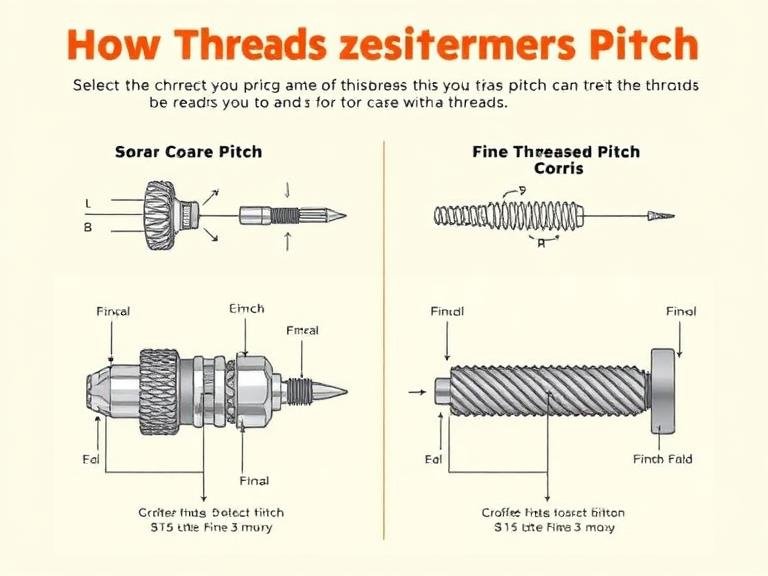
Quick Answer: Coarse vs. Fine Threads
To successfully choose the correct pitch for coarse and fine threads, evaluate your base material and operating environment. Use coarse threads (UNC/Standard Metric) for brittle or soft materials (like cast iron, aluminum, and plastics) because they offer a larger shear area that prevents internal stripping. Coarse threads also assemble faster and resist cross-threading. Use fine threads (UNF/Fine Metric) only for high-tensile strength materials (like hardened steel), thin-walled components, or environments with extreme vibration where the shallower helix angle prevents self-loosening.
Table of Contents
- What It Is: Thread Pitch Defined
- How It Works: The Mechanics of Pitch
- Benefits of Coarse and Fine Threads
- Limitations and Mechanical Drawbacks
- Who Should Use Which Pitch
- Common Machining Mistakes
- Buying Considerations for Thread Taps
- Expert Recommendation from MisolTap
- Summary and Comparison Tables
- The Bottom Line
- Frequently Asked Questions
What It Is: Thread Pitch Defined
Thread pitch dictates the physical distance between the crests of adjacent threads. In the metric system, pitch is measured directly in millimeters (e.g., M8 x 1.25 means the distance between threads is 1.25mm). In the Imperial system (Unified Thread Standard), pitch is expressed as Threads Per Inch, or TPI (e.g., 1/4-20 indicates 20 threads per inch).
When you choose the correct pitch for coarse and fine threads, you are selecting between two distinct geometries. Coarse threads have fewer threads per inch and deeper flanks. Fine threads have more threads per inch, shallower flanks, and a larger minor diameter (the solid core of the fastener). This geometric difference fundamentally alters how the fastener interacts with the tapped hole, dictating tensile strength, shear strength, and friction.
How It Works: The Mechanics of Pitch
The performance of a thread is governed by the physics of the inclined plane. A thread is essentially an inclined plane wrapped around a cylinder. When you torque a bolt, you are pulling the inclined planes against each other, creating clamping force.
Coarse threads feature a steep helix angle. This means for every 360-degree rotation, the fastener travels further into the material. Because the threads are cut deeper, the internal thread (the tapped hole) has more material engaged in the shear plane. If you need to understand the practical mechanics of cutting these deeper profiles, knowing how to tap threads in metal is crucial, as coarse threads require more torque to cut.
Conversely, fine threads have a much shallower helix angle. This shallow angle acts as a mechanical lock. Under severe vibration, a fine thread requires far more energy to back out, acting as a natural anti-loosening mechanism. Furthermore, because the threads are not cut as deep, the solid core (minor diameter) of a fine-threaded bolt is thicker, giving it a higher tensile strength than a coarse bolt of the exact same outer diameter.
Benefits of Coarse and Fine Threads
The Case for Coarse Threads
In most professional situations, coarse threads are the default choice for general engineering, and for good reason. Their primary benefit is superior resistance to internal stripping. When tapping into weaker materials like aluminum, brass, or mild steel, the deep thread flanks of a coarse pitch engage more of the parent material. Coarse threads are also highly resistant to cross-threading during assembly and allow for rapid installation. Additionally, they tolerate dirt, debris, and protective coatings (like galvanization) much better than fine threads.
The Case for Fine Threads
Fine threads excel in highly specialized, heavy-duty applications. Because the minor diameter of the bolt is larger, a fine-threaded fastener possesses roughly 10% higher tensile strength and yield strength than its coarse counterpart. The shallow pitch allows for extremely precise adjustments—making them mandatory in fluid valves and calibration instruments. Finally, the shallow helix angle provides superior resistance to vibrational loosening, making them the standard in aerospace and high-performance automotive assemblies.
Limitations and Mechanical Drawbacks
Do not let the higher tensile strength of fine threads fool you into using them everywhere. Fine threads are notoriously susceptible to galling (cold welding), particularly in stainless steel, aluminum, and titanium. Because the threads are close together, friction generates rapid heat, causing the fastener to seize permanently in the tapped hole. If this happens, you will find yourself relying heavily on rethreading taps and dies to salvage expensive components.
Coarse threads, while robust against stripping the internal hole, are slightly weaker in overall tensile strength. They also require more physical torque during the tapping process, which can lead to tap breakage if chip evacuation is poor.
Who Should Use Which Pitch
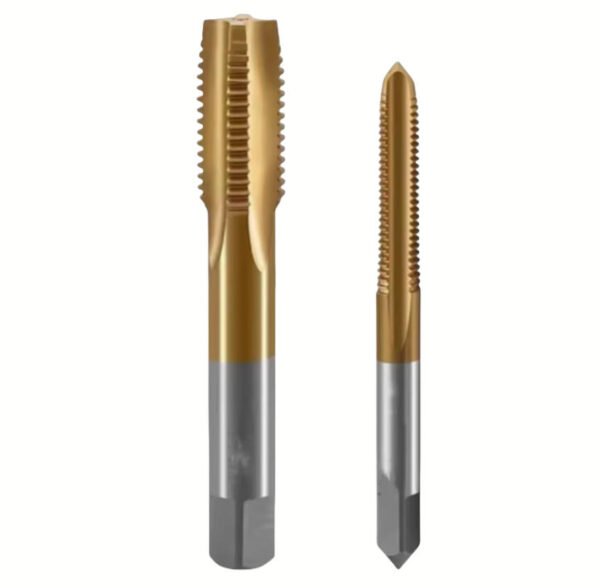
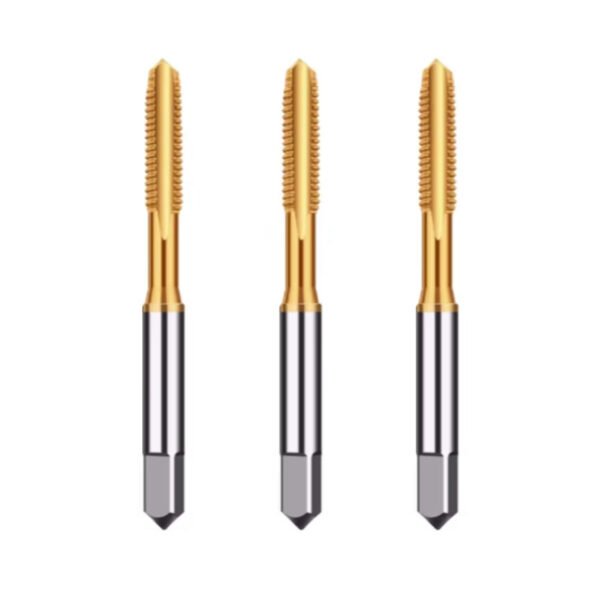
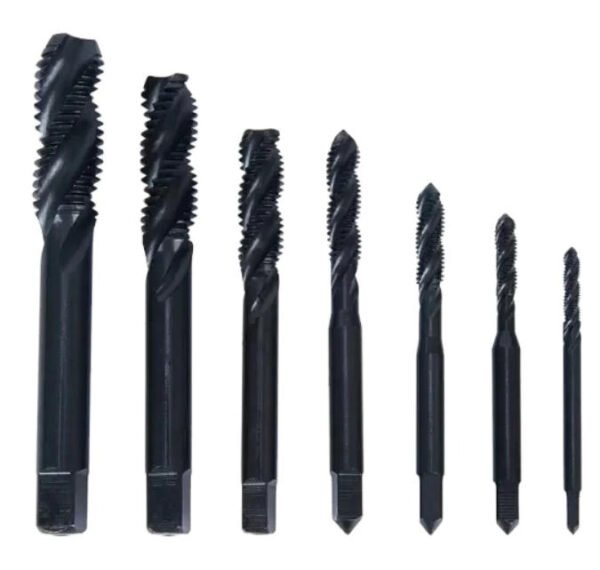
For beginners and general fabricators: Always default to coarse threads. If you are building workshop furniture, standard machinery, or tapping mild steel, coarse threads will save you time, tap breakages, and assembly headaches.
For commercial users in aerospace and automotive: Fine threads are necessary. High-vibration environments demand the self-locking geometry of a fine pitch. Furthermore, if you are tapping into thin-walled tubing, coarse threads will not provide enough engaged threads (you need at least 3 full threads of engagement for structural integrity). In thin materials, fine threads are your only option. To ensure you have the correct specifications for structural projects, always consult a 1/2 thread tap size chart before machining.
Common Machining Mistakes
The most catastrophic mistake we see is engineers specifying fine threads in soft aluminum without the use of a helical insert (Heli-Coil). The fine internal threads simply do not possess enough shear strength in soft metals and will strip out instantly under load.
Another frequent error is utilizing the wrong pre-drill size. Fine threads require a highly precise hole diameter because the thread depth is so shallow. A drill bit that drills even slightly oversize will result in a completely hollow thread. We strongly advise cross-referencing a professional tap and drill size chart before turning on your spindle.
Finally, users often utilize standard hand taps in CNC environments. If you want to know how to choose the correct pitch for coarse and fine threads in a production environment, you must also choose the correct tool, understanding the machine tap vs hand tap dynamic for proper chip evacuation.
Buying Considerations for Thread Taps
When purchasing tooling for your selected pitch, practical judgment is required. Fine threads generate smaller chips but require exact concentricity. Coarse threads generate massive chips that must be evacuated efficiently.
Material selection is paramount. For high-volume production, high-speed steel (HSS) with cobalt and TiN coatings is strictly recommended. You can review the best material for thread taps to match your base material. Furthermore, understand the geometry you are buying. Using a taper tap in a shallow blind hole will result in incomplete threads at the bottom; you must understand the distinction of a plug tap vs thread tap to finish the hole correctly.
Expert Recommendation from MisolTap

In our testing at MisolTap, we observe a constant over-engineering trend where designers specify UNF (fine) threads assuming higher quality. Stop doing this. Unless you are bolting together a high-revving engine block, dealing with extreme vibration, or tapping sheet metal, coarse threads are vastly superior for manufacturing efficiency and long-term durability in standard materials. Coarse threads suffer less from galling, cross-threading, and contamination.
If you encounter unique mechanical setups, such as rotating shafts where rotational torque might unscrew a standard fastener, you must step outside standard pitches entirely and look into reverse thread taps or a dedicated left hand thread tap set to prevent catastrophic loosening.
Summary and Comparison Tables
| Base Material Type | Vibration Level | Recommended Pitch | Primary Reason |
|---|---|---|---|
| Aluminum / Cast Iron / Plastics | Low to Moderate | Coarse | Requires deep flanks to prevent stripping the internal thread. |
| Hardened Steel / Titanium | High | Fine | Higher tensile strength and vibrational self-locking. |
| Thin-Walled Tubing / Sheet Metal | Any | Fine | Requires shallow pitch to achieve minimum 3-thread engagement. |
| Mild Steel (General Construction) | Low | Coarse | Fast assembly, forgiving to dirt and minor cross-threading. |
| Thread Type | Pros | Cons |
|---|---|---|
| Coarse (UNC / Standard Metric) | Resists internal stripping in weak materials. Less susceptible to cross-threading. Faster assembly and disassembly. Tolerates dirt and thick platings. | Lower overall bolt tensile strength. Prone to loosening under severe vibration. Less precise for fine mechanical adjustments. |
| Fine (UNF / Fine Metric) | Higher tensile and yield strength. Excellent resistance to vibrational loosening. Ideal for tapping thin materials. Allows precise tension adjustments. | Strips easily in soft materials like aluminum. Highly susceptible to galling (cold welding). Easily cross-threaded if not aligned perfectly. |
| Application | Recommended Tap Type | Machining Advice |
|---|---|---|
| Through-Holes (Coarse Pitch) | Spiral Point (Gun Tap) | Pushes large chips forward ahead of the cut; ideal for machine tapping. |
| Blind Holes (Fine Pitch) | Spiral Flute Tap | Pulls fine chips upward and out of the hole to prevent tap bottoming and breakage. |
| Hand Tapping (General Repair) | Straight Flute Hand Tap Set | Use taper, plug, and bottoming taps sequentially. Ensure you know how to use a thread tap properly with tapping fluid. |
The Bottom Line
To choose the correct pitch for coarse and fine threads, you must stop treating fasteners as an afterthought. Commercial success in manufacturing requires specifying coarse threads for soft materials and rapid assembly, reserving fine threads strictly for high-strength steel, high-vibration applications, and thin-wall engagement. Misapplying fine threads to soft alloys guarantees failure. Standardize on coarse pitch wherever mechanically permissible, invest in high-quality HSS cobalt tooling, and strictly adhere to pre-drill charts to ensure thread integrity.
Frequently Asked Questions
Are fine threads stronger than coarse threads?
In terms of tensile strength (pulling the bolt apart), fine threads are stronger because they have a larger minor diameter (a thicker solid core). However, in terms of stripping strength (pulling the threads out of the tapped hole), coarse threads are stronger in soft materials due to their deeper flank engagement.
Why do fine threads resist vibration better?
Fine threads feature a shallower helix angle compared to coarse threads. This shallow angle acts as a mechanical wedge with a lower inclined plane, requiring significantly more kinetic energy (vibration) to overcome the static friction and back the fastener out.
Can I tap a fine thread into aluminum?
It is highly discouraged for structural applications. Because aluminum has low shear strength and fine threads have shallow engagement, the internal threads will strip easily under torque. If a fine thread is required in aluminum, you must install a steel threaded insert (like a Heli-Coil) first.
Authoritative References
- ASME (American Society of Mechanical Engineers) Standard B1.1 – Unified Inch Screw Threads (UN and UNR Thread Form). Guidelines on tensile stress area calculations and pitch selection. ASME Standards
- ISO (International Organization for Standardization) Standard 68-1 – ISO general purpose screw threads — Basic profile — Part 1: Metric screw threads. ISO Standards
- NIST (National Institute of Standards and Technology) – Handbook H28, Screw-Thread Standards for Federal Services. Documentation on thread galling, shear strength, and thread engagement depths. NIST Publications