
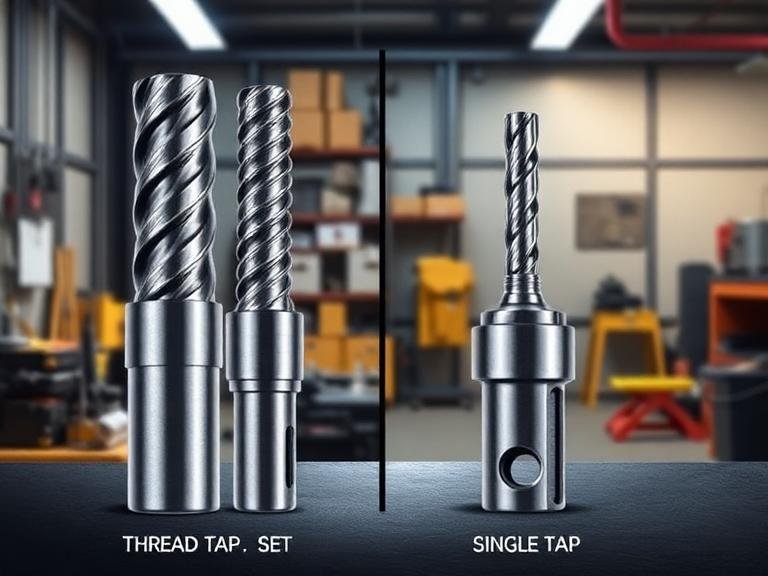
If you are comparing thread tap set vs. single tap, the right answer depends on how your business actually makes money. From our experience, most commercial buyers should start with a thread tap set because it reduces setup friction, covers more thread sizes, and protects the shop from small-order unpredictability. A single tap is only the better choice when you machine one thread size all day, the application is highly repetitive, or you already know the exact cutting condition you need.
MisolTap has been building threading tools since 2005, and that matters because tap selection is not a theory exercise. It is a production decision. A tap that saves five seconds per hole in a controlled shop can be worth more than a cheaper tap that only looks good on paper. If your business depends on predictable threading, the question is not which tool sounds more professional. The question is which option protects output, quality, and margin.
Quick Answer
The better business choice is usually a thread tap set if you handle mixed jobs, prototypes, maintenance work, or small-batch production. A single tap is better only when your operation is focused on one thread form, one material range, or one repetitive production line. For beginners and general shops, sets are safer. For commercial users with stable repeat work, single taps can be more efficient. For heavy-duty applications, the deciding factor is tap style, thread standard, and tool life rather than whether the purchase is a set or a single item.
Table of Contents
- Direct answer: which one should your business buy?
- What a thread tap set and a single tap are
- How each option works in real production
- Quick summary table
- Comparison table
- Benefits and limitations
- Who should use each option
- Pros vs cons table
- Buying considerations
- Common mistakes buyers make
- Expert recommendation
- Bottom line
- FAQs
- References
Direct Answer: Which One Should Your Business Buy?
For most businesses, a thread tap set is the smarter purchase. It gives you flexibility across different hole sizes, thread standards, and job types, which is exactly what most shops need. A single tap sounds more focused, but that focus only pays off when the work is highly repetitive and the process is already locked down.
In most professional situations, a set reduces downtime. The operator does not have to stop work because the one needed tap is missing or worn out. That is a real business advantage. If your team handles multiple materials, thread forms, or customer specifications, a set is usually the safer and more profitable buy. If you want to learn the basics of tap families first, our guide to types of thread taps is the right starting point. If your work involves pipe threads, the pipe thread tap size chart and 3/8 pipe thread tap size pages are more useful than guessing.
What a Thread Tap Set and a Single Tap Are
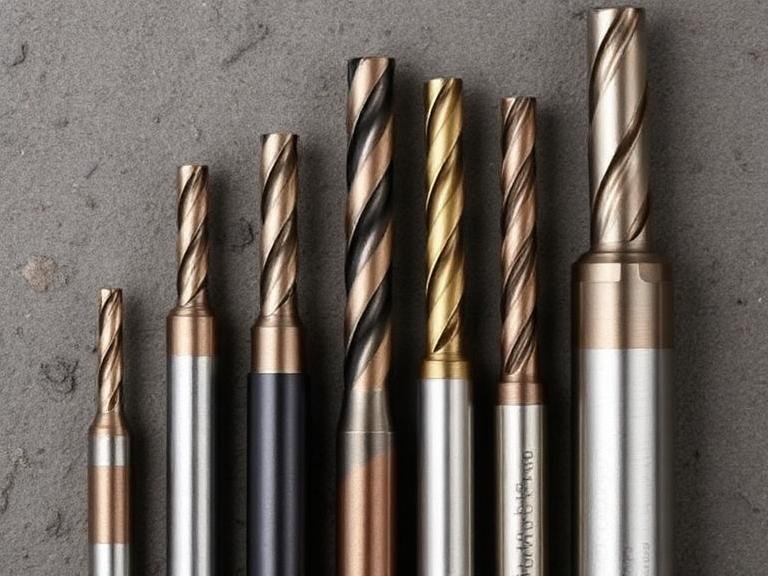
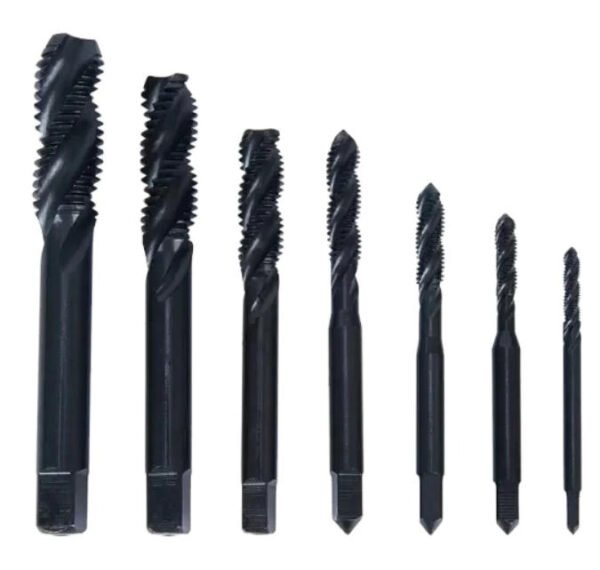
A thread tap set is a grouped assortment of taps. Depending on the supplier and application, it may include taper taps, plug taps, and bottom taps, or a mix of metric and pipe-thread sizes. A single tap is one specific cutting tool made for one thread size and one thread standard. That means less variety, but also less flexibility.
The practical difference is simple. A set is built for coverage. A single tap is built for a specific job. If your shop handles different fasteners, customer prints, and repair work, a set usually fits better. If your operation is built around one product family or one standardized joint, a single tap can be enough. To see how thread forms affect the choice, review tapered vs straight thread and acme thread vs normal thread.
How Each Option Works in Real Production
A tap cuts internal threads by removing material from a predrilled hole. The predrill size matters, the cutting speed matters, the material matters, and the chip evacuation method matters. None of that changes just because you buy a set instead of one tap. What changes is workflow. A set lets the operator move between sizes and jobs without waiting for procurement. A single tap makes sense only when the line is stable enough that one tool is used repeatedly and the business benefits from that predictability.
From our experience, the biggest hidden cost in tapping is not the tap itself. It is interruption. If production stops because the wrong size is missing, or the only tap is dull, the real cost is labor and missed delivery. That is why a set can be the better business investment even if the per-tool price is a little higher. For the drilling side of the process, our machining guide on drilling speed for metal pairs well with tap selection because drill quality directly affects thread quality.
Quick Summary Table
| Decision | Best For | Business Value | Practical Verdict |
|---|---|---|---|
| Thread tap set | Mixed jobs, maintenance work, small batch production, job shops | High flexibility and fewer downtime issues | Best choice for most businesses |
| Single tap | Dedicated production lines, repetitive specs, controlled operations | Focused inventory and simpler purchasing | Best only when the job is stable |
| Heavy-duty tap kit | Tough materials and frequent use | Better durability and less tool loss | Worth it for demanding work |
| Special thread tap | Pipe threads, ACME, and nonstandard forms | Reduced mismatch risk | Buy to spec, not by habit |
Comparison Table
| Factor | Thread Tap Set | Single Tap | Which One Wins? |
|---|---|---|---|
| Size coverage | Broad | Narrow | Set |
| Inventory efficiency | Good when one set covers many jobs | Very good if only one size is needed | Depends on workload |
| Downtime protection | Stronger | Weaker if that one tap is missing or worn | Set |
| Purchase simplicity | One order, many options | Very simple for a known job | Single tap for narrow work |
| Cost control | Better when you need multiple sizes | Better when one size dominates production | Depends on usage pattern |
| Shop flexibility | Excellent | Limited | Set |
Benefits and Limitations
Benefits of a thread tap set
- Better for job shops and mixed production.
- Reduces the chance of missing the correct size.
- Supports more customer specifications with fewer delays.
- Usually better for beginners who are still learning tap selection.
Benefits of a single tap
- Focused inventory for repetitive production.
- Simpler purchasing when the thread spec never changes.
- Can be more efficient in high-volume dedicated work.
- Easy to standardize around one known process window.
The limitation of a set is that it can include sizes you rarely use, which ties up cash. The limitation of a single tap is the opposite: it is efficient until the moment your work changes. Then it becomes a bottleneck. That is why many commercial buyers eventually end up with a set for general use and a single-tap stock for the highest-volume thread size.
If your work includes pipe-thread production, the right tap choice also depends on thread type. A business that uses tapered pipe threads should not buy as if all thread forms are interchangeable. The right references are the 1/4 NPT thread tap guide and pipe thread tap size chart. For commercial buyers who need durable options, heavy duty tap and drill is the more practical buying direction than chasing the lowest-cost tool.
Who Should Use Each Option
Choose a thread tap set if your business does repair work, prototype work, custom fabrication, or any kind of multi-SKU production. This is the best choice for beginners because it keeps the shop from getting stuck on one missing tool. It is also the best choice for commercial users who need to respond to changing orders quickly.
Choose a single tap if you already know your exact thread size, your exact material range, and your exact production volume. In that case, a single tap can be the better tool economically because it avoids unnecessary inventory and keeps the process lean.
For heavy-duty applications, the decision should be driven by thread standard, tap style, and tool life. If your business needs reliable supply and consistent tooling quality, reviewing thread tap manufacturers before you buy is more important than choosing a set or a single item in isolation.
Pros vs Cons Table
| Thread Tap Set | Single Tap |
|---|---|
| Better coverage for mixed jobs | Better only when the job is repetitive |
| Lower risk of production stoppage | Lower inventory complexity |
| More forgiving for beginners | More efficient for dedicated production |
| Can hold unused sizes | Can become a bottleneck if the job changes |
Buying Considerations
Good tap buying starts with the thread form, not the packaging. A business that buys blindly by size often ends up with the wrong geometry. Before buying a set or a single tap, check the material you are cutting, the required thread form, the hole depth, and the drilling recommendation. Tapping aluminum is not the same as tapping stainless, and a pipe thread is not the same as a straight machine thread. If your work involves more than one thread family, the general tap overview at types of thread taps is worth keeping close.
| Buying Question | What Good Looks Like | What to Avoid |
|---|---|---|
| How many thread sizes do we actually use? | Enough coverage for daily work without excess clutter | Buying a set full of sizes you will never touch |
| Is our work repetitive or mixed? | Single tap for stable repetitive production, set for mixed work | Treating all production like a single-line factory |
| What material are we threading? | A tap style that matches the workpiece | Using one tap family for everything |
| Are we doing pipe thread or machine thread? | The correct standard and size chart | Mixing tapered and straight thread logic |
| How important is uptime? | Set if downtime is expensive, single if work is locked | Choosing only by unit price |
MisolTap’s position as a manufacturer is relevant here. Since 2005, the company has integrated R&D, production, and global sales into a single operation, which means the tap selection conversation should be about application fit, not just catalog variety. That is the right way to buy threading tools for a business that values output and consistency.
Common Mistakes Buyers Make
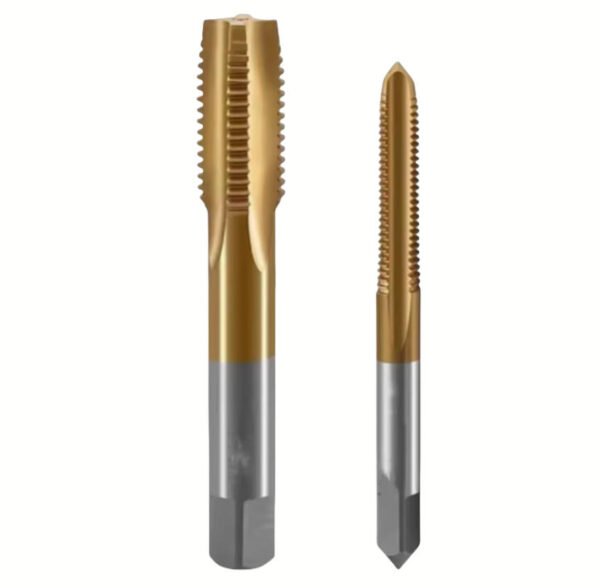
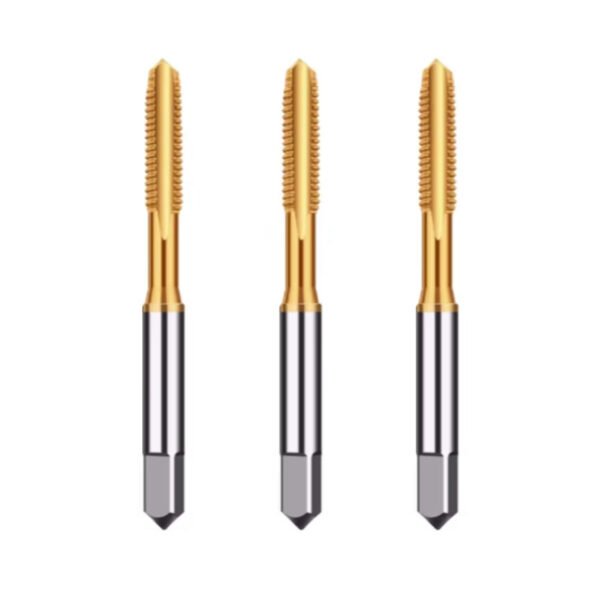
- Buying a set because it looks complete. A large set is not helpful if half the sizes never get used.
- Buying a single tap for a changing workload. That saves money only until the job mix changes.
- Ignoring thread form. A pipe thread tap is not the same decision as a machine thread tap.
- Overlooking predrill quality. A bad hole ruins even a good tap. That is why drilling discipline matters.
- Choosing the cheapest tool family. Tool life and finish quality often matter more than the initial purchase price.
From our experience, the most expensive tap is the one that causes rework. That is why commercial buyers should care about fit, not just unit cost. If your workflow involves special thread forms, start with the correct application guide instead of a generic bargain set.
Expert Recommendation
Here is the position we would take in a real shop. If your business handles mixed jobs, buy the thread tap set. If your business runs one repetitive process with one thread spec, buy the single tap and stock backup units. If your business does pipe-thread work, buy by standard and size, not by habit. That is the difference between a useful tool purchase and a shelf full of dead inventory.
For beginners, a set is the safer starting point. For commercial users, the best answer is often a hybrid: one primary single tap for the highest-volume thread plus a set for the rest of the shop. For heavy-duty applications, the better buying decision is whichever option gives you the right tap style, the right thread form, and the lowest risk of rework. That is exactly where a manufacturer like MisolTap should be judged: by whether the tool protects production, not by whether the product page looks complete.
Bottom Line
Thread tap set vs. single tap is not a brand question. It is an operating model question. If your work changes often, the set is better. If your work is stable and repetitive, the single tap can be better. Most businesses need flexibility first and optimization second, which is why the set usually wins at the start and the single tap wins only after the process is fully standardized.
FAQs
Is a thread tap set better for beginners?
Yes. Beginners usually need flexibility, and a set reduces the chance of stopping work because the wrong size is missing.
When is a single tap the better choice?
A single tap is better when the production environment is repetitive, the thread size is fixed, and the tool will be used constantly enough to justify focused inventory.
Should I buy a set and then later buy single taps?
That is often the smartest path. Start with the set to cover the shop, then add single taps for the highest-volume sizes once your workload is proven.
What matters more than set vs single?
Thread form, tap style, material compatibility, and drilling accuracy matter more. A tap that matches the wrong thread standard is still the wrong tool, even if you bought it in a set.
Where should I look for pipe thread guidance?
Use a dedicated pipe-thread reference such as the 1/4 NPT thread tap guide, pipe thread tap size chart, and 3/8 pipe thread tap size before ordering tooling.
References
These three references are the most relevant external sources for thread standards and machining context.